
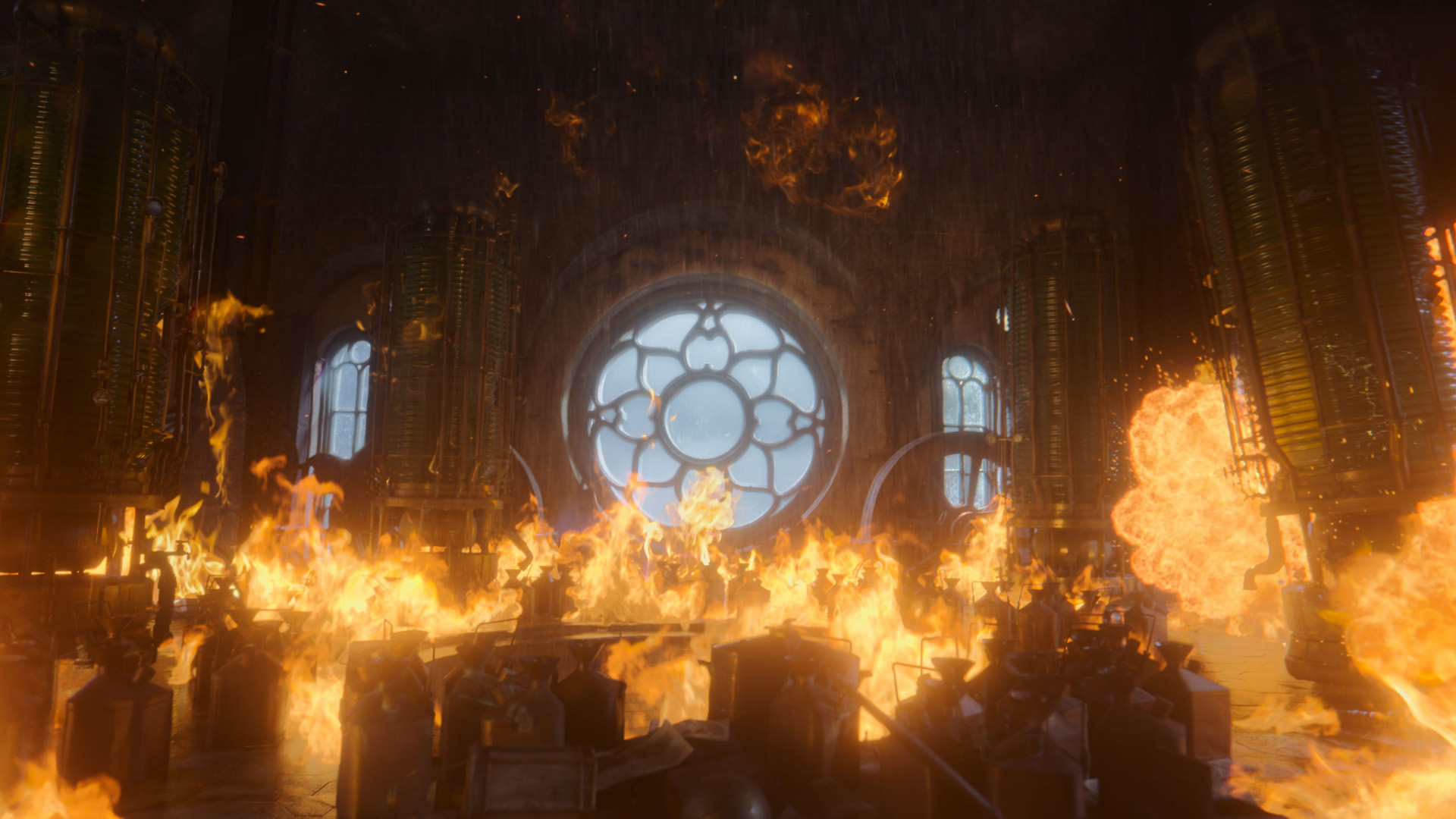
Visionary director Guillermo del Toro had been dreaming about making his own adaptation of Mary Shelley’s Frankenstein for more than three decades. Best known for projects like the 2006 film Pan’s Labyrinth and The Shape of Water in 2017, Frankenstein was, he said as early as 2007, a film he “would kill to make.” The film launched on Netflix on November 7th, and was…
Case Studies
The latest releases across Maya, 3ds Max, Flow Studio, and Arnold introduce new AI features and powerful updates across the toolset with a simple goal: make the path to great moments a little shorter. “We’re focused on making content creation easier, and AI is one way we can do that,” says Kamal Mistry, Senior Director of Product at Autodesk. “What matters…
Maya
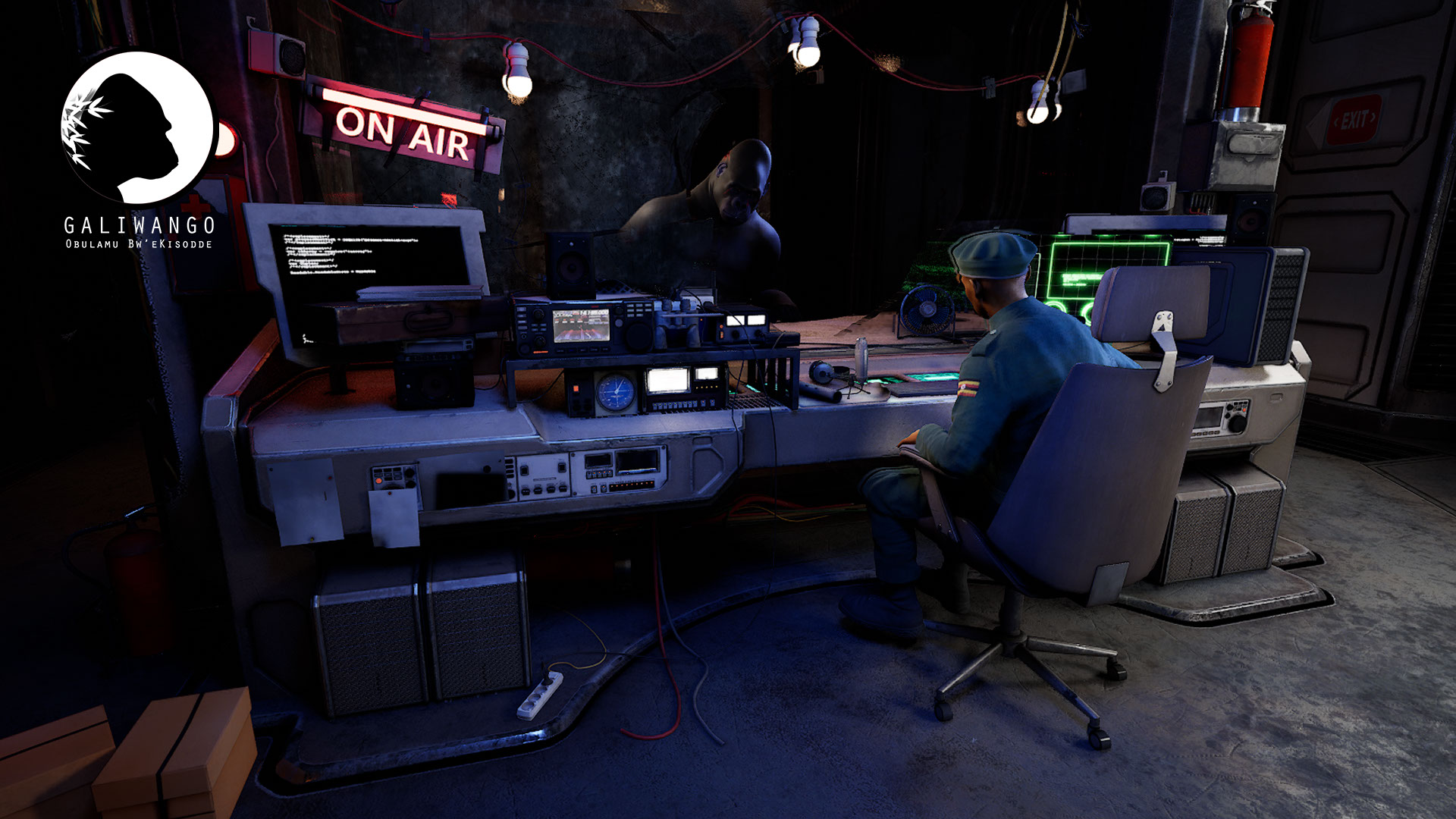
In 2009, after more than a decade building skills across 3D modeling, character animation, concept art, and motion capture, Solomon W. Jagwe reached a turning point. After graduating from college in the D.C. area, he had been working for defense contractors, creating specialized game content for the U.S. Department of Defense. The work was steady,…
Maya
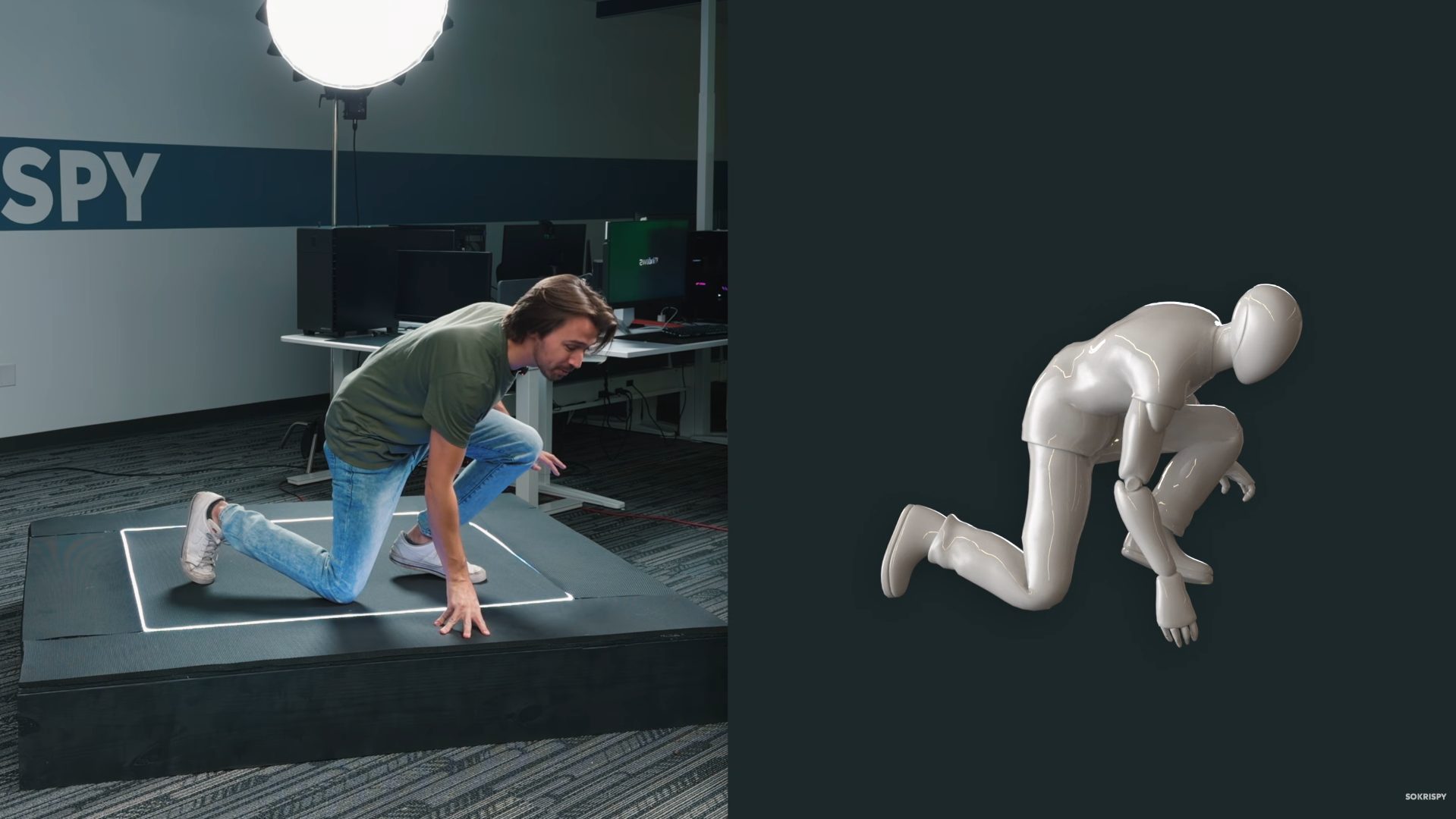
Known for defying expectations, MrBeast (a.k.a. Jimmy Donaldson) has built a career on pushing the boundaries of what content can be. Now the most popular YouTuber ever (471M subscribers and counting), he rose to global prominence through extreme challenges, high-ticket giveaways, and large-scale philanthropy. So, when Amazon Prime Video partnered with him to create Beast Games, the…
Visual Effects
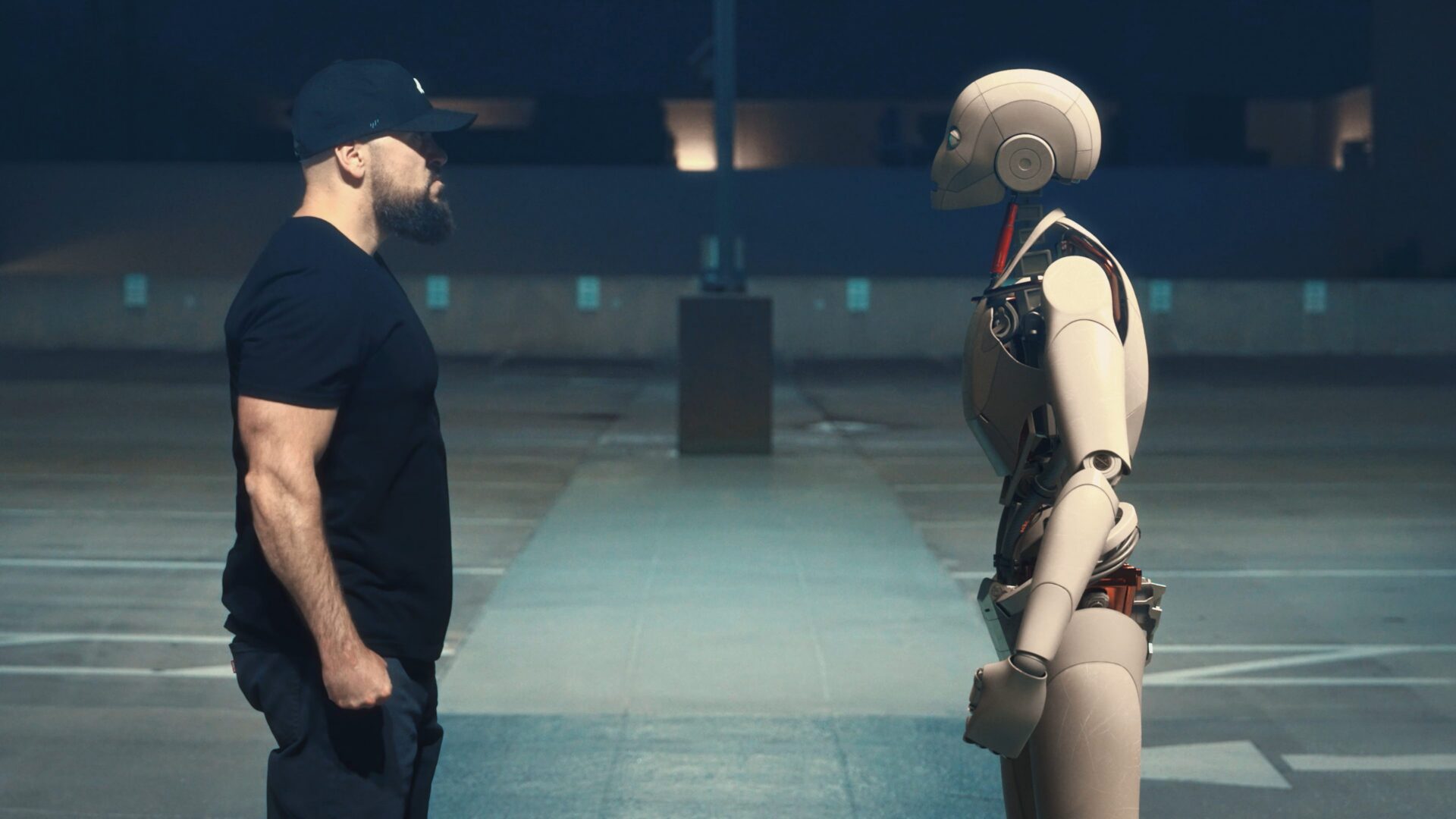
Learn how YouTube creator and 3D artist JL Mussi made a character-driven CG short film on a modest budget using controllable AI-powered 3D tools. What happens when you give Autodesk Flow Studio to a CG artist with big dreams and a wild imagination? In the case of JL Mussi, founder of 3D Beast Academy and…
Visual Effects
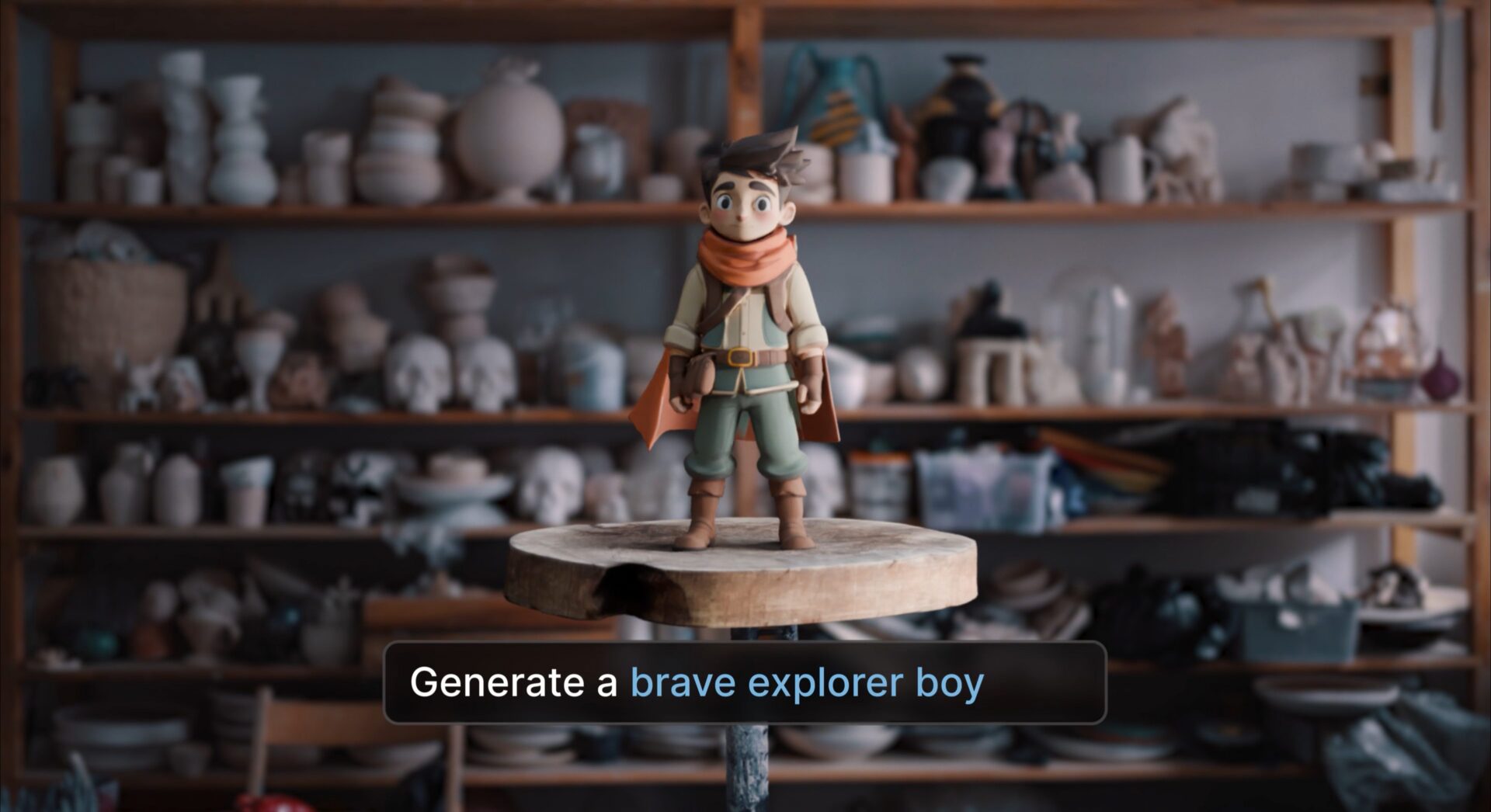
Introducing Wonder 3D, a new generative AI model in Autodesk Flow Studio – built to help you move from imagination to 3D faster than ever. You can now quickly generate 3D characters or objects—from a simple text prompt or a reference image. Then refine, remix, and reuse them across your projects. Plus, everything stays flexible,…
Flow Studio
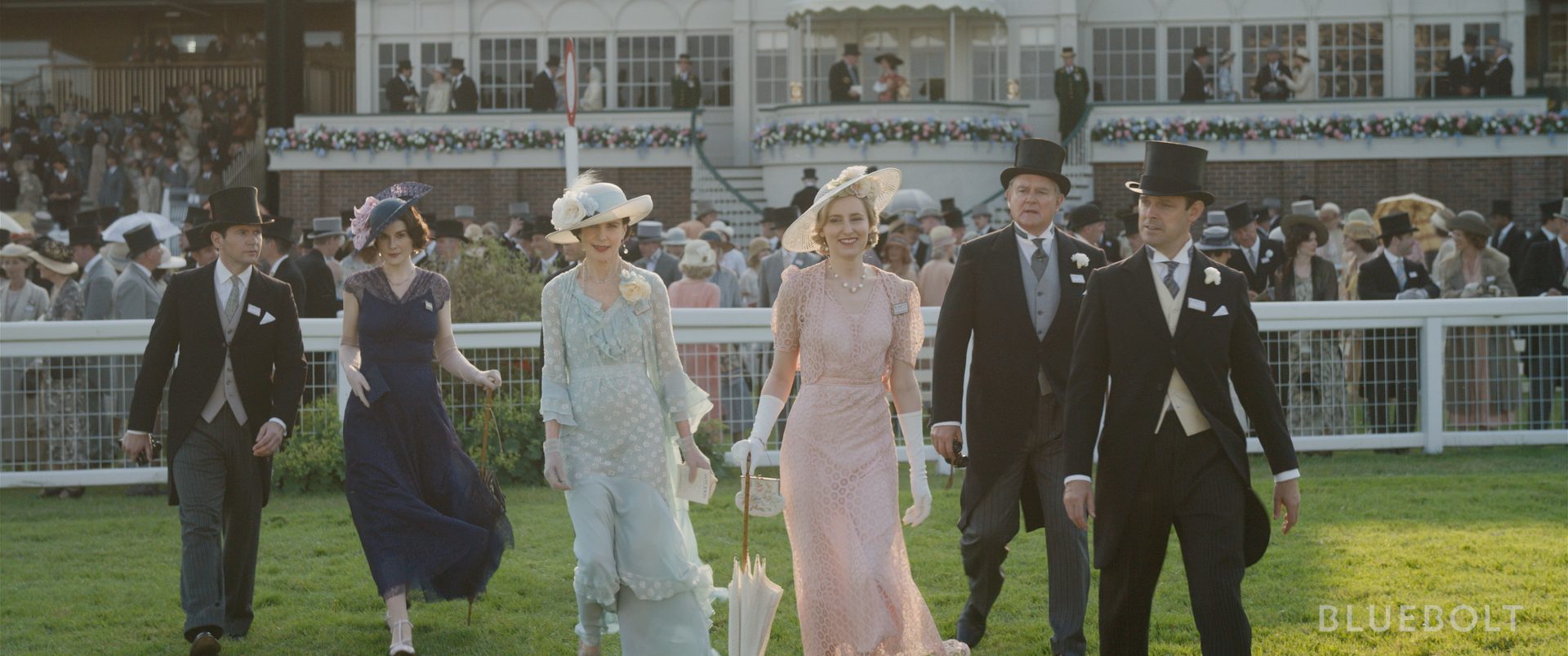
If you saw Downton Abbey: The Grand Finale, you likely remember the opening moments: a majestic shot that starts by panning down the Shaftesbury Memorial Fountain, moves through 1930s Piccadilly Circus — electric with traffic, glowing with billboards, alive with crowds — before gliding into the Richmond Theatre, where a performance of Noël Coward’s operetta…
Visual Effects
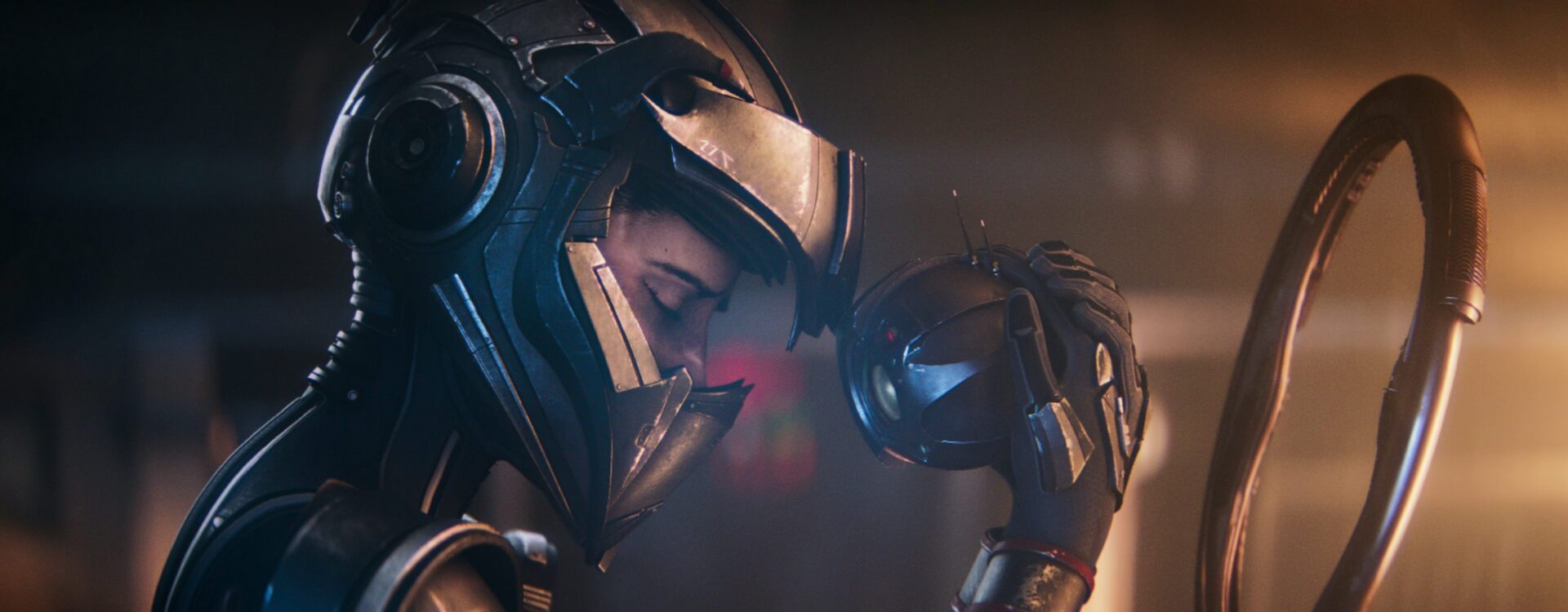
In a year defined by conversations about AI, identity, and what makes us human, one student film dared to ask a deeply personal question: If technology could recreate someone you love, would that be enough? Last night, the Visual Effects Society celebrated the 24th annual VES Awards, honoring exceptional artistry and innovation across film, television,…
Visual Effects
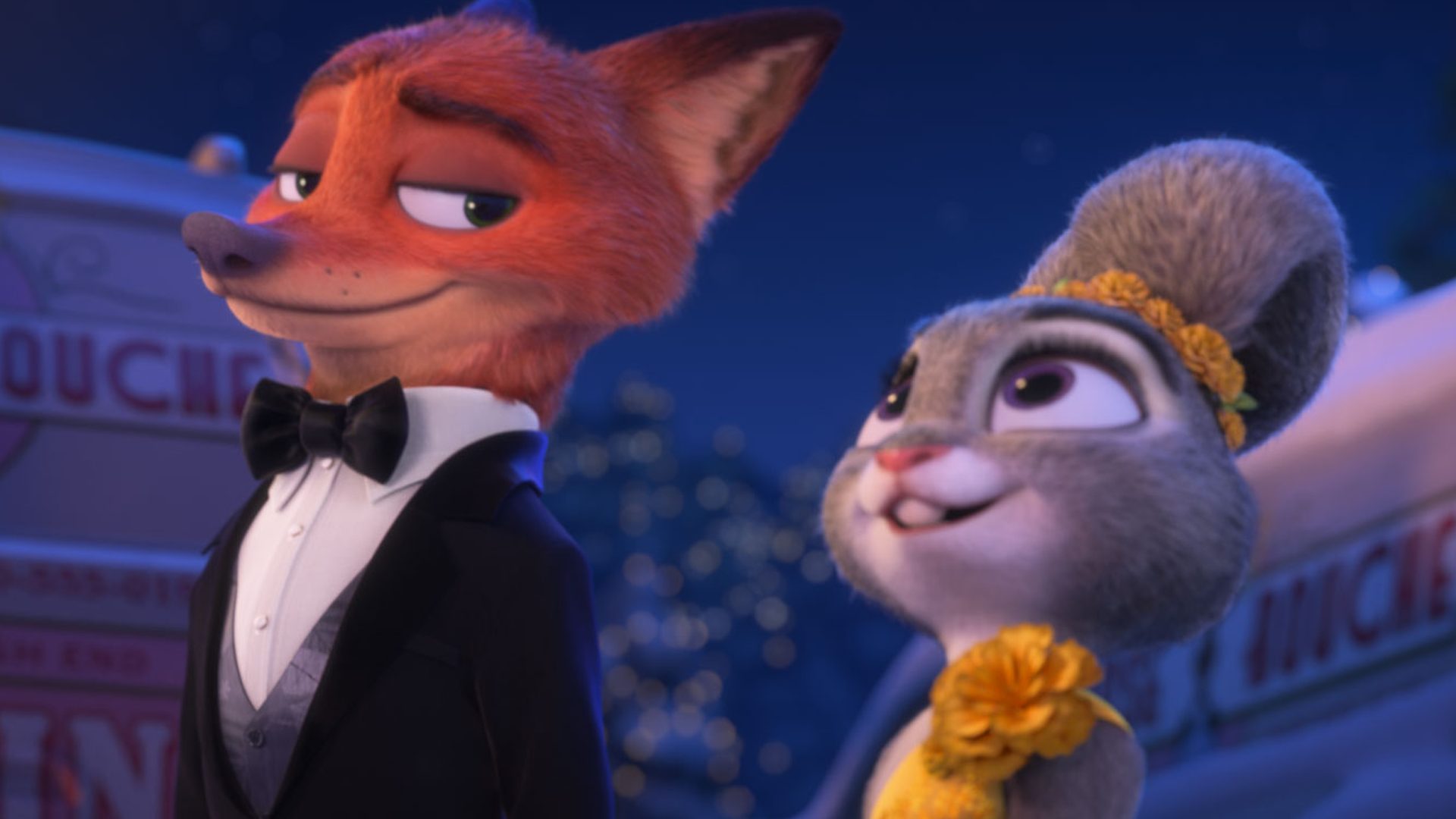
After more than a century of storytelling and innovation, Walt Disney Animation Studios continues to move the medium forward with Zootopia 2. Using Autodesk Maya to build new worlds and Flow Production Tracking to keep thousands of assets in motion, more than 700 people came together to create the film now nominated for Best Animated…
Animation
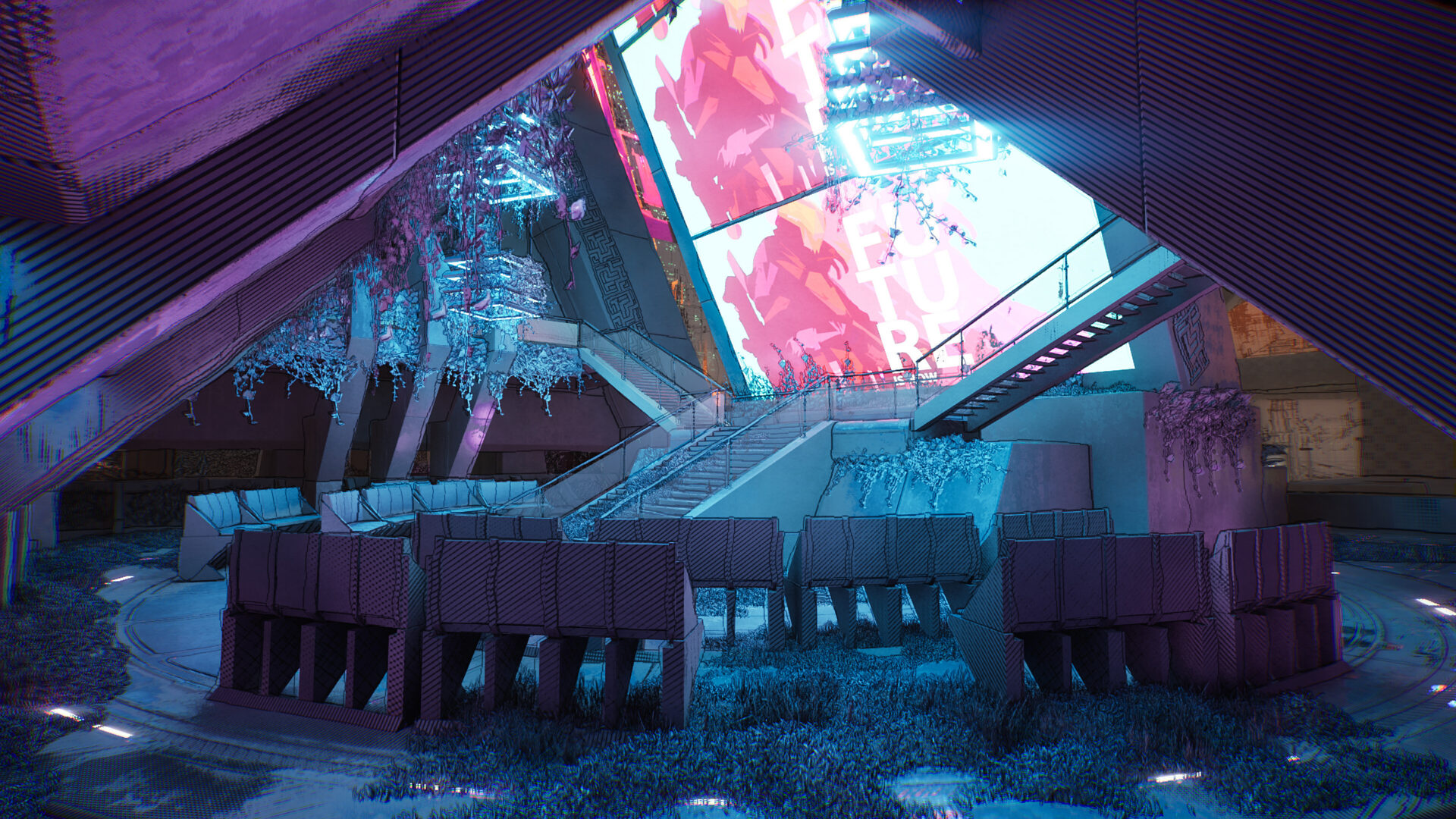
Give your imagination some dimension We’re heading to GDC 2026 from March 9–13 — and we’re bringing something special with us. As the global game development community gathers in San Francisco to shape the future of interactive experiences, we’re hosting a live workshop designed to spark fresh ideas and hands-on exploration. Join Harvey Newman — Animation…
Events