 Autodesk Foundation Team
This blog was co-created in partnership with Team4Tech.
India is home to nearly 126 million smallholder farmers, many of whom are increasingly exposed to climate change and environmental stress. Rising temperatures, unpredictable rainfall, and pest and disease pressure threaten both crop yields and farmer incomes for farmers across all of India. Kheyti, a nonprofit based in Hyderabad and an Autodesk Foundation portfolio organization, is working to address these challenges at scale.
Kheyti developed the “Greenhouse-in-a-Box,” a low-cost, modular greenhouse designed for small plots of land. The solution allows farmers to grow crops year-round while using significantly less water and fewer agricultural inputs. Kheyti pairs this product with hands-on support, including training, access to seeds, and and tech-enabled advisory services delivered through WhatsApp. This supportive model has helped more than 7,000 farmers across India increase income while adopting more climate-resilient practices.
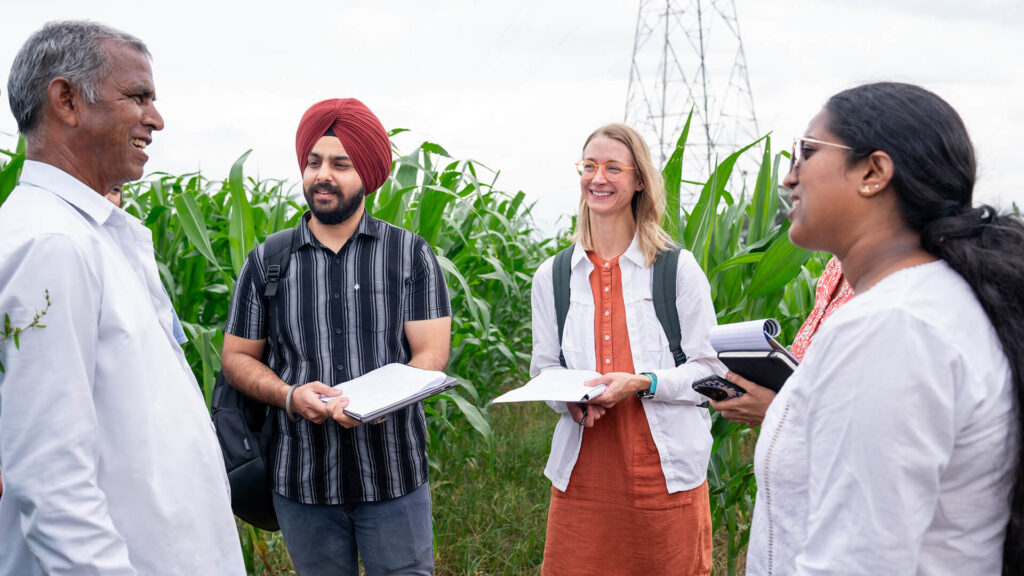
More than 7,000 farmers across India have already benefited from Kheyti’s approach. As the organization prepares to reach one million farmers by 2033, its leaders recognized a critical challenge: systems and processes that work at smaller scale would not hold as demand grows from thousands to hundreds of thousands.
That need led Kheyti to Autodesk Foundation’s Pro Bono Immersion program, delivered in partnership with Team4Tech. Team4Tech is a nonprofit impact accelerator, partnering with companies to engage their employees in global social impact projects. These projects leverage employee volunteers to build capacity for nonprofits through technology solutions and training. Ten Autodesk employee volunteers from India, Israel, the U.K., and the U.S. joined Kheyti for a three-month engagement that combined virtual collaboration with two weeks of in-person work in Hyderabad.
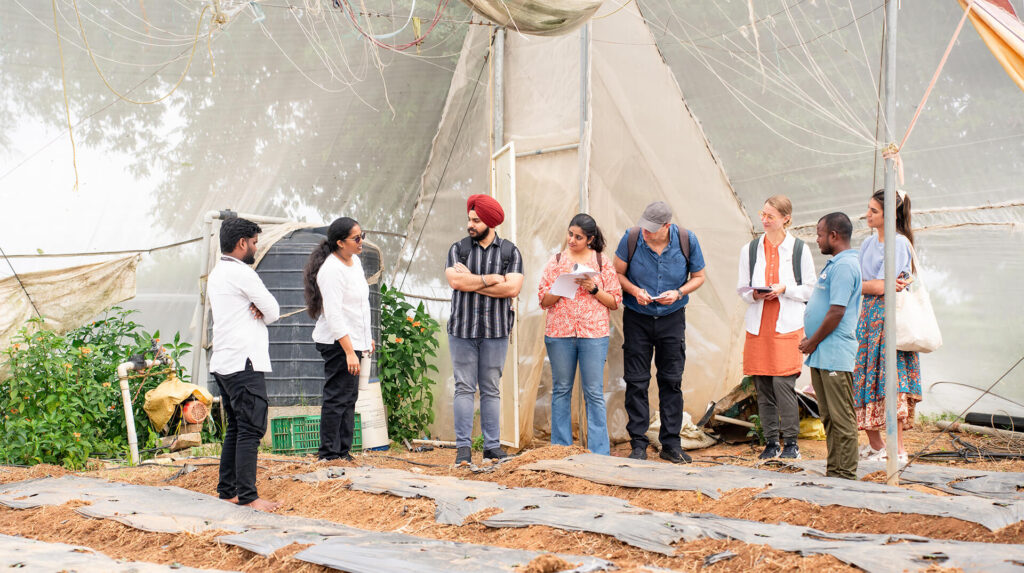
Guided by Team4Tech the volunteers worked closely with Kheyti’s leadership and field teams to understand existing workflows and constraints. One major area of focus was Kheyti’s data architecture. Before the engagement, farmer and operational data lived across multiple systems, including third-party tools and spreadsheets.
A volunteer subteam audited existing systems, identified pain points, and redesigned the data model to align with user journeys across the organization. They also introduced governance recommendations to support clean, reliable data over time. The result was a unified, user-centered data architecture and mapped workflows that can serve as a single source of truth as Kheyti grows.
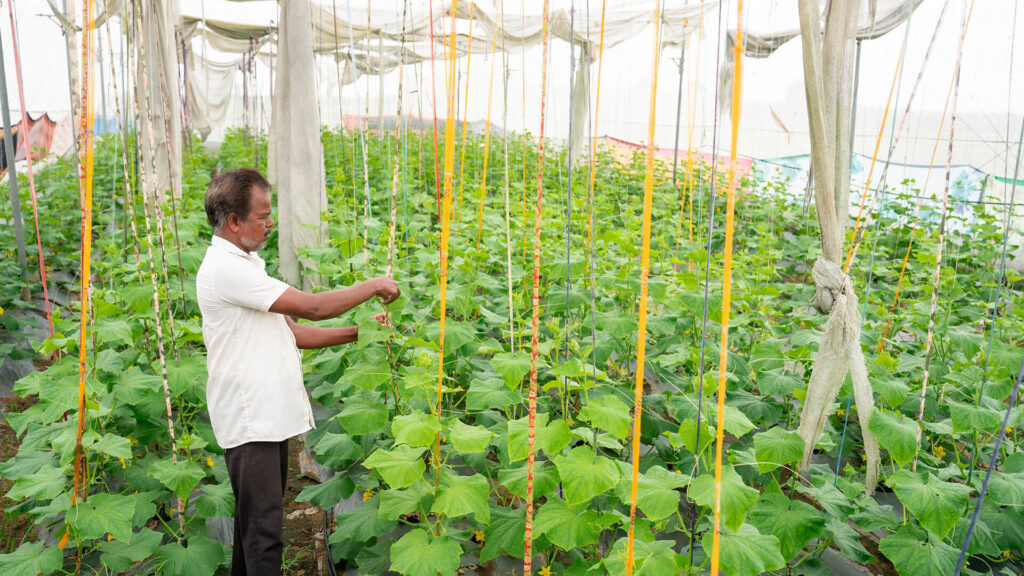
At the same time, another subteam addressed the scalability of farmer advisory services. Farmer Success Associates were spending significant time diagnosing issues, coordinating with agronomists, and managing manual workflows, which limits how many farmers they can support.

This team explored AI-enabled approaches to streamline pest and disease diagnosis and reduce manual effort. Working closely with Kheyti, they evaluated image-recognition options, tested large language models using filtered CRM data, designed automated WhatsApp conversation flows, and analyzed cost and infrastructure tradeoffs. They also redesigned Kheyti’s image capture protocol so farmers can send clearer, more usable photos from their phones.
The final volunteers’ deliverables and recommendations included user journey maps, business and data architecture documentation, governance templates, early prototypes, and a phased 24-month technology roadmap. And all recommendations were grounded in real farmer behavior and field conditions, which the team prioritized through interviews and the human-centered design process.
Reflecting on pro bono engagement, Kheyti’s Co-founder and CEO, Kaushik Kappagantulu, said:
“This engagement came at exactly the right moment when we were grappling with fundamental questions about technology and software in an area where we had no prior expertise, yet had enormous short-, medium-, and long-term potential.
What set it apart most, however, was the people. This was the most committed group of pro bono volunteers I’ve seen in over a decade; they were deeply engaged, rigorous in discussion, and disciplined in execution. The impact was real and lasting, and it meaningfully shaped how our team works today”
– Kaushik Kappagantulu, Co-founder and CEO, Kheyti
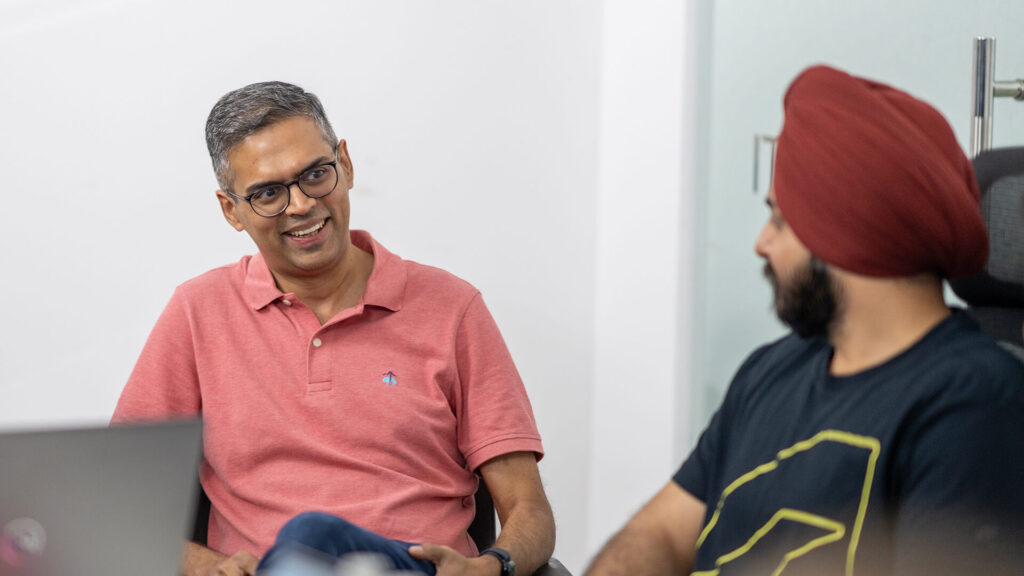
Kheyti now has a clear, actionable foundation to strengthen its data systems, streamline internal workflows, and introduce automation and AI thoughtfully without losing the trust and human connection at the center of its model. The work positions the organization to scale its impact responsibly and reach hundreds of thousands more farmers across India.
Learn more about how Kheyti‘s Greenhouse-in-a-Box helps smallholder farmers mitigate drought conditions.