 Autodesk Foundation Team
Last Energy’s 20-megawatt modular nuclear power plants can be delivered faster than traditional nuclear projects, making clean, baseload energy more accessible for hard-to-abate heavy industries including data centers, AI, industrial, and defense infrastructure.
The 2025 Autodesk University (AU) Expo showcased Last Energy’s solution to the energy crisis: micro-modular nuclear reactors and the digital workflows and engineering behind successful product development and deployment.
A modular approach to nuclear systems
Last Energy’s nuclear units are designed to be manufactured and deployed as modular systems. Instead of large, custom-built plants, the company focuses on components that can be produced at scale and assembled on site, simplifying construction and reducing timelines.
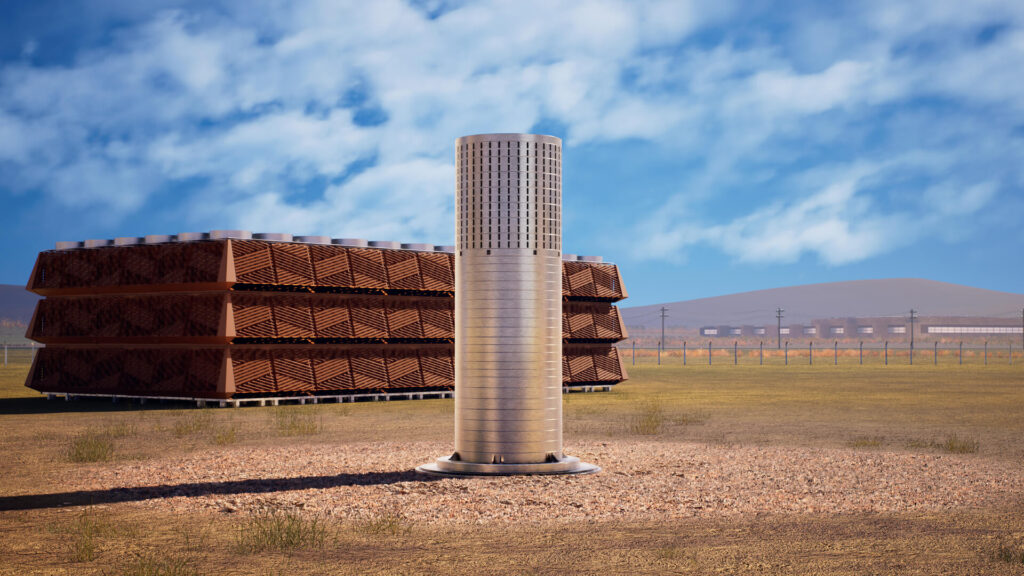
Precision-engineered nuclear island
Designed to house reactor equipment and optimize thermodynamic efficiency, Last Energy’s fully integrated nuclear containment indefinitely seals all radioactive materials from the environment.
AU attendees were brought into the design, fabrication, and assembly of the nuclear island architecture both digitally and physically. Attendees could explore the system in more detail through a digital model in Autodesk Inventor.

Prototyping and fabrication
Prior to any physical prototyping, concept modeling and feasibility tests are conducted using Autodesk tools: Autodesk Inventor, Inventor Nesting, Fusion, and AutoCAD.
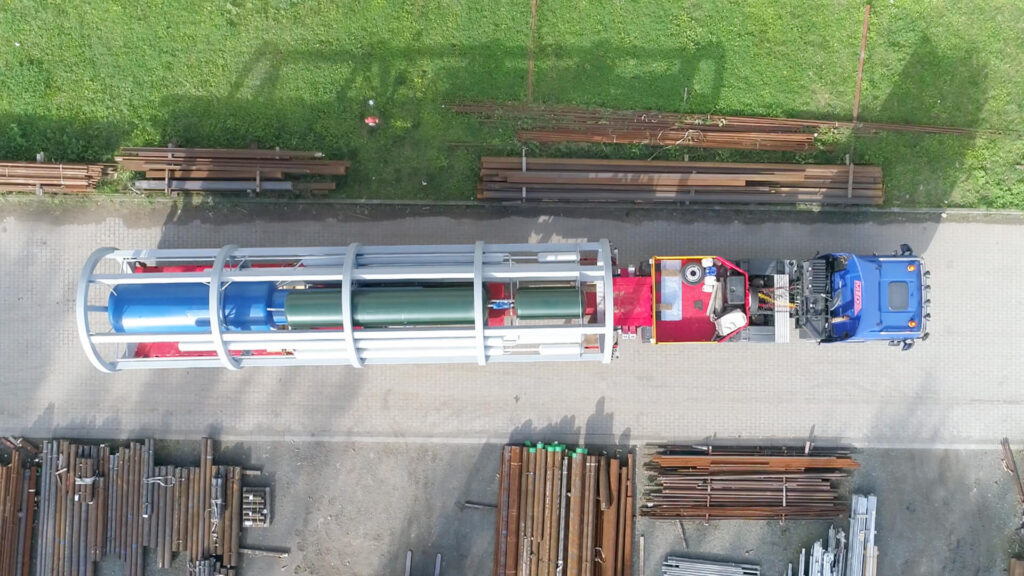
After validating lab-scale concepts, Last Energy contracts manufacturers from the oil and gas sector to fabricate full-scale prototypes. This agile, cross-industry approach underpins Last Energy’s manufacturing efficiency and enables scalability.
Nuclear island assembly
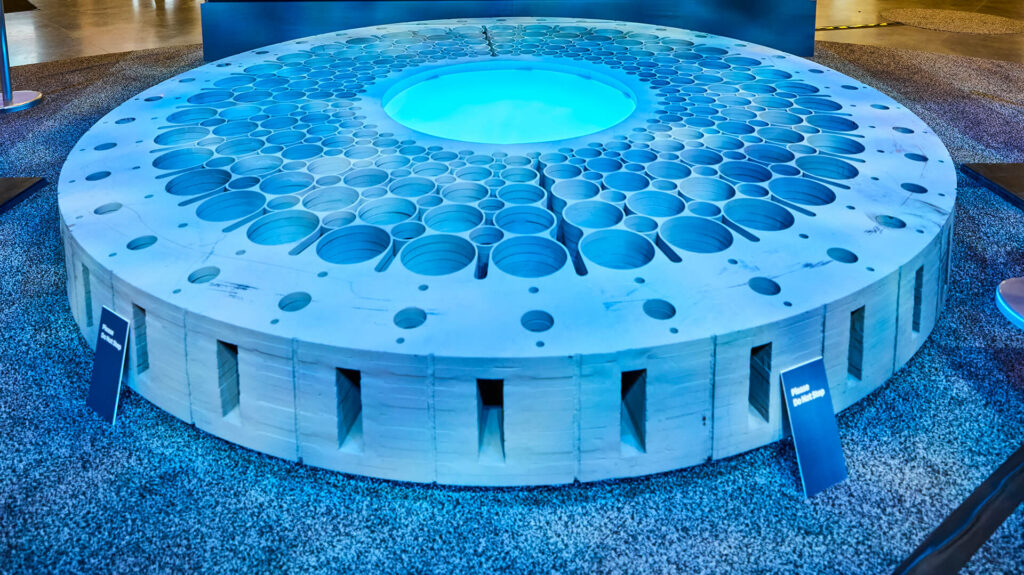
The containment structure consists of precision laser cut steel plates, assembled in a single, integrated structure that houses the reactor and primary systems. Each sub-assembly has been carefully designed using Autodesk Inventor to fit various equipment, piping, and instrumentation within the ring’s open cavities. The subassemblies then stack in a specific order based on the location of the equipment within the nuclear island. The physical scale of the containment system came to life in the AU exhibit through a prototype full-scale 12-foot containment subassembly weighing more than 10 tons.

“Integrating the Autodesk tools has allowed us to scale workflows and accelerate our ability to provide clean, sustainable and abundant energy.”
– Olivia Columbus, Chief of Staff, Last Energy
Design and engineering workflows
Last Energy integrates Autodesk tools into all its engineering and design workflows to accelerate its modular and prefab deployment model. Organization-wide use of Autodesk tools allows for easy adaptation of prefab and modular designs to meet municipal requirements and communicate across the team. This digital approach supports faster iteration and helps coordinate work across mechanical, structural, and systems engineering disciplines. As the company continues to develop and deploy its modular nuclear technology, those tools remain a core part of the design process.
Autodesk Foundation partnership
The Autodesk Foundation invested in Last Energy in 2024 as part of its Energy & Materials portfolio. In addition to funding, the Autodesk Foundation has facilitated access to Autodesk software and technical training to the Last Energy team to enable visualizing, designing, and realizing an abundant energy future.
Last Energy received the Making a Better World Award as part of Autodesk University’s annual Design & Make Awards.
Learn more about Last Energy.