 Arne Bjelland

Forma Building Design, available in the AEC Collection, Revit standalone license, and Forma for Buildings bundle, helps architects explore more ideas before it’s time for BIM.
Forma Building Design is our first big step in a direction we strongly believe in and one that we’re building side-by-side with architects. From the beginning, we’ve treated user feedback not as a checkbox but part of the daily rhythm of our work. We move constantly between big‑picture questions about where design tools should go next to detailed, feature‑level feedback rooted in real projects and real constraints
Some of the most valuable insights come from moments when hiccups appear, so to speak. When users feel that something’s off or seem confused, it immediately shows us where we need to course correct. That feedback is what allows us to improve and continue building a tool that truly supports the way architects think, work, and collaborate.
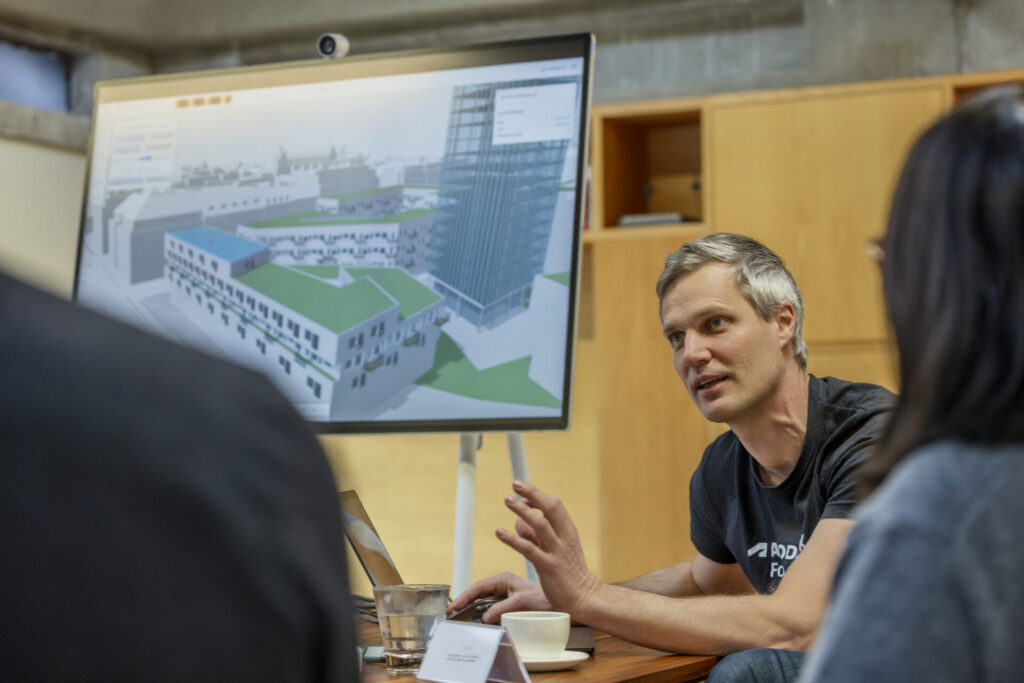
As an architect myself, I know how quickly a tool can either help unlock your ideas or get in the way of them. That experience greatly shapes how we’re building Forma Building Design to open up more design exploration in the schematic phase and help architects test more ideas when it matters most. In this post, we hear from two architects who have been testing Forma Building Design with us. We’re incredibly appreciative of their honesty, enthusiasm, and willingness to dive in — even during hectic project deadlines. To our community: a big thank you.
Francisco Polo, Design Architect, MVRDV
At MVRDV we are always researching tools that help bridge the gap between early design exploration and more structured BIM workflows. Testing Building Design felt like a natural extension of that mindset and a chance to explore how these workflows could evolve.
Being able to test the beta and directly share observations with the development team made the process feel collaborative rather than simply evaluative. From my perspective as a practicing architect, having that ongoing dialogue between designers and developers is extremely valuable, especially at this early stage of the product’s evolution.
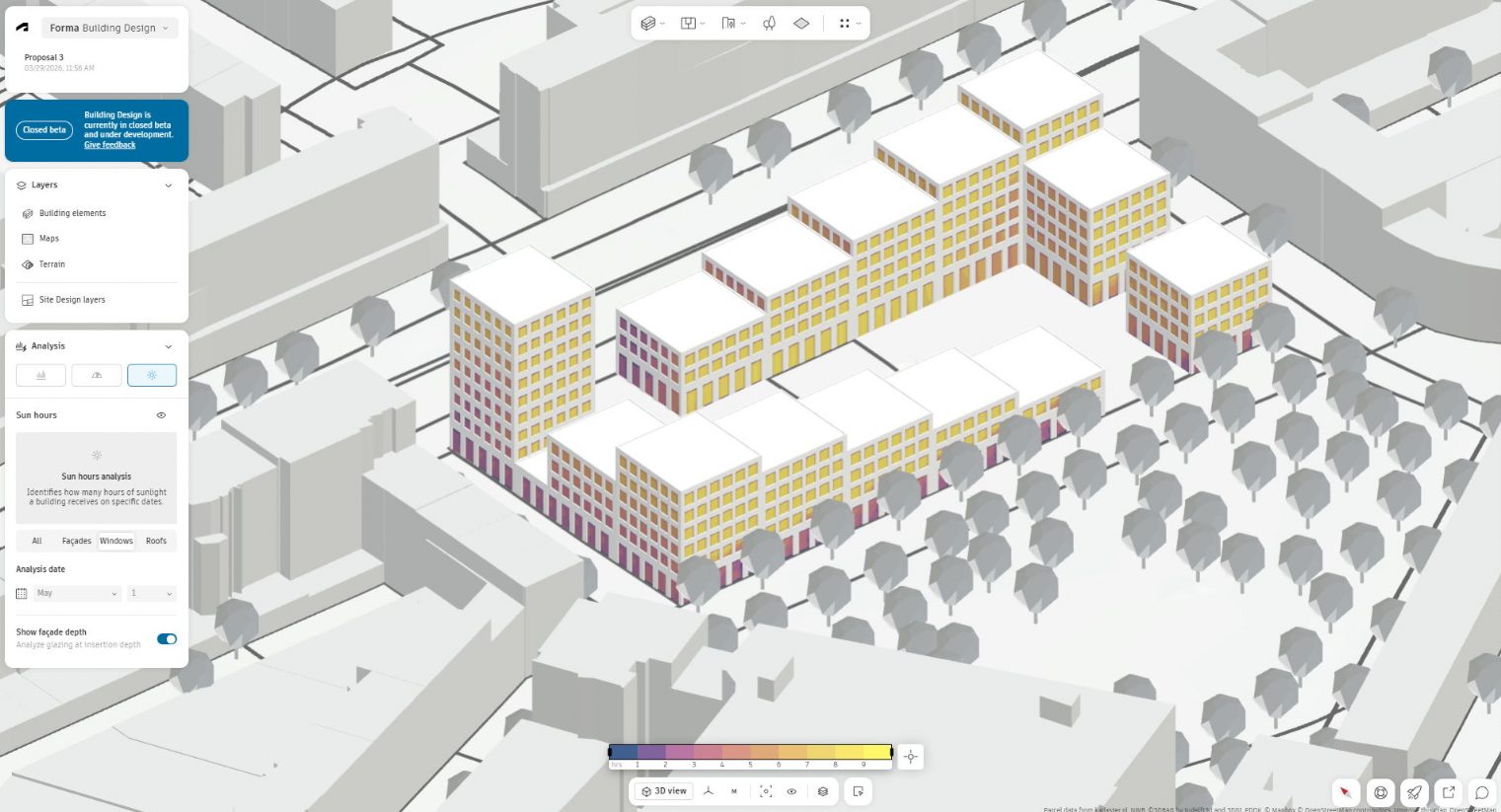
It’s exciting to test a new design tool and discover what it is capable of. While exploring the beta, I found the building modeling and interior layout tools very compelling. Being able to quickly define building volumes and then dive into floorplan design – placing walls, windows, and doors intuitively – makes the process feel both fluid and structured.
What surprised me the most was the facade automation tool. Testing it was fun – it allows you to quickly generate schematic facade systems and explore multiple design options with impressive ease. At MVRDV, where our work is very research-driven option-oriented, being able to rapidly iterate facade variations and immediately understand how they influence metrics such as daylight potential feels powerful for early-stage design exploration.
Testing a tool this early means that sometimes you need to imagine how certain workflows will evolve over time. I see strong potential in Forma Building Design as part of a larger ecosystem that connects urban context, environmental analysis, and architectural design within a single workflow. If the connection between Forma Site Design, Building Design, and downstream tools like Revit continues to strengthen, Forma could become a powerful environment for understanding site context, exploring design ideas and testing performance. For research-driven practices like ours, that kind of integration could significantly enhance how early-stage decisions are informed.
For architects interested in user testing, I’d say: be curious and willing to experiment. Testing is not only about identifying bugs, it’s also an opportunity to help shape how the tool evolves. The more diverse the design workflows that we explore and share with the development team, the stronger and more useful the platform will become for the whole architectural community.
Sandra Petkute Roberts, Solutions Consultant – Major AEC Platforms, Arcadis
For Arcadis, testing Forma Building Design was an opportunity to help shape a tool that smoothens the transition between early-stage and detailed design – at scale – and would benefit Arcadis’ designers in the near future too. Beyond hand-on testing, we also partnered with the product team to run roadmap discussions with our Arcadis Forma user community to bring in a wider range of feedback and perspectives from designers.
It was clear that the team is trying to build something that responds to early-stage design needs and not just adds more tools. Feedback was grounded in real design problems and use cases; it felt constructive and iterative. The product team welcomed candid conversations – that openness made it easier to share honest feedback and align on what would work across a wider user base.
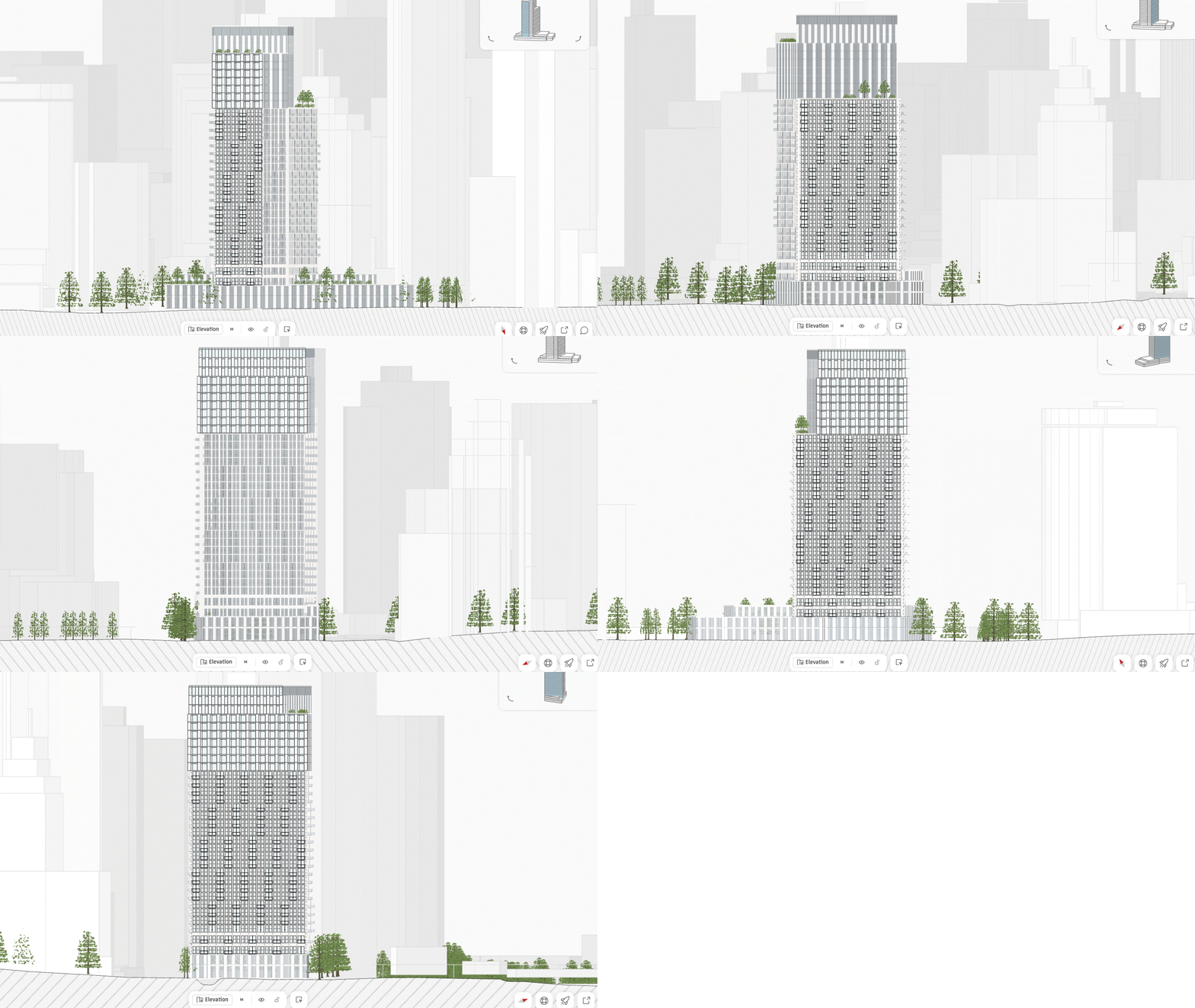
We got to see how our feedback led to improvements in the product. One that stood out was around building typologies and facade elements. Early on, we highlighted Arcadis’ work across especially residential and commercial projects. Seeing relevant typologies being integrated immediately makes the tool more applicable in our work. Another example was the exploded view, which we flagged as important for communicating building layout and function more clearly. Even details like the proportion of balconies – it was encouraging to see that level of nuance being considered and reflected in Building Design. Overall, we had many ongoing conversations with the team, and it really felt like feedback was continuously shaping the product in both big and small ways.
Because the product is still evolving, it requires some interpretation to understand how certain features will fit into real project setups. We also look at how tools scale consistently across teams collaborating in different regions and with different workflows.
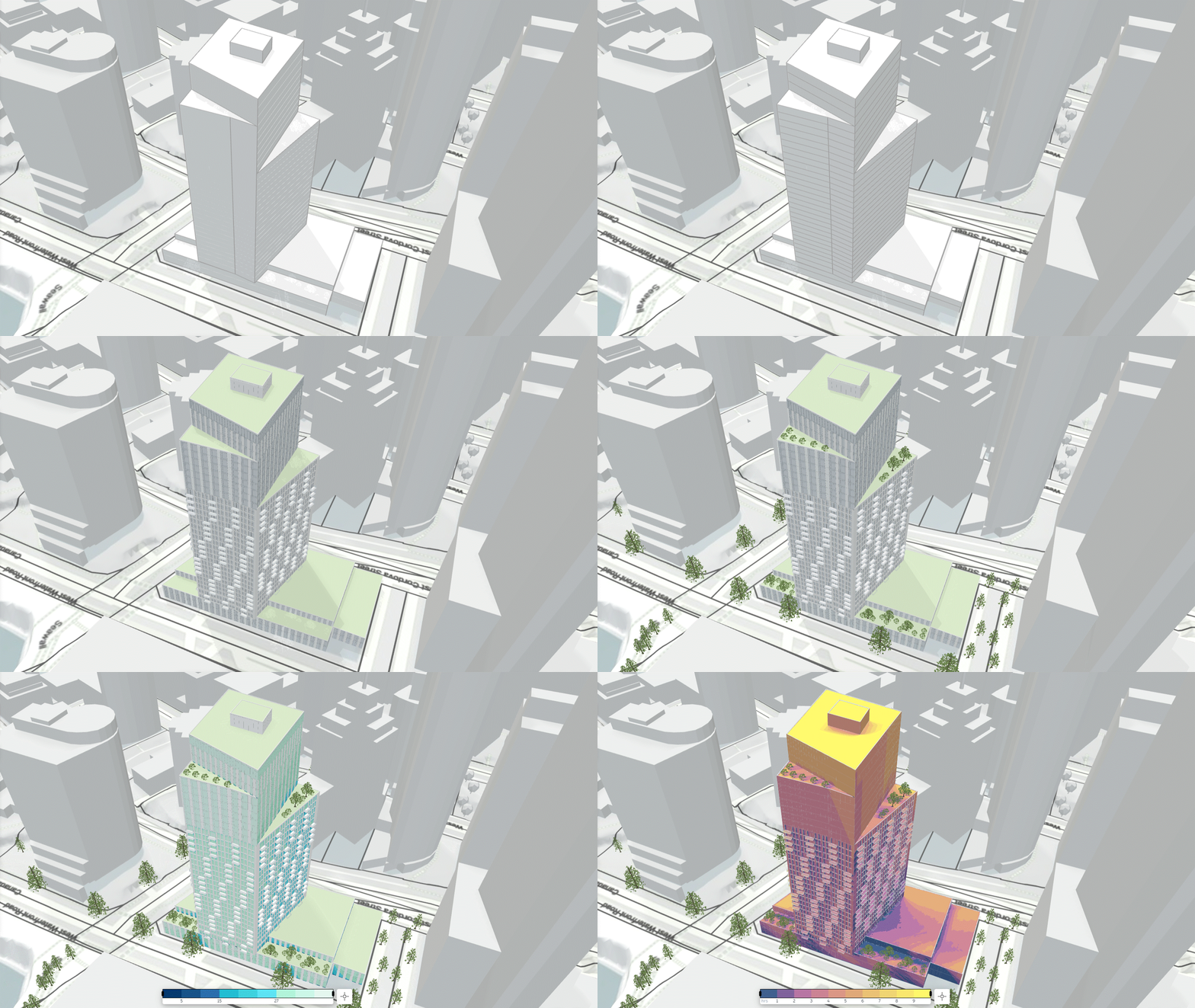
We see potential in how Building Design makes early-stage design exploration more accessible during the schematic phase while keeping it connected to the wider project workflow. It allows designers to explore and develop facade and layout ideas without needing heavy manual effort or in-depth expertise in more complex tools.
We also see value in how it supports collaboration. Building Design creates a shared environment where different stakeholders can engage earlier, with enough clarity to have productive discussions before things move into more detailed stages.
Having the opportunity to contribute feedback so early on, both from a design and implementation perspective, felt rewarding. It’s rare to have the chance to influence a tool at such an early stage, especially one that aims to create a more connected design workflow.
Frequently asked questions
What is Forma Building Design?
What is difference between Forma Site Design and Forma Building Design?
Forma Building Design helps teams determine building design direction for specific plots and blocks, including unit mix — so they can explore more ideas before it’s time for BIM and then move forward. It is used for schematic design.
Teams can easily switch between Site Design and Building Design with the direct integration.