Category: Design with Forma
-
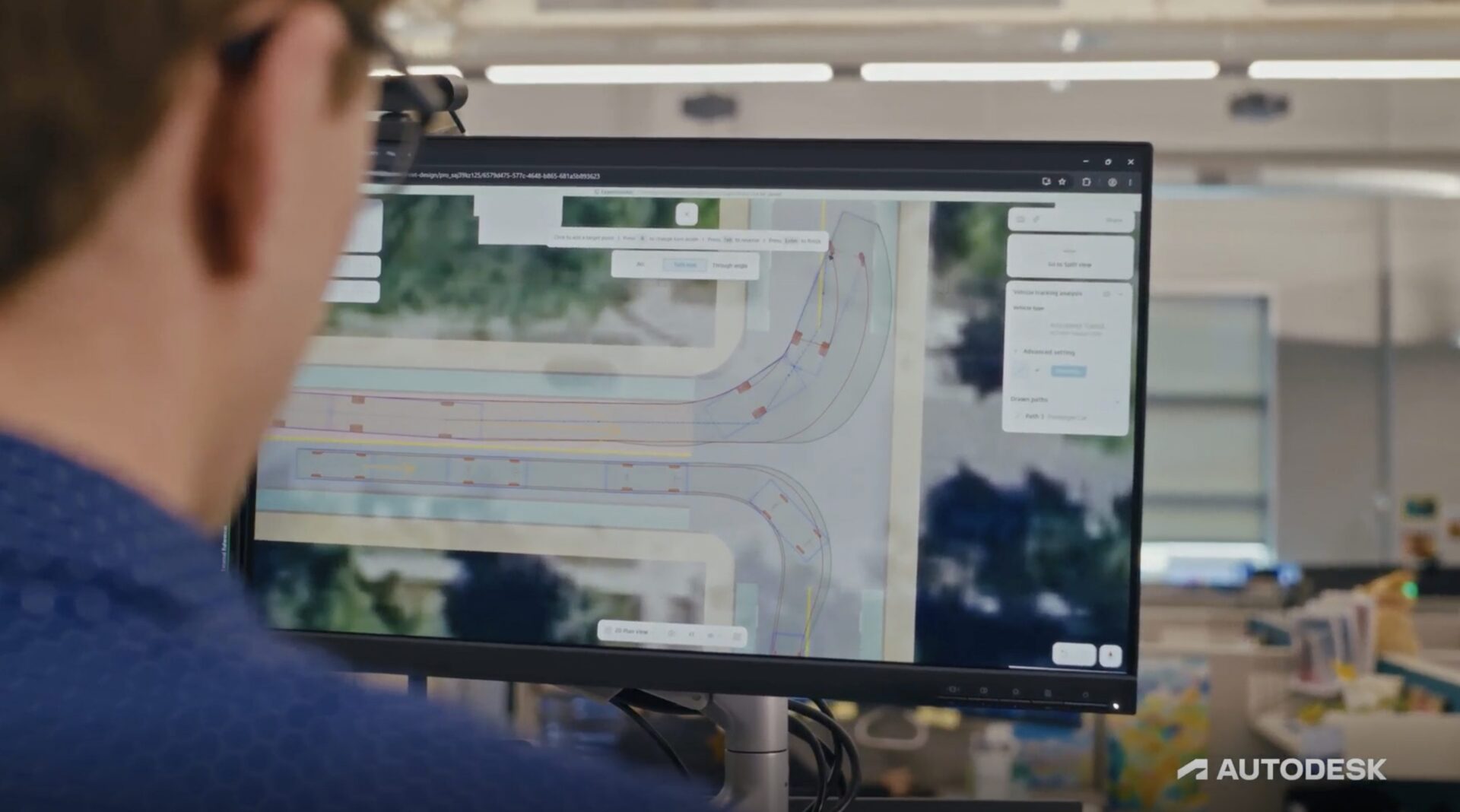
Streets ahead: Kimley-Horn helps shape the future of urban transportation projects with Forma Street Design
At a glance: Much of our day-to-day life depends on access to well-designed streets, whether we’re driving to visit family, taking the bus to school, biking to work, or walking to the grocery store. And, when designed well, they can help create a sense of place and make neighborhoods more enjoyable places to call home. “Good street design matters because streets are something that you and I…
Customer Stories
-
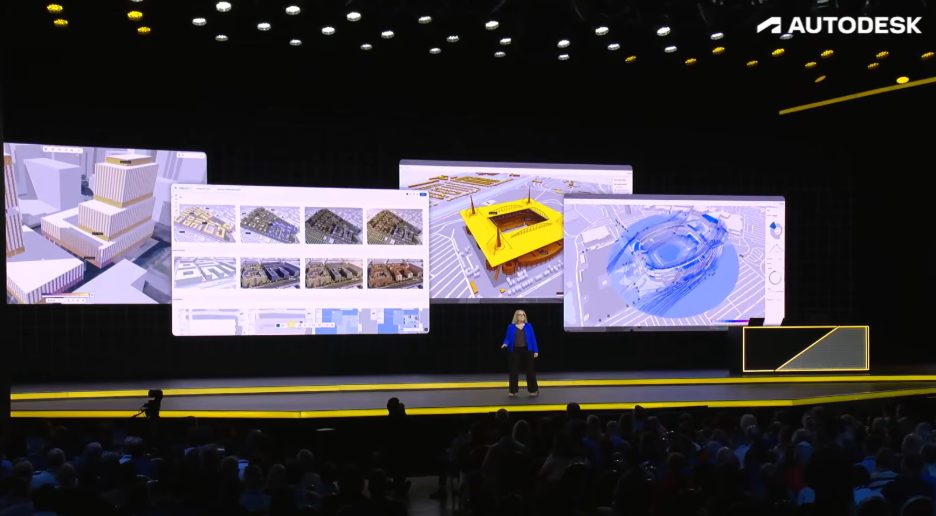
What was announced for Autodesk Forma’s design solutions at AU 2026
After an incredible week at Autodesk University 2026, the Forma team showed up with live demos, new sessions, and a handful of things we’d been sitting on for a while and were finally ready to share. Before we get into what’s next, let’s recap what got announced, whether you were there with us in Las Vegas or following along from home. Here…
Design with Forma
-
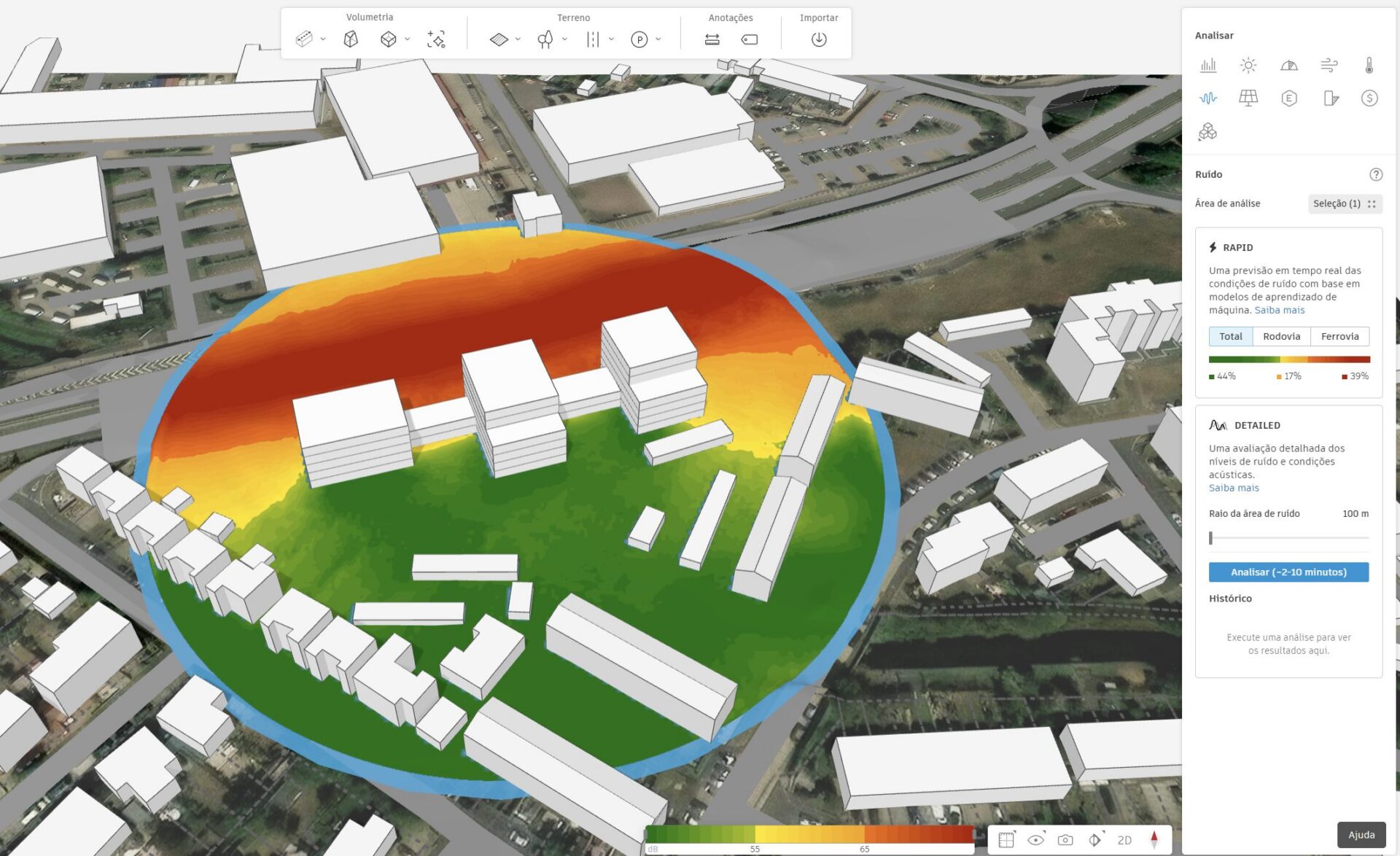
“The enemy at this early stage is time”: How Oramai Studio creates space to explore beyond the first sketch idea
Learn how Oramai Studio built their early-stage workflow around AI and new digital tools, such as Autodesk Forma Site Design, and better early site information to help them explore more alternatives and deliver rigorously tested housing concepts for their clients.
Customer Stories
-
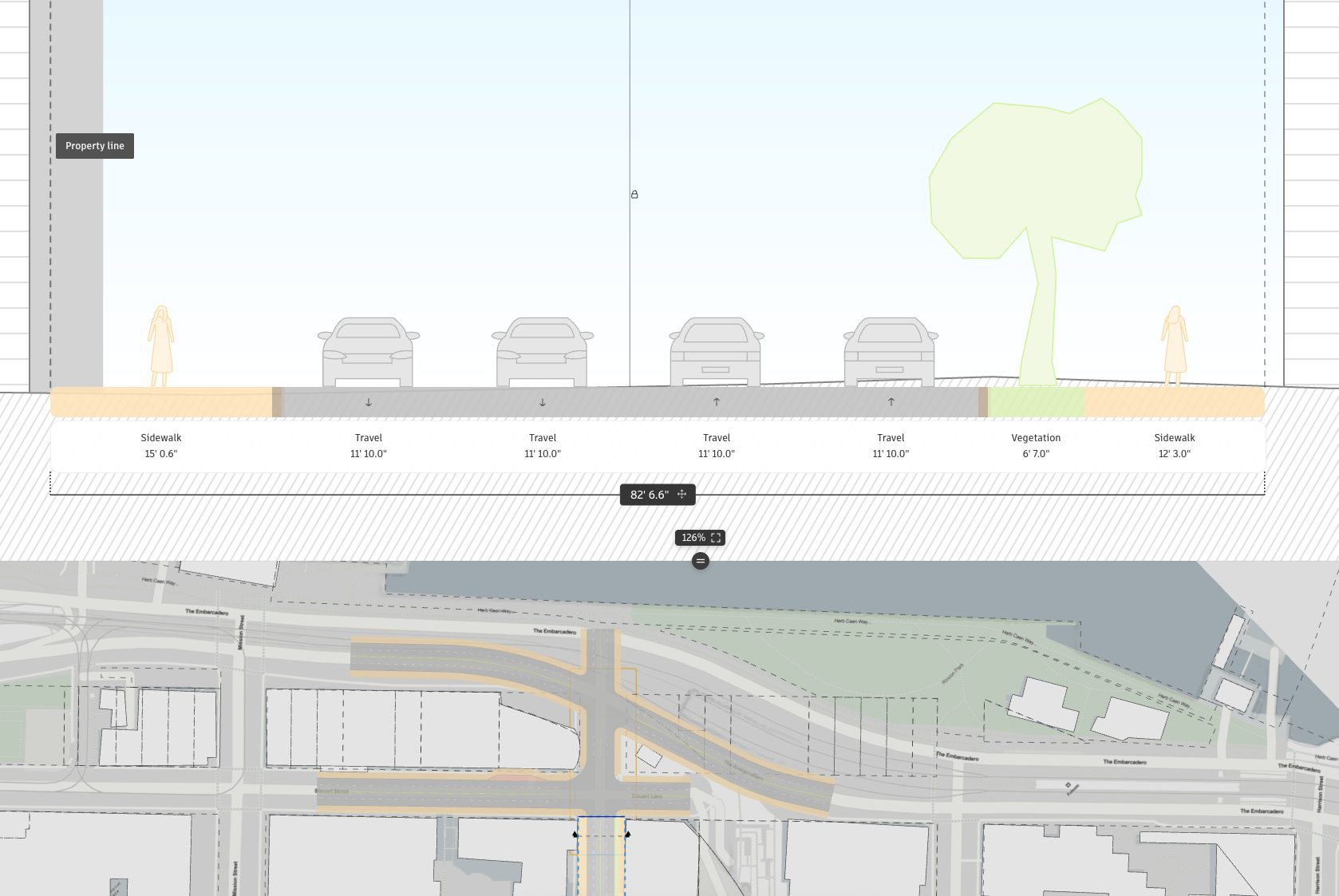
Introducing Forma Street Design: Design Live. Decide Sooner.
We're introducing Forma Street Design, a cloud-based street design software that civil engineers and transportation planners use to lay out and iterate on streets in real site context during early-stage design.
Design with Forma
-
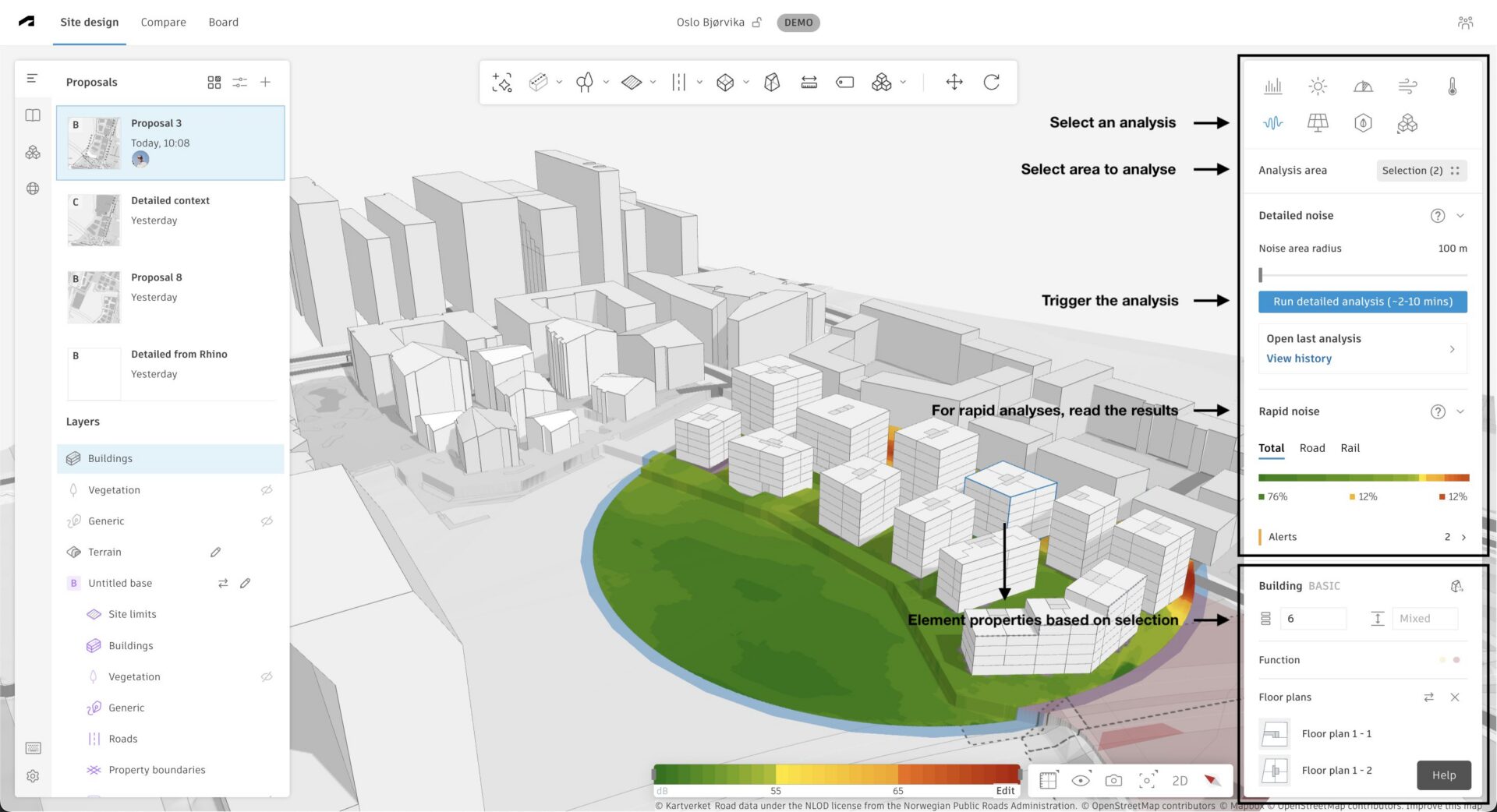
Overview of Forma Site Design tools and functions
Get to know Forma Site Design's tools: here's a quick guide to familiarize yourself with the main tools and areas of the interface.
Product
-
Forma’s design solutions at Autodesk University 2026: What to see in Las Vegas
Autodesk University 2026 returns to Las Vegas September 15 to 17. Autodesk Forma, the industry cloud for architecture, engineering, construction, and operations, has one of its biggest AU presences yet, and if planning and design is your world, this is the year to pay attention to where Forma is heading. Here’s how to plan your three days, whether you’re deep…
Design with Forma
-
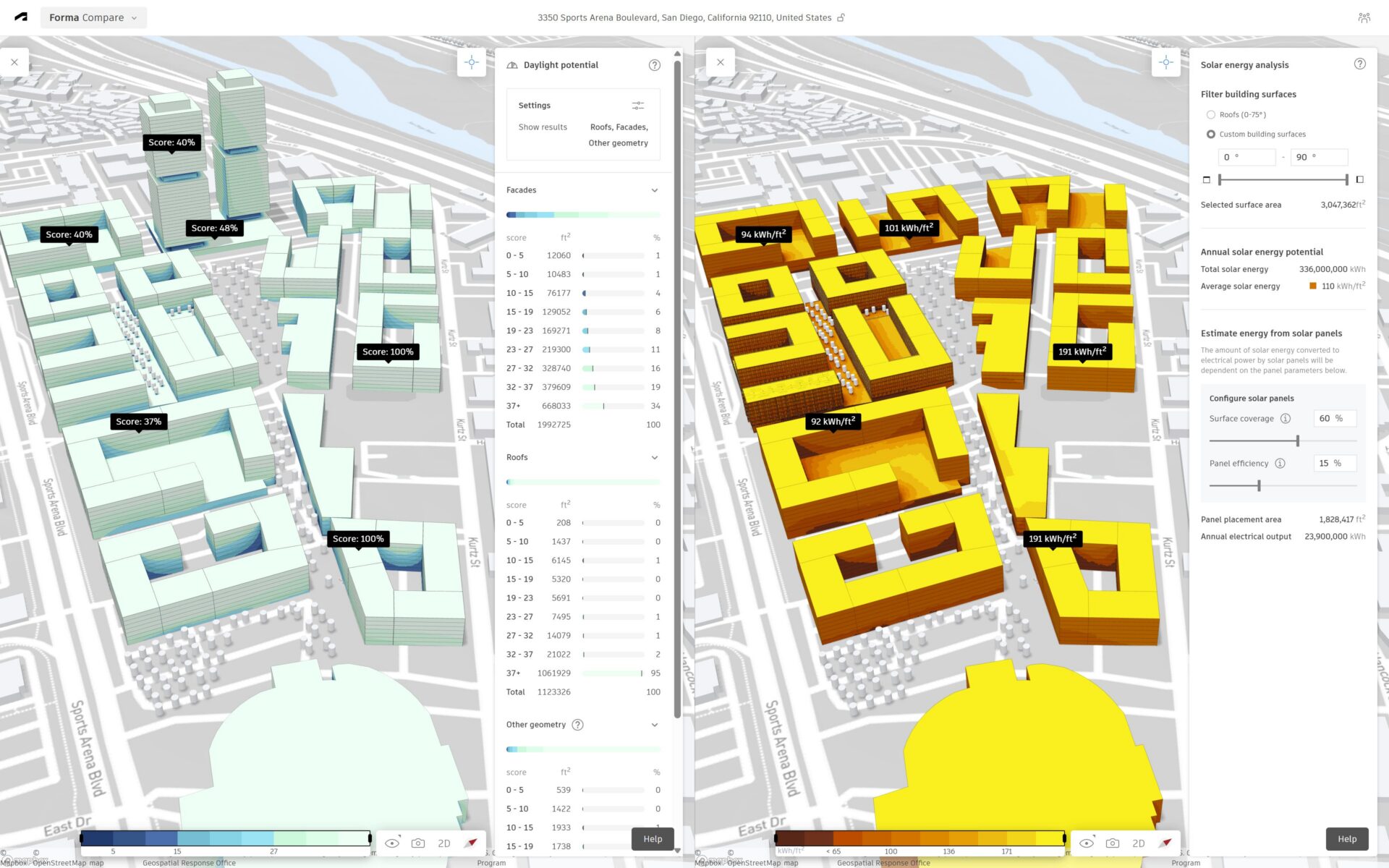
What is Autodesk Forma Site Design? Uses, Revit integration, and project types
Autodesk Forma Site Design is a data-driven, cloud software for site planning, feasibility studies, conceptual design, and early environmental analysis. Architects, urban planners, and real estate developers use it during pre-design, programming, and concept design phases to explore sites, compare massing options, and test early building performance before moving into detailed design. It is part…
Design with Forma
-
Introducing total carbon analysis in Forma Site Design: Understand embodied, operational, and total carbon from the earliest stage of design
The decisions you make in the first weeks of a project shape a building’s carbon footprint for its entire life. Where the buildings sit. How big they are. What they’re made of. By the time a sustainability specialist runs a detailed assessment, the massing is often locked — and the biggest opportunities to cut carbon have already passed. Early…
Design with Forma
-
What’s new in Forma Building Design: stairs, section slicing, and unit-level GFA
Effective schematic design is about answering hard questions early while they’re still cheap to answer. Since the launch of Forma Building Design in April, we’ve released several updates that help you tackle early design decisions. Does the building work vertically? How does it sit in section? And how much floor area does each unit actually give you? Here’s what’s new in our schematic design software – Forma Building Design. Design stairs in your floor plan Vertical circulation isn’t a detail you add at the end. At…
Design with Forma
-
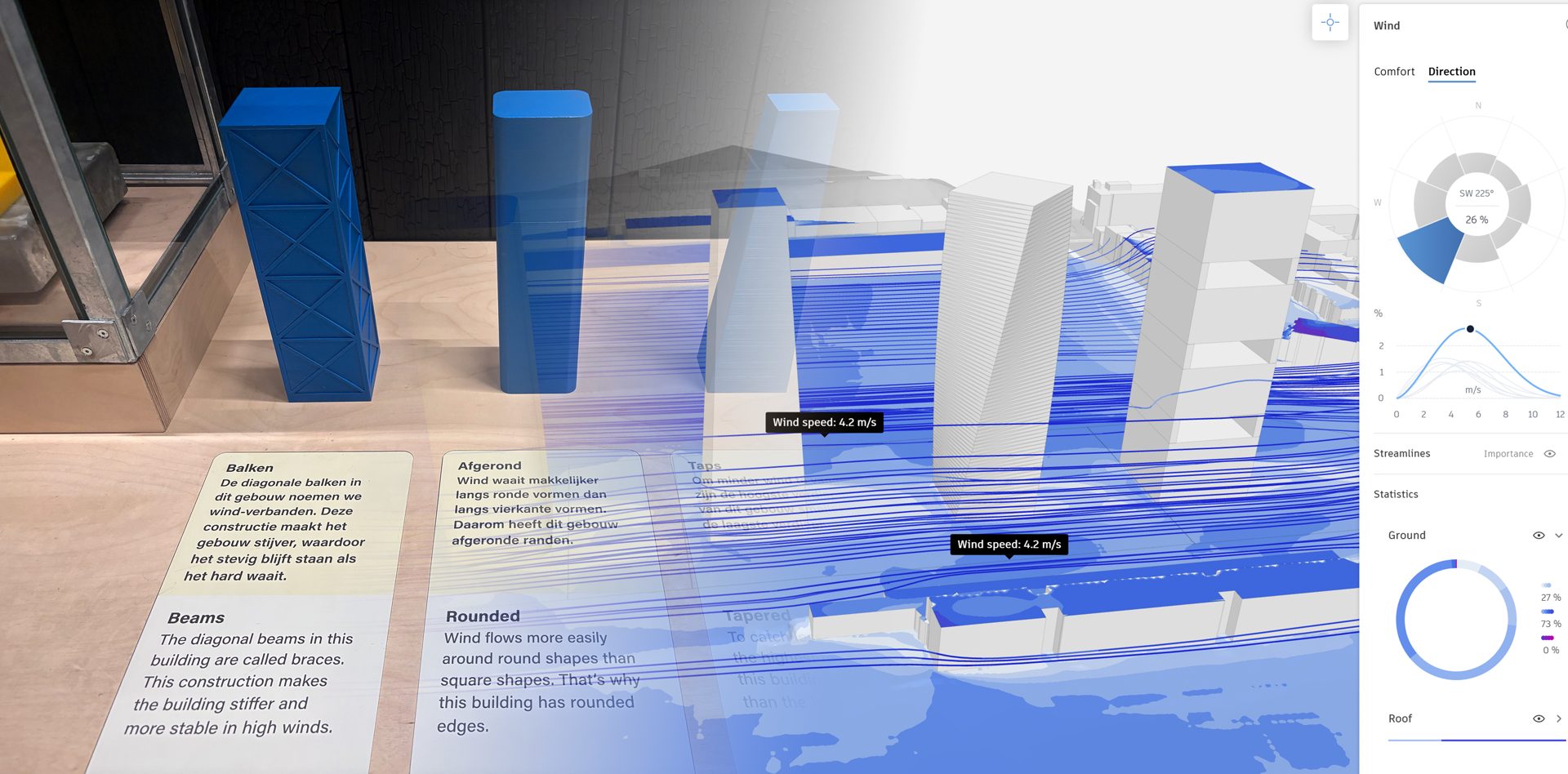
Designing with wind: what a children’s science museum taught us
TL;DR: This was one of the exhibits we came across recently at the NEMO Science Museum in Amsterdam in the construction section. Technically it was aimed at kids, but it was equally fascinating to the architects looking at it. The exhibit asked two simple questions: how do you build many homes on a small piece…
Design with Forma