 Autodesk Media & Entertainment
Story originally published on Autodesk AREA November 22, 2022.
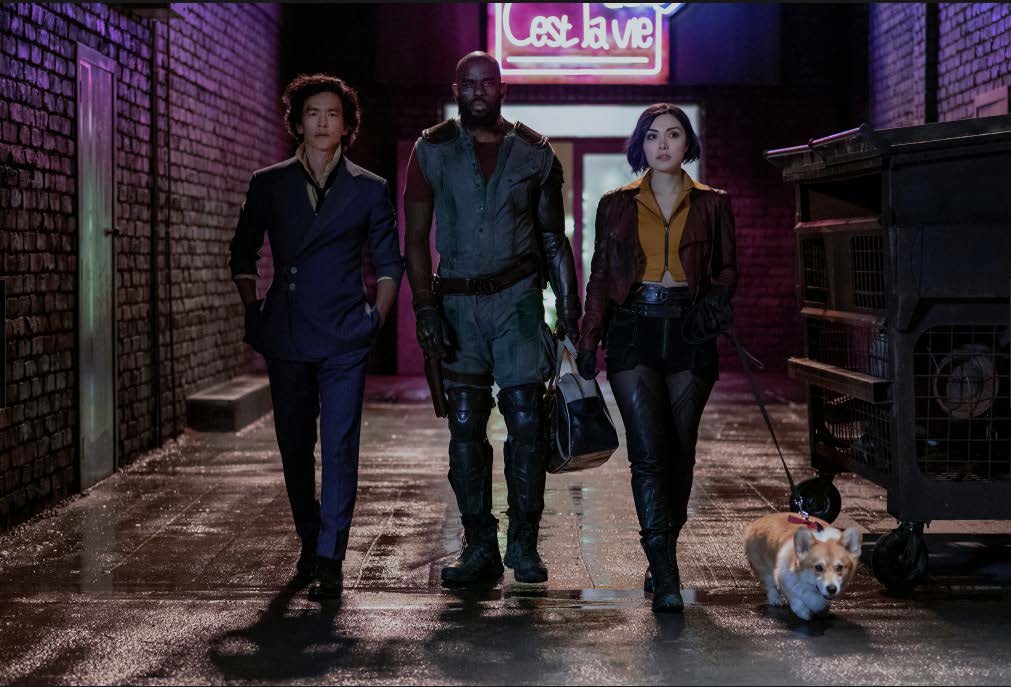
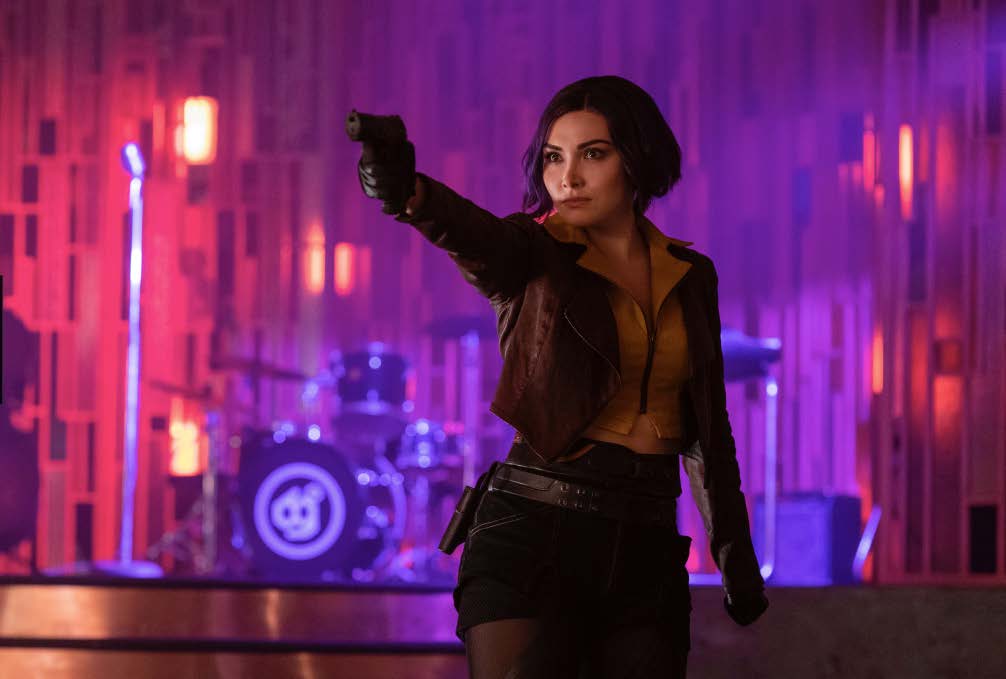
Whether it’s space westerns or zombie flicks, post-production supervisor Cameron Angeli is always looking for new ways to solve creative challenges. Whether in his previous role as Starz’s Head of Post or more recent work on Netflix Originals series “Black Summer”, adopting remote workflows and cloud-based solutions like Autodesk Flow Capture (formerly Moxion) has opened up a world of possibilities. We caught up with Angeli while he was busy wrapping up his work on Netflix’s live-action “Cowboy Bebop” adaptation to learn more about the essential role Flow Capture plays for him and his team.
Hi Cameron. Thanks for speaking with us. Did you find the pandemic accelerated the uptake of remote workflow and cloud-based tools?
CA: Inevitably, yes. I don’t think anybody was necessarily excited by the process as much as they were dealing with it. To keep working, they do it. [But] things have gotten better than they were in terms of available technologies, so that helps. I think there are certain things that people would just like to do in one room together, if offered the choice.
How difficult is setting up a project and choosing tools that will play well together?
CA: I think that you use the information that you have at the time that you make the decision. When you’re on a project like CowboyBebop, which I’ve been on for two and a half, almost three years now, the decisions we made in 2019 – and the decisions that we made at the beginning of the pandemic – were very different from where we are now.
A lot of the technologies that looked great [at a certain point in time] either blew up too quickly and couldn’t handle the amount of users or bandwidth, or something better [comes] along that you wish you could switch to. That’s probably the biggest challenge – finding the tool that works and hoping that it continues to work. If it doesn’t, what can you do to change it, and how long [will] that take? How disruptive to the business will it be to make the change?
Swapping out tools or resources halfway through a project is not insignificant.
CA: Yes, and we’ve done that on a couple of fronts on this project. We changed the color space, which was difficult, and we had to change our remote workflow for editorial to figure out a better way of editing. [For] some of those technologies, you’re thinking: “How much is the pain point right now? What can we sustain?” And then, when you reach a certain threshold, it becomes worth working nights and weekends fixing it.
“There’s a lot of [features], and it doesn’t make sense for us to have another product because [Flow Capture] seems to do all the things that we like.”
Are you always considering what workflows to pick when starting new projects?
CA: It depends on the budget, but yes. It’s a luxury to be able and make changes, pick the greatest tools, and do all the things you want up front. And if you’re doing a really big project with a large budget and lots of support behind it, then you can make those decisions. But if you’re doing something a little smaller, that’s when you figure out the lowest common denominator with the least amount of push back from your different parties and try and thread that needle. But inevitably, the small projects as well, they really can use efficient tools because you have less people and less time to do it.
So there’s definitely benefits to trying to push for certain things regardless. When we sit down to do a project, I think about the best [practices] from a technology perspective first and then who are the vendors that can solve these problems.
“[We’re] using [Flow Capture] for everything from Immediates to Dailies to cuts to color review to QC and sound… It has definitely become a cornerstone of what we do.”
Had you used Flow Capture prior to Cowboy Bebop?
CA: Yes, we actually used it on Ash vs. Evil Dead. We were launching a lot of pieces, and it worked really well for everybody in New Zealand because DAX wasn’t working out there at the time.
We were also an early team trying out Review Sessions and used it on Black Summer when we were in lockdown to do VFX reviews with the team. We had a much smaller shot list and no VFX team, so it was on me and the assistant editor to figure out how to show shots to everybody. To make sure that you’re not getting streaming glitches, it’s nice.

What keeps drawing you back to Flow Capture?
CA: [We’re] using [Flow Capture] for everything from Immediates to Dailies to cuts to color review to QC and sound. We use it for all those things, front to back. It has definitely become a cornerstone of what we do. At least how our post team uses it. We also have to support PIX for Netflix, and there are certain moments where we share things through Flow Capture because of the color accuracy we can get through HDR and all that.
There’s a lot of [features], and it doesn’t make sense for us to have another product because [Flow Capture] seems to do all the things that we like. The amount of things that we put up into Flow Capture is a lot more than we [could do] in the past. A lot more versions of cuts go up now so that we can take a look, get our notes together and think about it.
I’ll be on a call, and to be able and pull up a cut, go to that time code, find those spots and have it be accurate? That helps a lot. So we love it. We’re all in on it.