 Autodesk Media & Entertainment
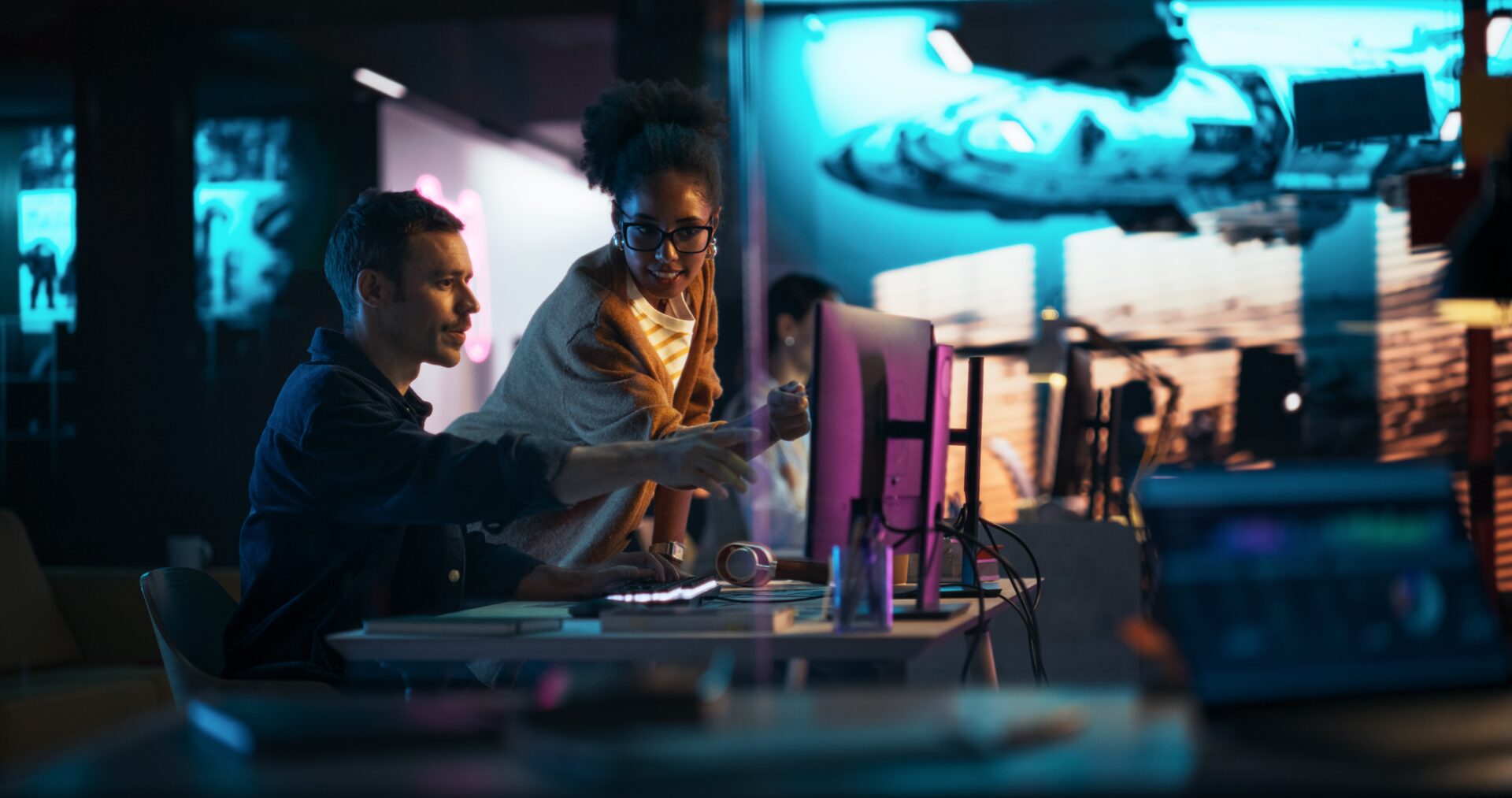
At first, the shift to remote collaboration in media and entertainment was gradual – an experiment in efficiency. Studios sent animation jobs overseas, split VFX work across vendors, and slowly built the connective tissue of global pipelines.
Then came the pandemic in 2020, and that slow evolution became a sprint. Practically overnight, bedrooms became edit bays and dining room tables turned into production offices. Rendering moved to the cloud. The fact that production continued at all was a testament to the industry’s ingenuity.
When the world reopened, many expected a return to the old ways. Instead, a new normal emerged – one where production teams span continents, reviews happen in the cloud, and creative professionals rarely share the same zip code, let alone the same building.
The result? Boundless creative opportunity and a vastly expanded security frontier.
As workflows go global, the challenge isn’t whether you can embrace distributed collaboration. It’s how you can do so securely, without slowing down the creative process or putting valuable IP at risk.
Distributed creativity is here to stay. Security has to evolve with it.
Our white paper, “Safeguarding Creative IP in the Era of AI and the Cloud”, explores how to protect IP in a world without walls and what the most future-ready studios are doing to get ready.
The double-edged sword of remote production
The benefits of distributed production are undeniable. Cloud workflows make it possible to edit, render, and review in parallel. Camera-to-cloud pipelines shrink turnaround times. Teams can scale instantly and tap talent anywhere on the planet.
But every leap forward comes with new risks. What used to be a single network inside a facility is now a constellation of devices, collaborators, and cloud environments – all exchanging files, credentials, and metadata. Each of those touchpoints represents a potential point of weakness.
We all know how it goes: unencrypted file transfers on hotel Wi-Fi, personal laptops with outdated antivirus software, shared passwords scribbled on sticky notes, a freelancer using an unapproved cloud app to “speed things up.” Multiply that across vendors and time zones, and you have a complex and ever-shifting security frontier.
Why IP security matters more than ever
In media and entertainment, your IP is your product. Scripts, scenes, characters, code – every frame and file carries creative and commercial value.
Leaks or breaches can hurt revenue and reputations. Pre-release content can end up on pirate networks overnight, knee-capping marketing campaigns and spoiling fan anticipation. Proprietary game engines can be cloned. Even a seemingly harmless data mishap can snowball into lost trust or costly downtime.
And the threat landscape has evolved – from lone hackers chasing notoriety to organized criminal groups motivated by profit. They steal content, sell credentials, and leak communications to inflict reputational damage or extort companies for political or financial gain.
Physical protection and air-gapped servers aren’t enough anymore. In a world where collaboration happens everywhere, security has to travel with the content.
The new security frontier: everywhere and nowhere
When work happens everywhere, the network perimeter effectively disappears. A home router or a personal laptop can now be part of a production pipeline worth millions. The more connected production becomes, the harder it is to defend – at least if you approach it in traditional ways.
Make no mistake: remote collaboration is here to stay. The question isn’t whether studios can embrace it; it’s whether they can do so securely, without slowing down the creative process or throttling innovation.
Balancing creativity and control
Securing creative IP today isn’t about locking down a single server or mandating complex passwords. It’s about designing security into the workflow itself, making protection part of the creative process, not an afterthought.
It’s about ensuring granular access control, so collaborators see only what’s relevant to their role. It’s about multi-factor authentication and audit trails. And it’s about Zero Trust architectures, in which every user and device must prove its legitimacy continuously.
The most forward-thinking studios are already embedding these principles into their operations, treating security as a strategic enabler, not a creative constraint. Because the truth is that you can both enable global collaboration and maintain airtight IP protection.
It just requires a new mindset. And the right tools.
Flow Capture: Creativity without compromise
That’s where Autodesk Flow Capture comes in. Born from the integration of two trusted platforms – Moxion and PIX – Flow Capture is built from the ground up to enable secure, seamless collaboration in the world of remote and hybrid production. It’s more than a digital dailies and review tool; it’s a purpose-built environment for protecting creative IP at every stage of production.
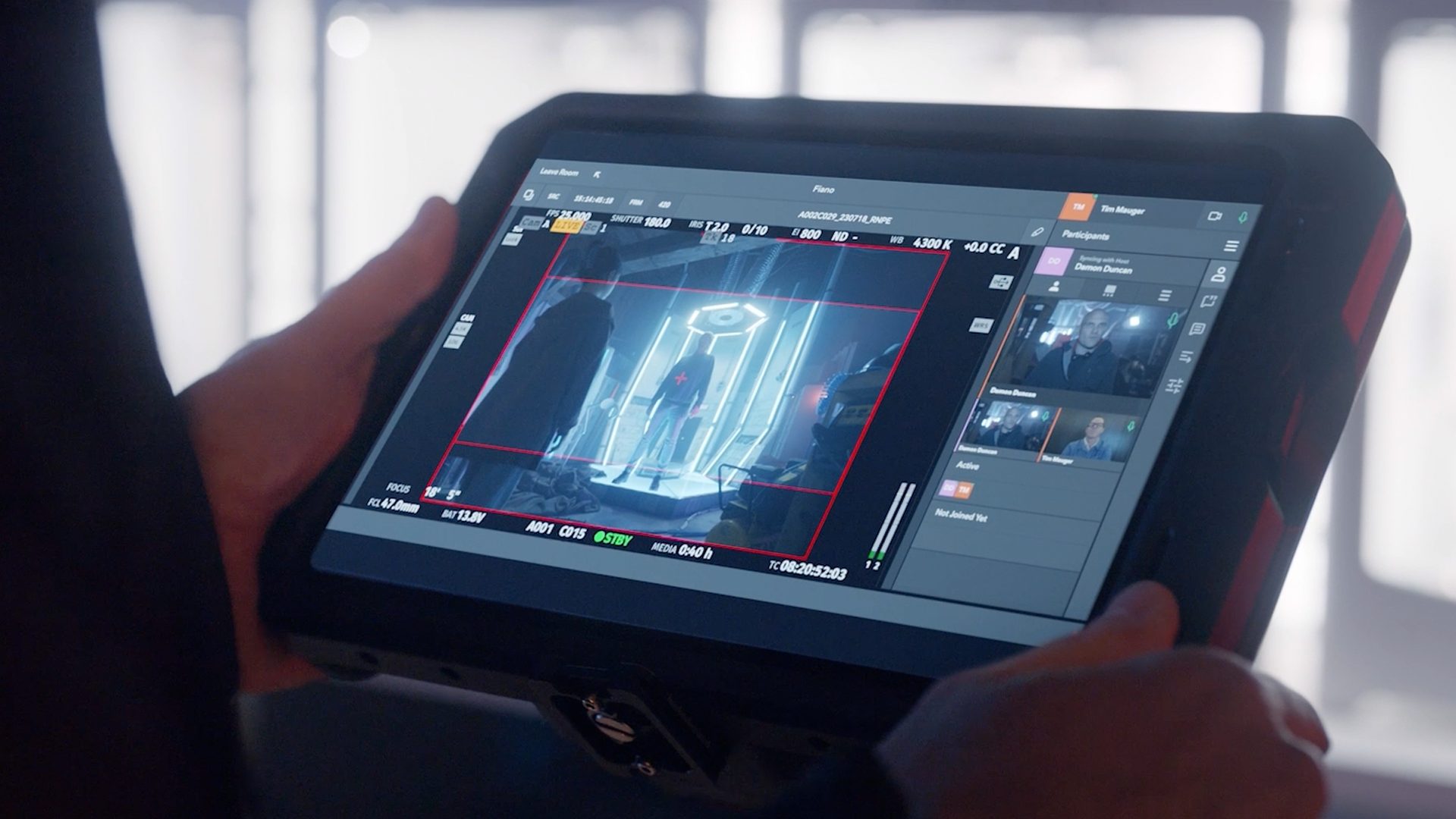
Here’s how Flow Capture helps you protect what matters most:
- Studio-grade security: End-to-end encryption for files, multi-factor authentication, and role-based access controls down to the asset level.
- Collaboration without compromise: Live, secure Flow Capture Rooms for real-time review and feedback with dynamic watermarking and frame-level annotations.
- Seamless integration: Connect with tools like Flame, Avid Media Composer, and Flow Production Tracking, reducing risky file transfers and keeping context intact.
- Enterprise-grade oversight: Digital rights management (DRM), forensic watermarking, and detailed audit logs meet the toughest compliance standards, including TPN and ISO/IEC 27001.
Building a secure-by-design future
The future of media and entertainment will be defined by distributed collaboration – and the studios that thrive will be those that treat security as foundational, not optional.
That means shifting from defensive thinking to proactive design. Moving from patching vulnerabilities to anticipating problems. Transitioning from siloed tools to integrated systems. Going from “trust but verify” to “verify, always.”
At Autodesk, we believe creativity and flexibility shouldn’t come at the expense of security. Flow Capture is our answer to that challenge – a secure foundation for a new era of connected, distributed, cloud-enabled creativity, enabling you to protect every frame of what makes your stories unique.
Want to go deeper?
Download the white paper “Safeguarding Creative IP in the Era of AI and the Cloud” to explore in-depth strategies, real-world examples, and expert guidance for securing your production pipeline.