 Jeanne Tan
Forma Site Design, available in the AEC Collection or as a standalone subscription, offers powerful AI-powered tools for architects and designers in pre-design and schematic design phases.
Executive summary
- HMC Architects leveraged Forma Site Design for site analysis and to rapidly analyze and compare multiple massing options for a STEM centre, enabling informed, data-backed decisions that align with sustainability, regulatory, and user needs.
- The team identified clear performance goals—including daylight, wind comfort, noise mitigation, and preservation of natural features—and used Forma Site Design’s environmental analyses to test and refine each option against these outcomes, ensuring optimal building performance within a tight deadline.
- By streamlining their pursuit process, HMC Architects are delivering high-quality, competitive proposals more efficiently, reducing resource needs while upholding their “Design for Good” ethos.
Guided by their “Design for Good” ethos, HMC Architects are delivering pursuits with a new competitive edge thanks to AI and data-driven tools. A recent proposal for a STEM center at a California community college demanded an innovative design focused on sustainability and student needs–within a deadline of just four weeks.
Navigating the pressure of pursuits
The pursuit process in architecture is demanding. Teams are often confronted with tight timelines, low budgets, and limited information about the site, climate, and context. As Shweta Joshi, project designer at HMC Architects, explains, “It’s crucial to not overspend time and resources but we need to maximize our chances of winning. To go the extra mile on our pursuits, we strategically leveraged our existing tools such as Forma Site Design–which we accessed from the AEC Collection–to supercharge the early design phase.”
The pressure is compounded by the nature of the submission process. Proposals are judged from a single presentation panel, and clients expect more resolved concepts and building performance analysis than ever before. “Clearly communicating the story behind a design without overwhelming the client, and backing up decisions with data is critical,” says Joshi.
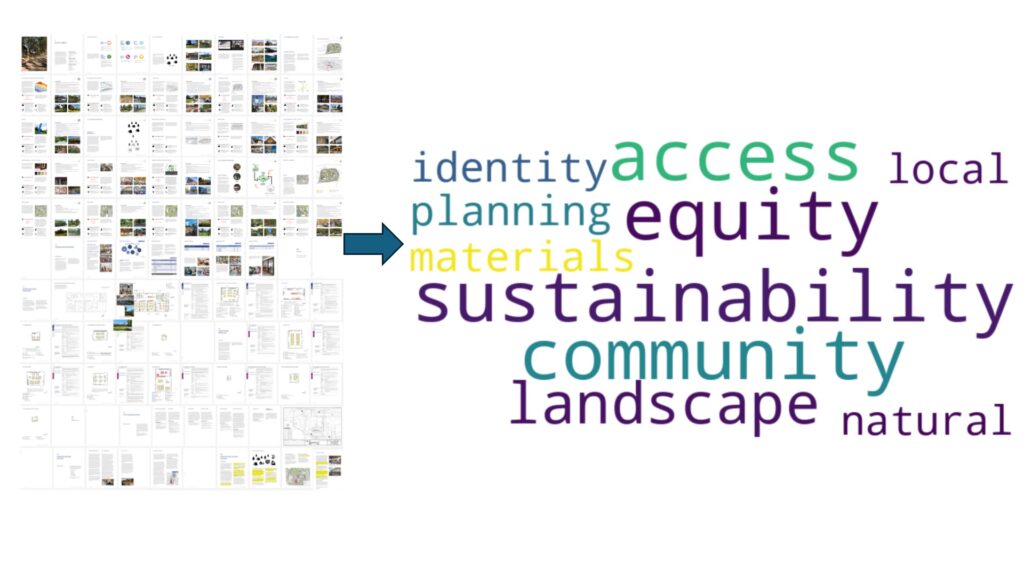
The team had a very short time to synthesize a lengthy RFP, engage user groups, and deliver a compelling concept. “We wanted to ensure that our mission and vision aligned with the client’s key goals for the project,” says Joshi. “We started by distilling the lengthy RFP into a word bubble (pictured below) using AI which helped us pinpoint key project themes.”
Enhancing HMC Architects’ outcome-based approach
The brief called for structured and informal learning spaces, student lounges, and a strong emphasis on user comfort and social interaction. The Californian climate, with its hot summers, required careful consideration for indoor and outdoor thermal comfort and energy efficiency.
To address these, the team identified five performance goals:
- Incorporate user feedback
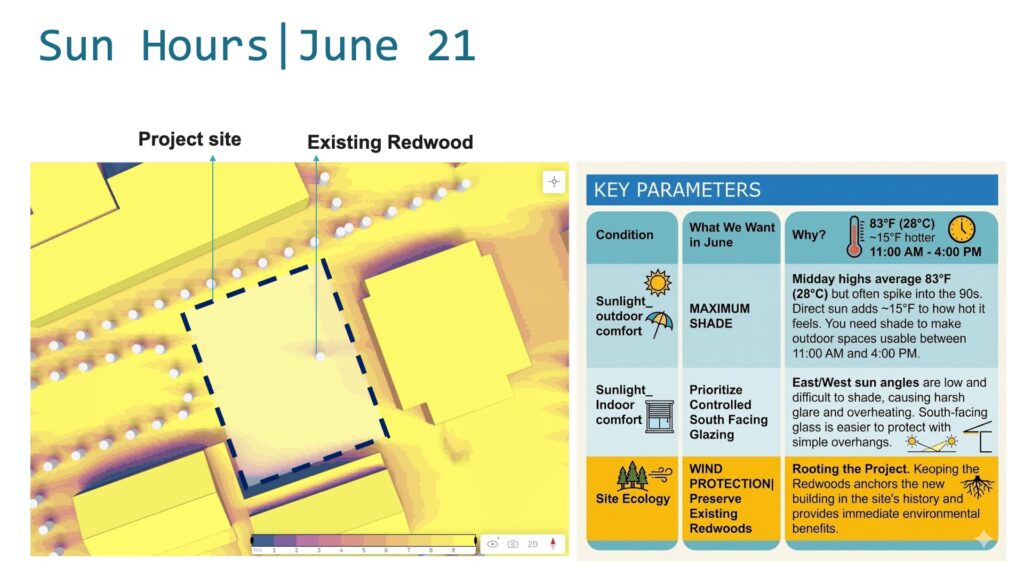
- Maximize southern sun exposure for daylight
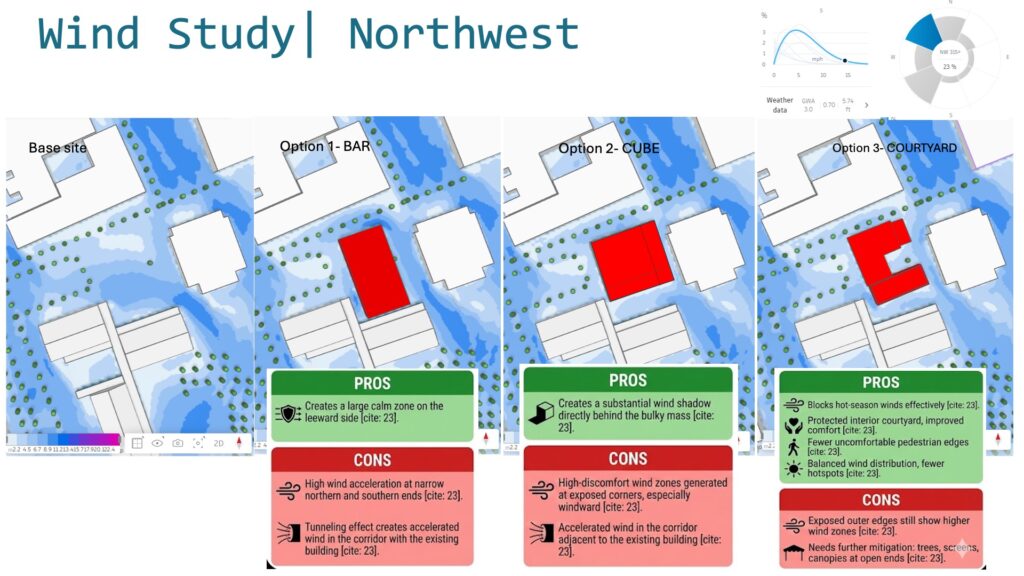
- Avoid uncomfortable wind tunnels
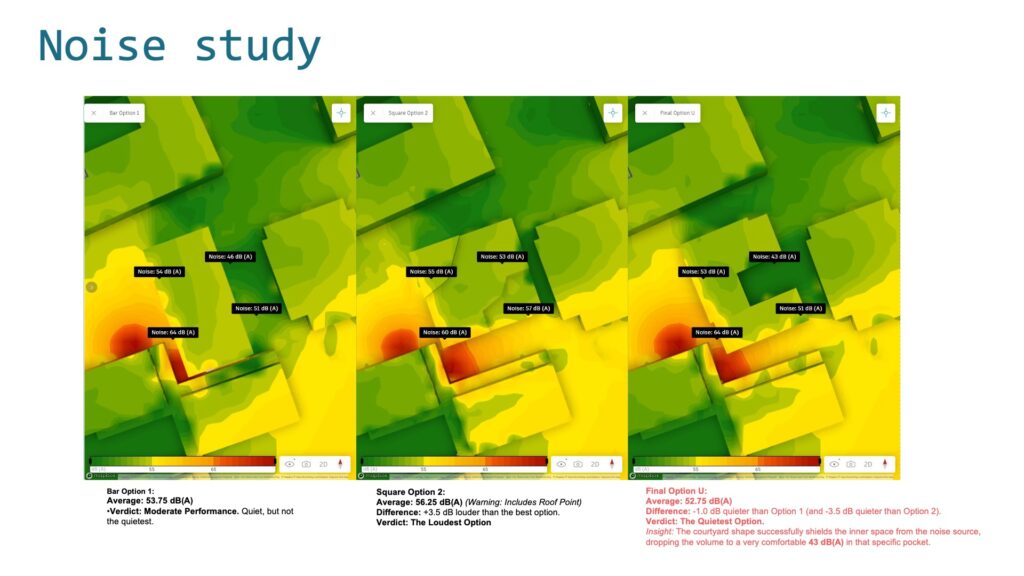
- Mitigate outdoor noise from existing HVAC units
- Preserve an existing redwood tree for climate benefits and a sense of place
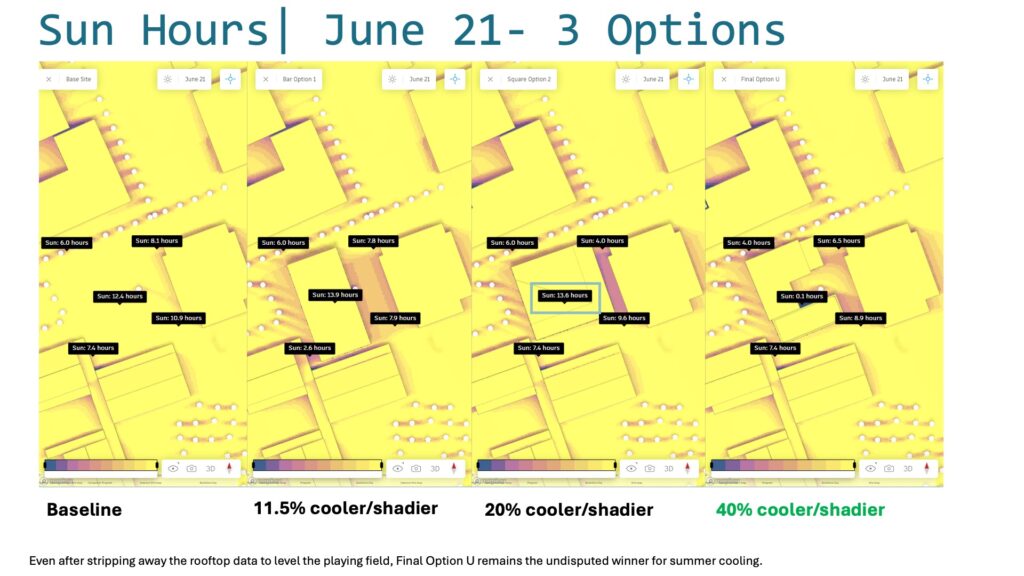
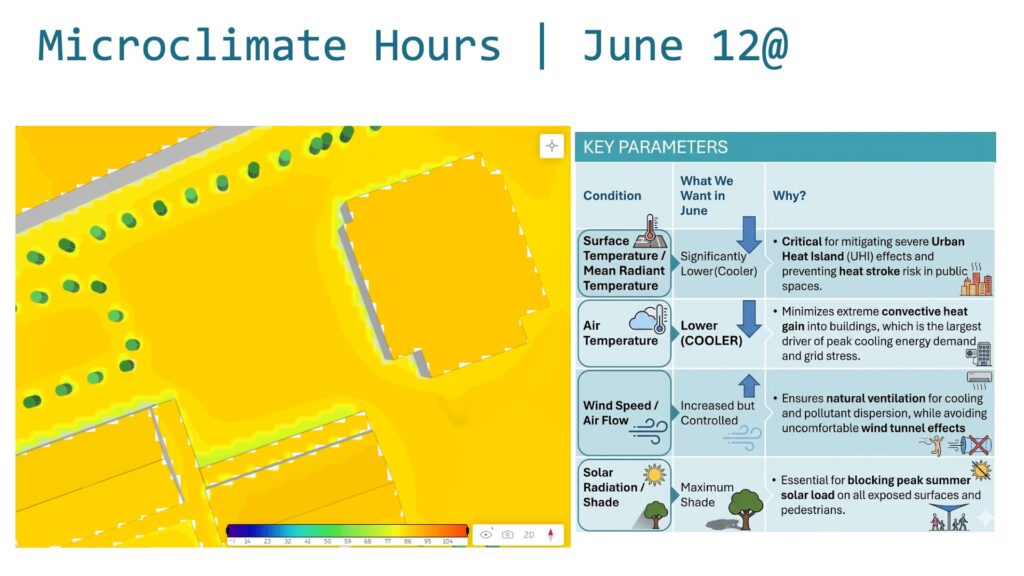
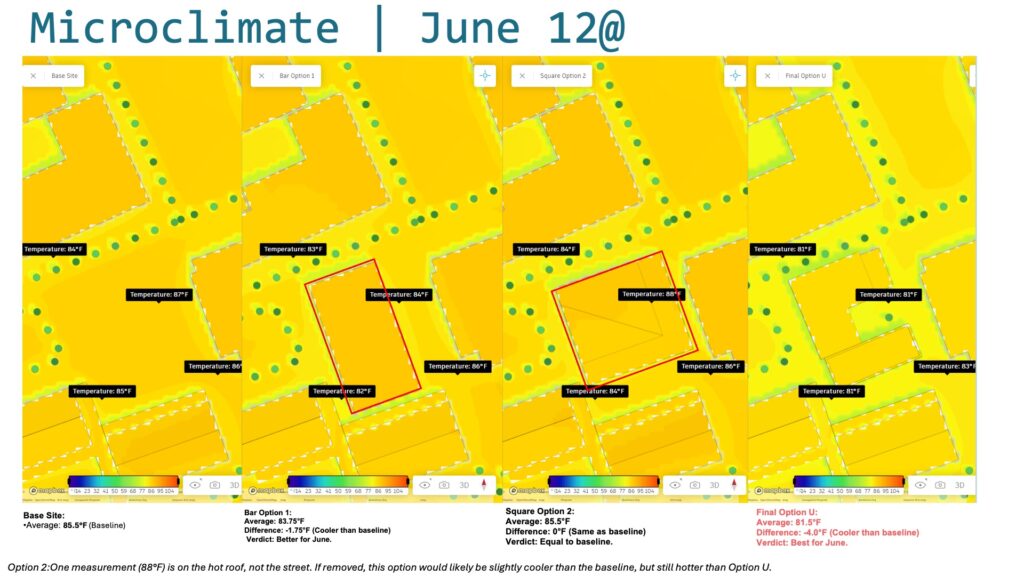
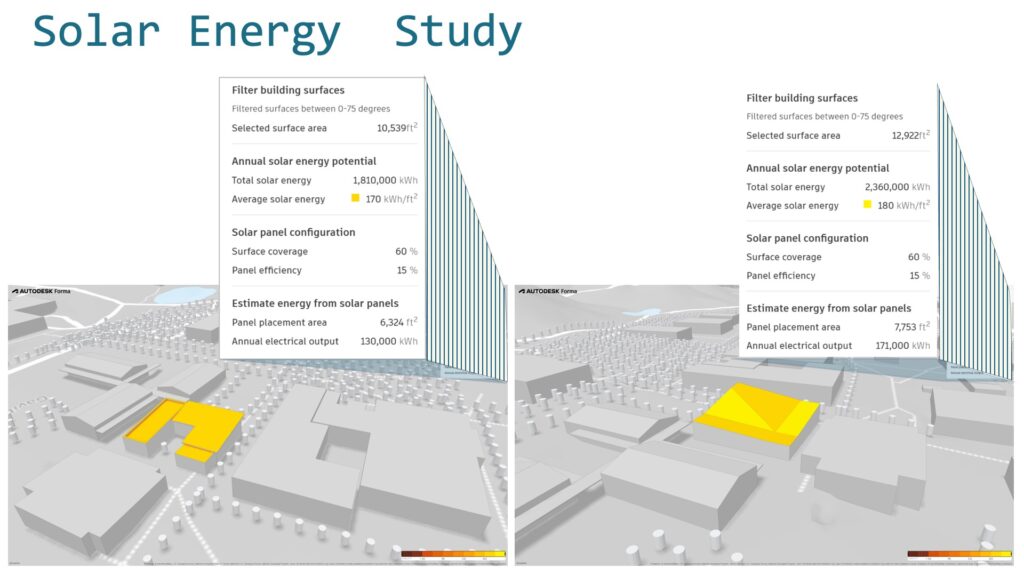
Treating the process as an experiment, HMC Architects developed three massing options—Bar (specified in the RFP), Square, and Courtyard—and used Forma Site Design to test each one for sun, wind, noise, microclimate, and solar energy performance. This is where a thorough site analysis gave the team an understand of existing site conditions. Using tables to evaluate outcomes helped the team make informed trade-offs, ensuring that every decision was backed by data. “Being able to gather and compare everything on one platform helped us move forward quickly from the analysis to the design,” says Venus Emrani, sustainability design analyst at HMC Architects. The data and visuals especially resonated with the scientists and engineers during user engagement meetings.
Using Forma to show the “science behind the design”
Having analyzed the tradeoffs of each option, the courtyard option performed best, balancing sun and daylight conditions with 33% more southern sun exposure. It offered more noise protection and views of greenery to enhance biophilia for users. While it performed less effectively for winter solar gain, it provided better shelter from the wind. Emrani: “Instead of debating the options subjectively, we ran identical simulations on all three. This allowed us to prove that while the Bar was what the client asked for, the Courtyard was actually what they needed—offering superior daylighting and outdoor comfort that the Bar option just couldn’t match.”
For their pursuits, Joshi explains that having data at their fingertips enables easier and earlier building performance analysis. “Forma helps us analyze data quickly to deliver a very data-driven design. Using visual and interactive data, we can support the design with data-informed informed analysis without overwhelming the client with complex numbers.” This leads to more informed client and user conversations, Emrani says, “Because we’re showing the science behind the design.”
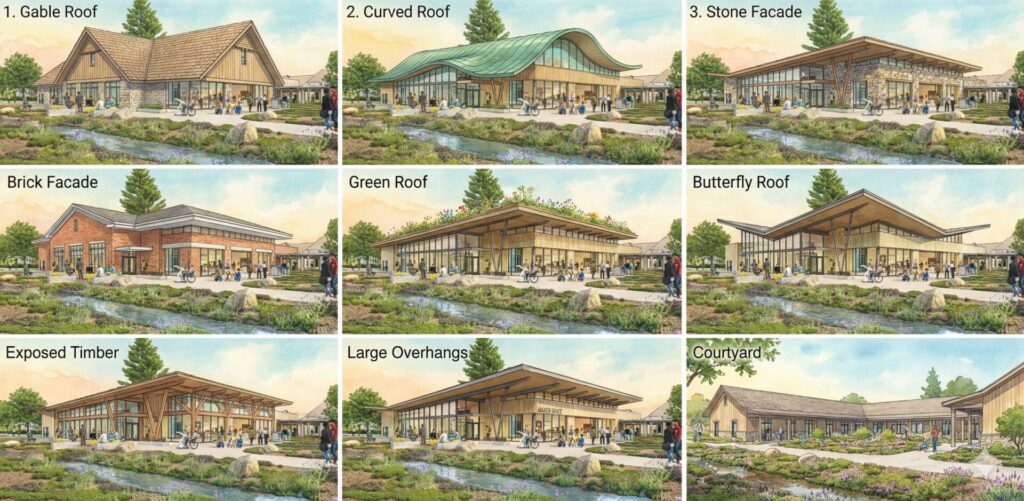
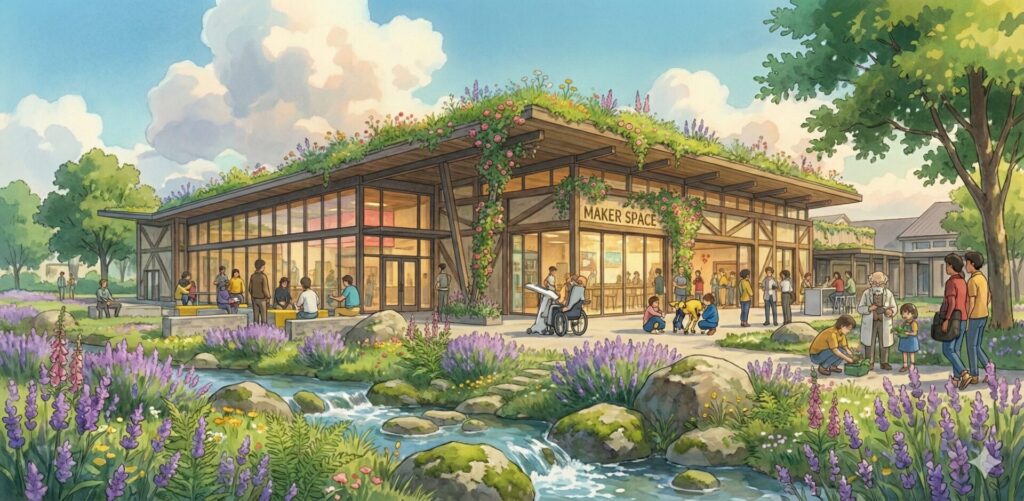
With the data and design flow to test options quickly, it’s easier for the team to develop their concepts in more detail. “Combining Forma and AI image generation has been very useful for doing rapid iterations–and all of this is done without spending a lot of time creating detailed models,” says Joshi. Emrani adds, “We can gather all the data in one place, compare options in parallel, and make changes quickly.” To develop the design further, it can be sent seamlessly to Rhino or Revit.
A more informed and efficient pursuit process brings new opportunities for the firm to remain competitive. “We can significantly reduce the time spent on analyses from days to minutes while increasing the quality of the deliverables. This means we can utilize our resources more efficiently as we now need fewer people working on pursuits. For example, from six to two or three, while still delivering considered, data-driven designs that help us succeed,” Joshi concludes. By leveraging Forma Site Design, HMC Architects delivers climate-responsive proposals grounded in data and user needs more effectively, ensuring that “Design for Good” remains at the heart of their practice.