 Jeanne Tan
Forma Site Design, available in the AEC Collection or as a standalone subscription, offers powerful AI-powered tools for architects and designers in pre-design and schematic design phases.
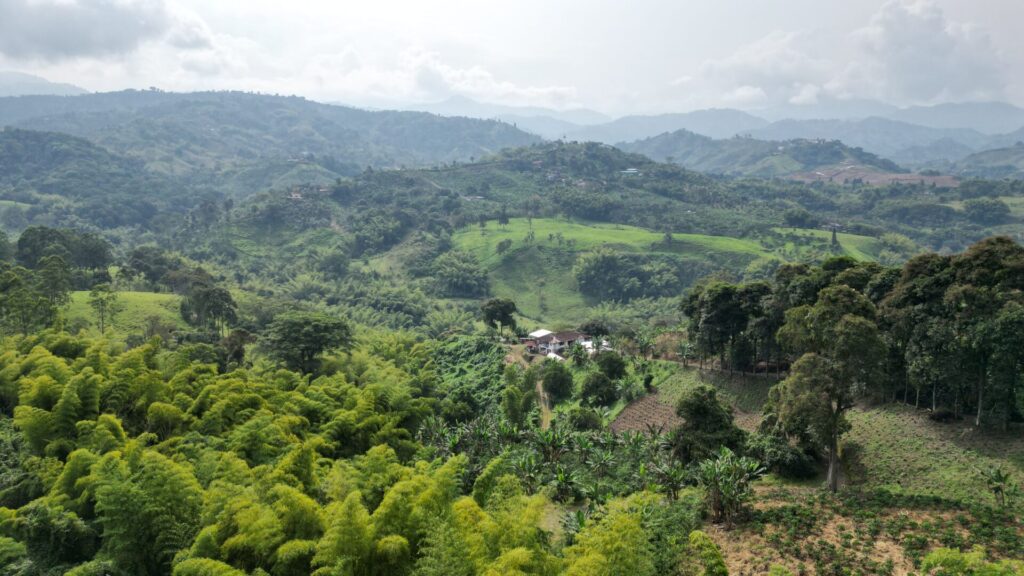
Highlights:
- Forma Site Design helps coffee farmers quickly test multiple scenarios for deploying agroforestry techniques, which shade and protect plants from damage caused by a warming climate.
- By using real-time insights from sun hours and microclimate simulations in Forma Site Design, farmers can remove guesswork to develop accurate, effective shade tree layouts.
- Major outcomes achieved in this pilot include increasing shade coverage from 30% to 42%, reducing coffee borer infestation by 68%, and five times higher production rate than the previous year.
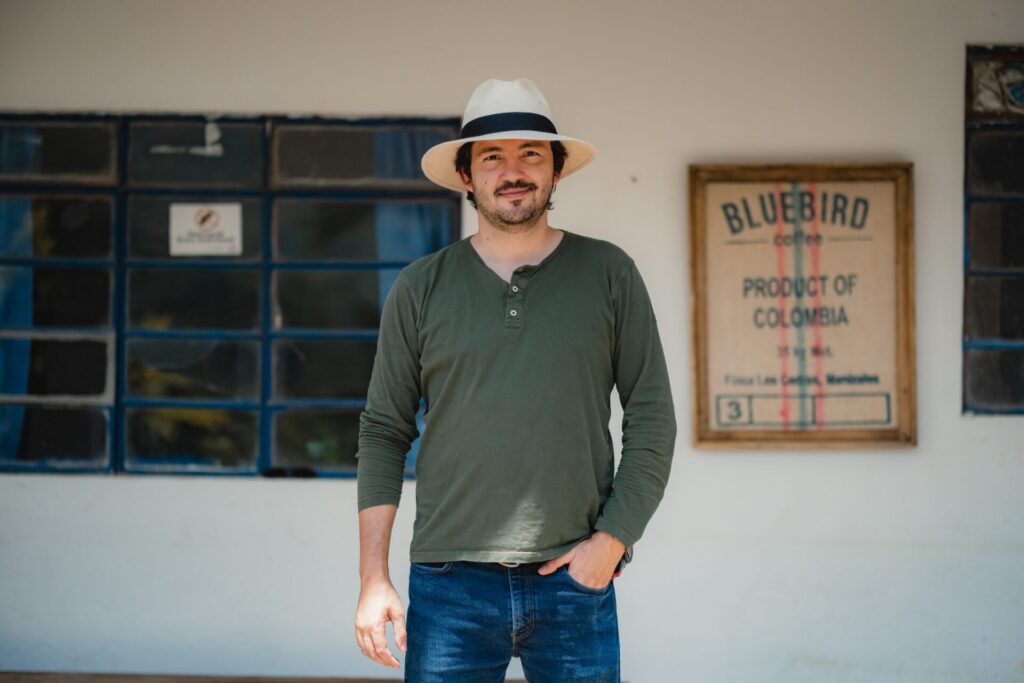
Mechanical engineer and fourth generation coffee farmer Juan David Hurtado Henao spent 15 years helping large AEC organizations with BIM implementation.
Now, he’s using that expertise on a personal front — the sustainability of his family’s coffee farm, Los Cedros. Most of the world’s coffee comes from small family-owned companies like Blue Bird Coffee, which was founded by Hurtado near the town of Manizales in Colombia’s coffee belt. But climate change is threatening their survival.
In this interview, Hurtado describes creating a digital twin of the farm in Autodesk Forma and using Forma Site Design to create effective agroforestry plans that are helping Blue Bird Coffee today — and could help other farmers in the future.
“I asked myself: If Autodesk tools can help me design better buildings and cities, why can’t they help me design and maintain a better coffee farm? This project sits at the exact intersection of everything I care about: technology, sustainability, and the land my family has farmed for generations.”
Juan David Hurtado Henao
Juan David, tell us what challenges you’re facing at Blue Bird Coffee.
Arabica is sensitive. It thrives with moderate temperatures, predictable rainfall, and soil containing the right amount of moisture. But around the world, climate change has scrambled normal weather patterns, creating more heat, more drought, and more extreme storms. Climate change has also fueled the spread of coffee’s main enemy — Broca, or the coffee berry borer. The pregnant female bores into the ripening coffee cherry and lays eggs; as the larvae develop, they feed on the developing coffee bean. Research shows that as temperatures go up, this beetle spreads more easily and does more damage.
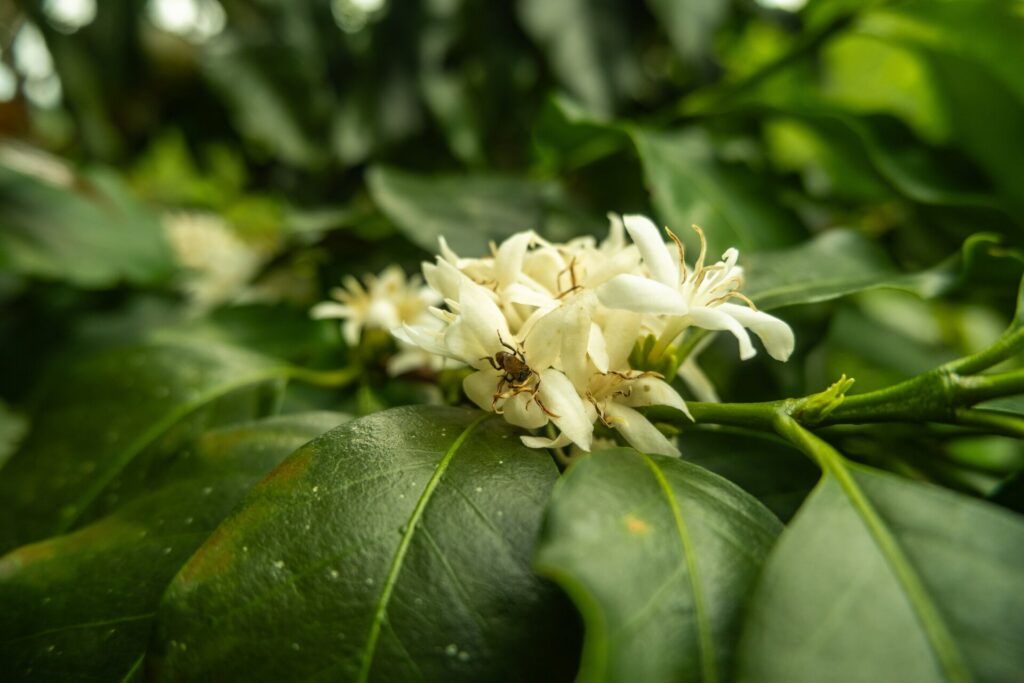
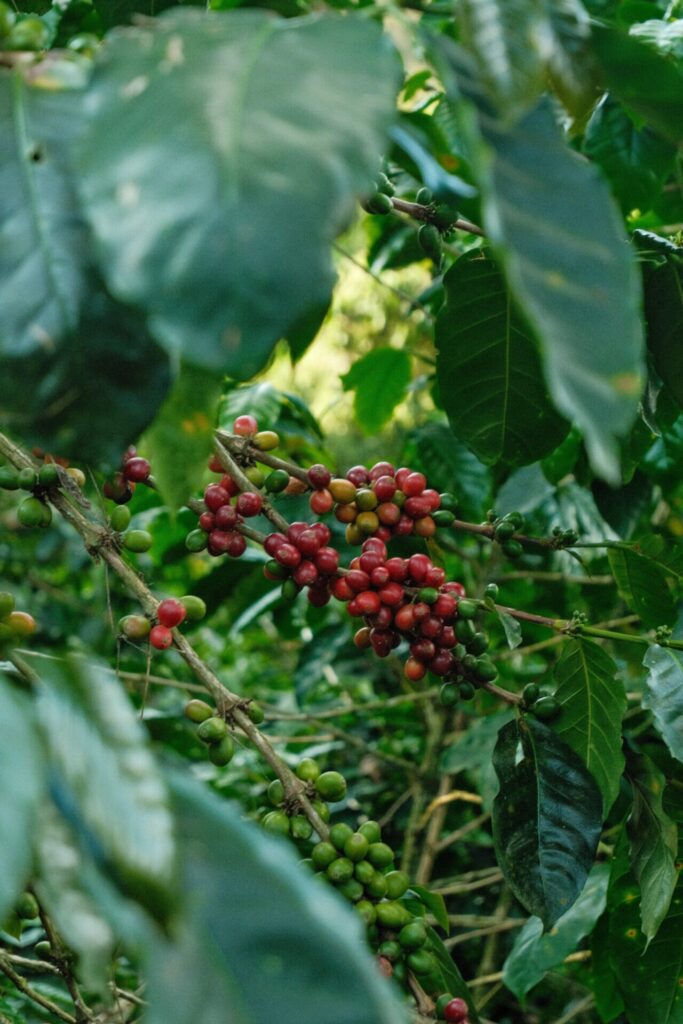
Together, these factors are devastating coffee production worldwide. The organization World Coffee Research has estimated that half the land used for Arabica production will be unsuitable by 2050. At Blue Bird Coffee, we’ve seen the changes firsthand. Compared to peak production 25 years ago, we were looking at an 80% drop in yield. One promising solution is agroforestry, where farmers combine trees and crops, using shade to cool and protect the coffee plants.
Well-designed shade systems also stabilize microclimates and improve moisture retention. They mimic natural ecosystems and increase biodiversity in a variety of ways, such as adding habitat for birds and insects. Ultimately, implementing agroforestry principles can boost pollination rates and natural pest control while reducing chemical use and promoting water efficiency. The problem is that farmers don’t have good planning tools. We’ve been basically guessing where to plant trees, then waiting years to see if it works. That’s not a great strategy when the climate window is closing.
How did Forma Site Design help?
When you design a shade system, you’re aiming at a target shade percentage — but that depends on tree species, planting density, plot location, altitude, orientation, and seasonality. Farmers are improvising without accounting for all these variables. The simulations in Forma Site Design are transformative. They essentially offer you a time machine. With the right data, we could simulate various banana and plantain layouts and see how much shade they provided on any date for years into the future — before a single tree went in the ground. And then we could choose the best layout for our circumstances.
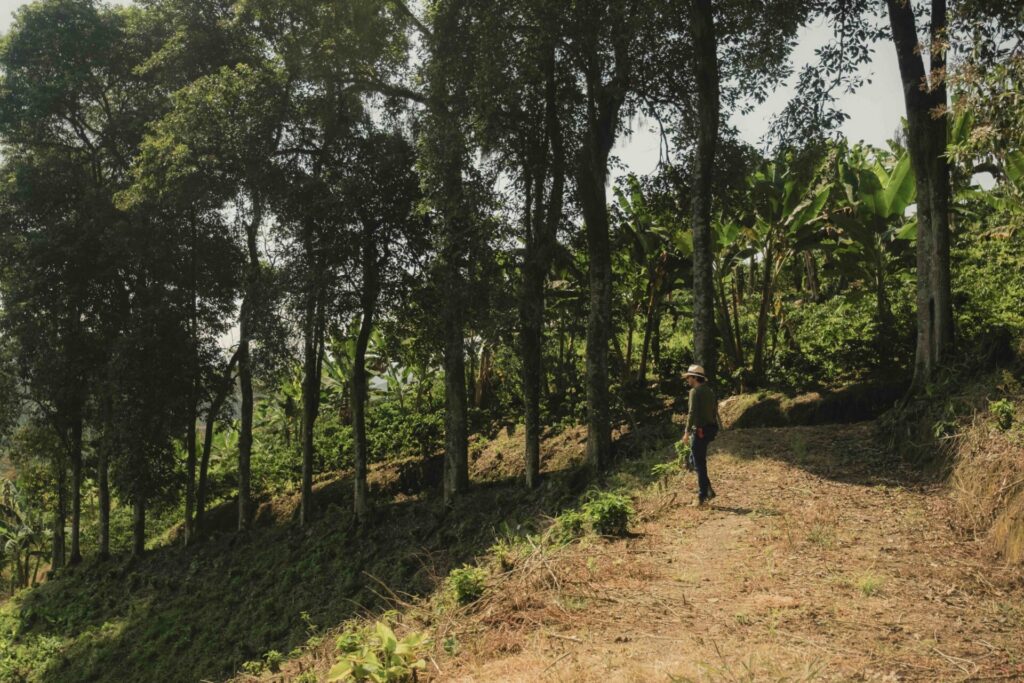
Ultimately, we compared the tree plantings completed by my father in 1980, which gave us about 30% shade cover, to the additional tree planting we did in 2024, which brought our cover to a little over 42%. We also compare the performance of those layouts to an optimized agroforestry layout, which would boost our shade cover to 50%. By offering this kind of foresight, Forma Site Design can help farmers around the world make the right decisions ahead of time — not just for coffee, but for any shade-dependent crop.
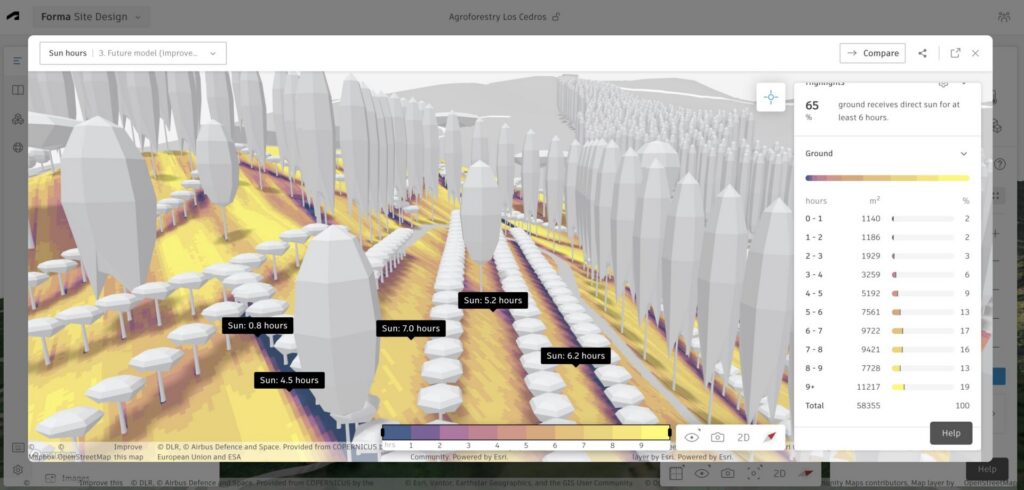
We’ve benefited from two primary capabilities in Forma Site Design. Sun hours analysis (pictured above) identifies which parts of the farm receive the most intense and sustained radiation, and at which times of day and year. Microclimate analysis (pictured below) identifies cooler and warmer zones. These allow us to pinpoint where shade is needed most and which planting plans will achieve that. They remove the guesswork and replace it with data.
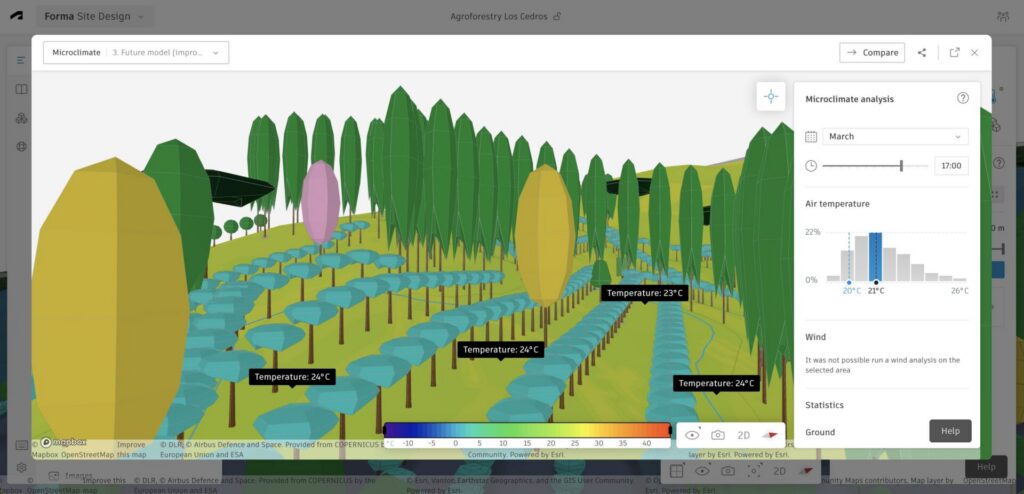
This method is also incredibly fast. The ability to build digital models quickly, analyze them, and get almost immediate results is remarkable. Here, agriculture isn’t that different from construction: detailed environmental simulations can be very time-consuming. Forma Site Design collapses that cycle, so you can explore multiple scenarios without a heavy computational cost. That speed changes the way you think. Simulation becomes a natural part of the design conversation, rather than just a final validation.
How did you use Forma Site Design as part of a connected workflow?Step one was creating the digital twin in Forma Site Design. We modeled our farm topography, geographic location, and sun orientation throughout the year.
Step two was putting field data in Autodesk Forma (formerly Autodesk Construction Cloud). We use Forma Issues API and Forma Photos API to track reforestation progress, identify pests and diseases, log Brix levels — which measure sugar content in the coffee cherry — and record other field observations. The key advantage here is that all this data is geolocated with GPS coordinates. Every time we take a picture of a pest or a blossom, we always know exactly where in the farm it came from. We also added my father’s detailed farming notes from the past 25 years. This effort is intended to support a later phase currently under development, where these datasets could be connected with knowledge databases created by coffee research centers to generate valuable real-time insights for coffee cultivation.
Step three is connecting it all with Autodesk Platform Services (APS). We use APS APIs to extract that structured, geolocated data from Forma and connect it to mapping applications and custom workflows. This turns raw field data into actionable insights.
What improvements have you achieved?
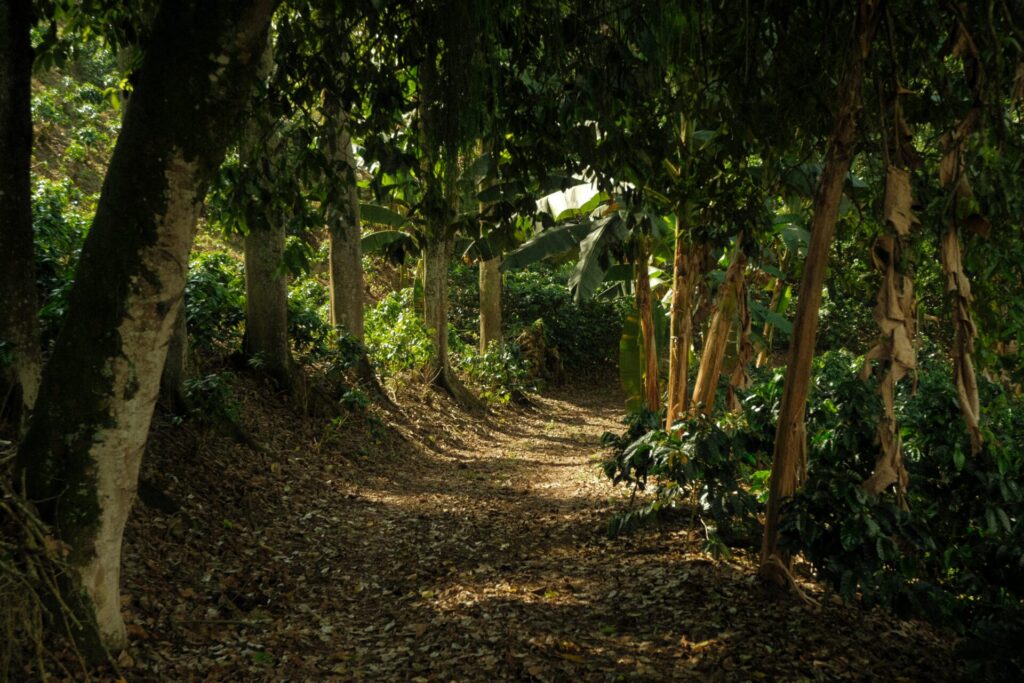
In this two-year pilot, our farm increased shade coverage from about 30% to about 42%, and reduced coffee borer infestation by about 68% – to the best level we’ve ever recorded, even while reducing chemical inputs. So far this year, our production is five times higher than last year; this suggests our yields are starting to stabilize.Our loss rate from defective beans, which had been marching upward for the past three years, has now declined from 11.31% to 4.55%. Our flavor measurements are the best they’ve ever been, achieved through a traditional low-water washed process, without venturing on experimental fermentations with room for even greater complexity ahead.
We’ve definitely noticed an increase in biodiversity — more birds, more insects, more activity. Science predicts that this will happen, as the shade creates microclimates with a more suitable environment for wildlife. Science also predicts that this will help the farm; agroforestry systems are associated with a 58% increase in pollination and up to 60% more natural pest control (Challender, 2022).*
As our data collection matures, it will be a natural next step to track other key indicators such as biodiversity, soil moisture, and carbon sequestration.
Overall, we’ve really benefited from our ability to see patterns within the data. Once we use APS to extract data and lay it over our farm model, we can see which areas need more attention, which interventions are working, and where quality is highest. That’s a fundamentally different way to manage a farm. We’re building proof that Autodesk tools can be a serious part of the agricultural sustainability toolkit. Sustainability isn’t a side benefit here — it’s the whole point.
What’s next for Blue Bird Coffee and Forma Site Design?
Going forward, I’m interested in creating custom tools that would ultimately help many other farmers. I’m reaching out to agricultural foundations, sustainability organizations, and agrotech companies — anyone who wants to provide better technical support so that all the farms that feed us can be resilient and sustainable far into the future. As the initiative continues to evolve, we’ll also be sharing project updates and new developments through the Blue Bird Coffee website and on Instagram at @bluebcoffee.
All imagery courtesy of Blue Bird Coffee.
* Reference: Challender, J. (2022). Terroir: Coffee from Seed to Harvest.