 Arne Bjelland
Forma Building Design, available in the AEC Collection, Revit standalone license, and Forma for Buildings bundle, helps architects explore more ideas before it’s time for BIM.
As Principal Product Manager for Autodesk Forma Building Design, a big part of my work involves testing what we build with the people who will rely on it every day. Getting user feedback gives us clear input on the direction we should take in the development of the product. The whole team is involved, from the software engineers to UX designers, so they can engage with users directly and really see how they react. This is such a valuable learning process for everyone.
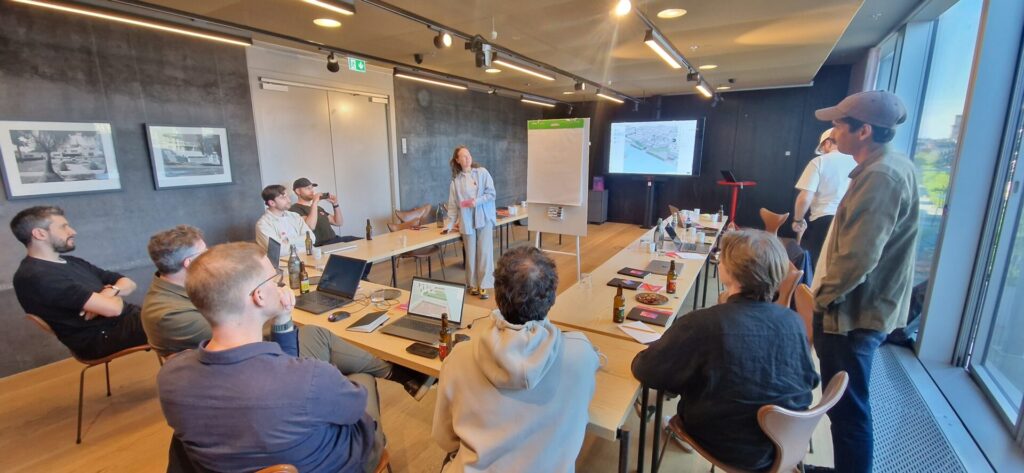
For the development of Building Design, we’re collaborating closely with architects working in the schematic design phase. They’re often looking for easier tools to quickly model detailed buildings and play with more design options. As an architect myself, I can definitely relate!
We invite architects into the development process from the very beginning continuing as the product takes shape until launch and after launch. The collaboration starts long before a single feature is even mapped out. In the earliest stages, it’s about listening and having open conversations that help us understand the challenges about what gets in the way of their work. Instead of pitching features, we ask open questions: What’s hardest about this workflow today? Where do existing tools cause bottlenecks? What does “success” look like in a real project context?
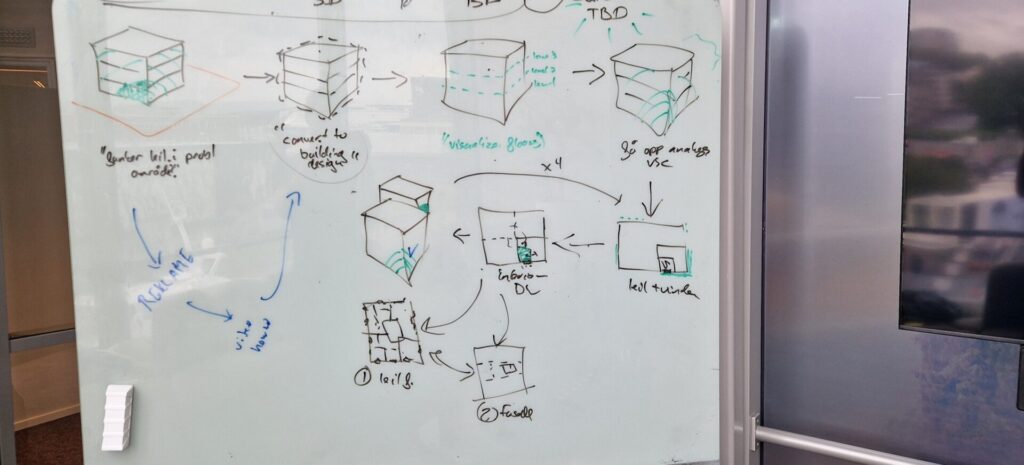
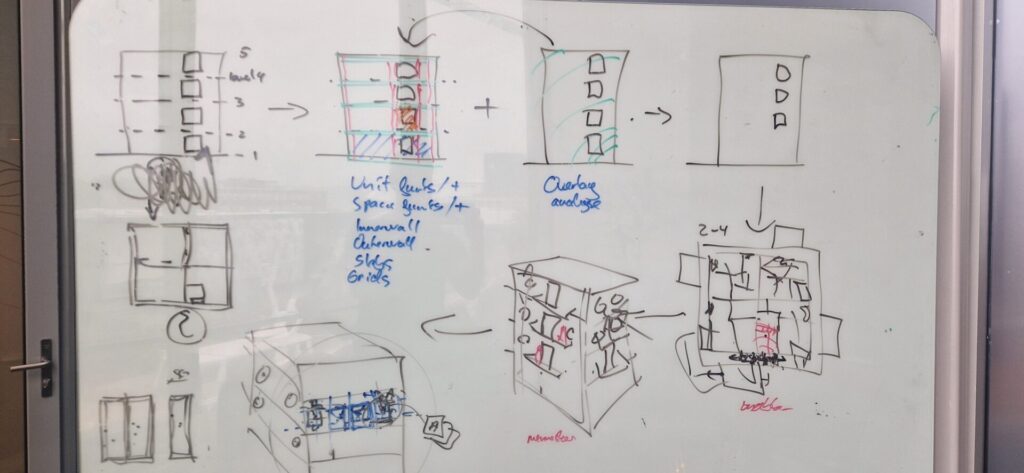
When testing early prototypes and more mature features later, we ask them to complete specific tasks based on what we want to test. For example, does the workflow make sense when you start designing the facade in parallel with the interior layout (inside-out vs outside-in) or create apartment layouts to meet unit mix requirements. In a later stage of testing, we’ll set a fun design competition that combines a series of tasks resembling their design workflows – more on that in another blog post.
During testing, it’s important to communicate to users that there are never any wrong answers! In many cases, learning what does not resonate with them is even more valuable for us than hearing feedback about something that partially works.
What’s interesting is that people don’t have to be vocal to give feedback. Visual clues in their expression and body language are just as important. When someone lights up immediately, this tells us that they understood the feature. Confusion, hesitation, a neutral expression points us to areas for improvement – as mentioned, often negative or neutral signals tell us more than ambiguous positive reactions. This honest feedback gives us an even deeper understanding of our users’ needs and a clearer direction we need to take to make the product even better for them.
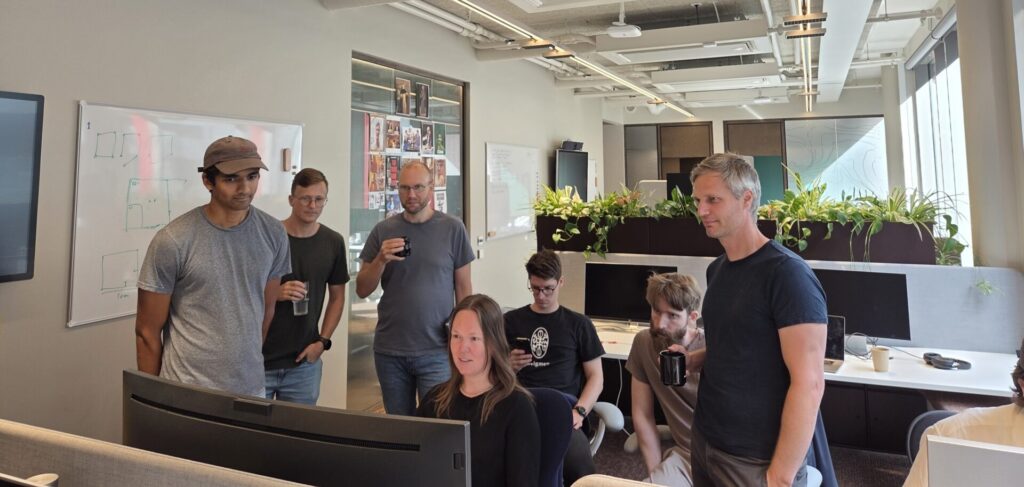
During our feedback sessions, our users are always excited when they see that their previous feedback has been considered and it’s made a visible impact in the product development. That’s why it’s so important to complete feedback loops like this. It’s incredibly rewarding to see users give feedback with such enthusiasm–we’re so grateful for their time considering their busy schedules.
It’s these valuable partnerships that help us, as a team, create a product architects value and enjoy using every day. From the Forma Building Design team, I want to say a big thank you to our community for their invaluable help and we can’t wait to see the projects you design with it!