 Brandy Ryan
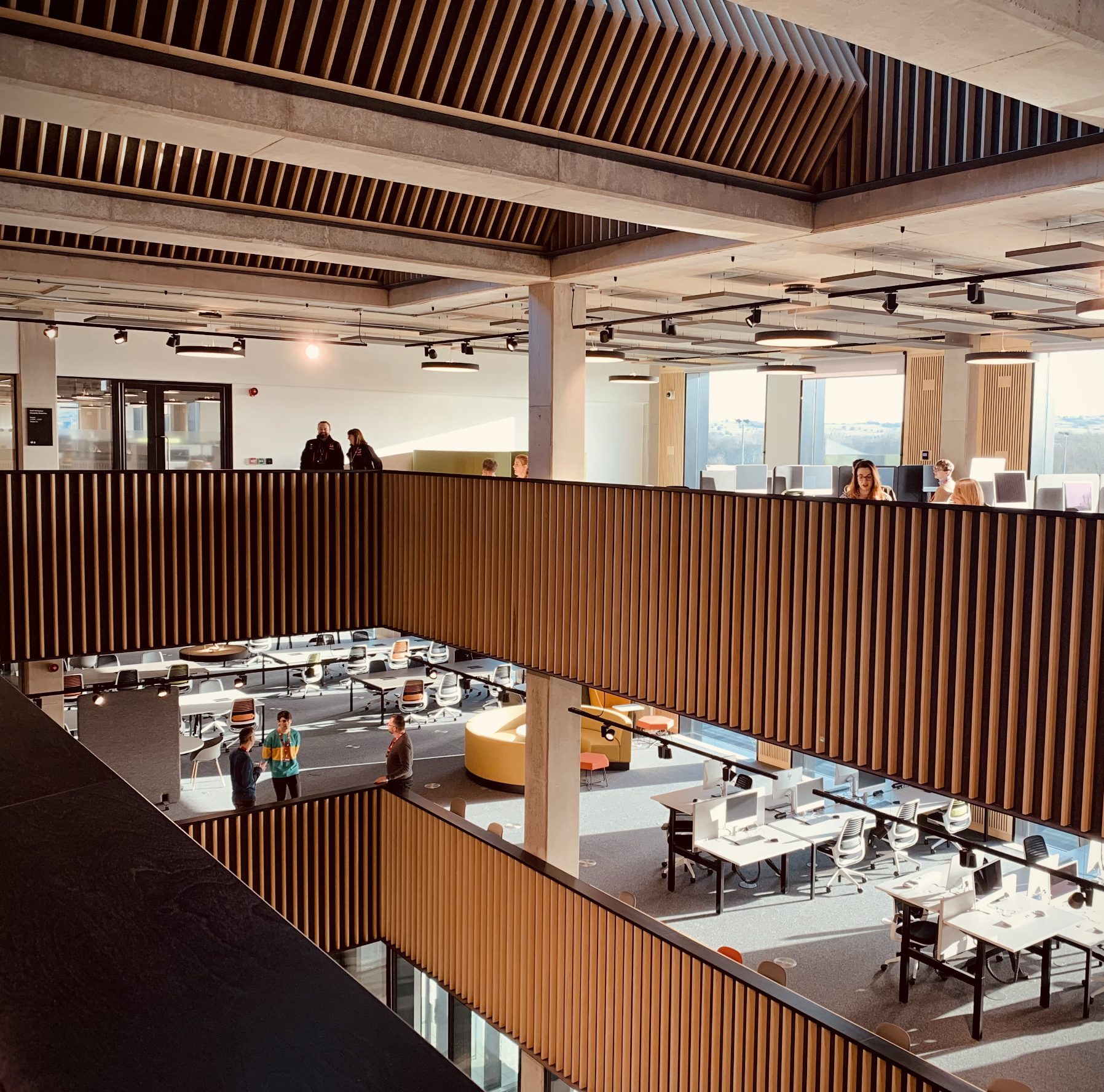
Transport design education is evolving under competing pressures: rapidly advancing digital tools, the rise of AI-assisted workflows, and industry demand for graduates who can think across disciplines while still mastering fundamentals. At the University of Staffordshire, the relaunched Transport Design program is addressing these pressures by combining craft-based making, digital fluency, and strong industry engagement without losing sight of how designers actually work in studios.
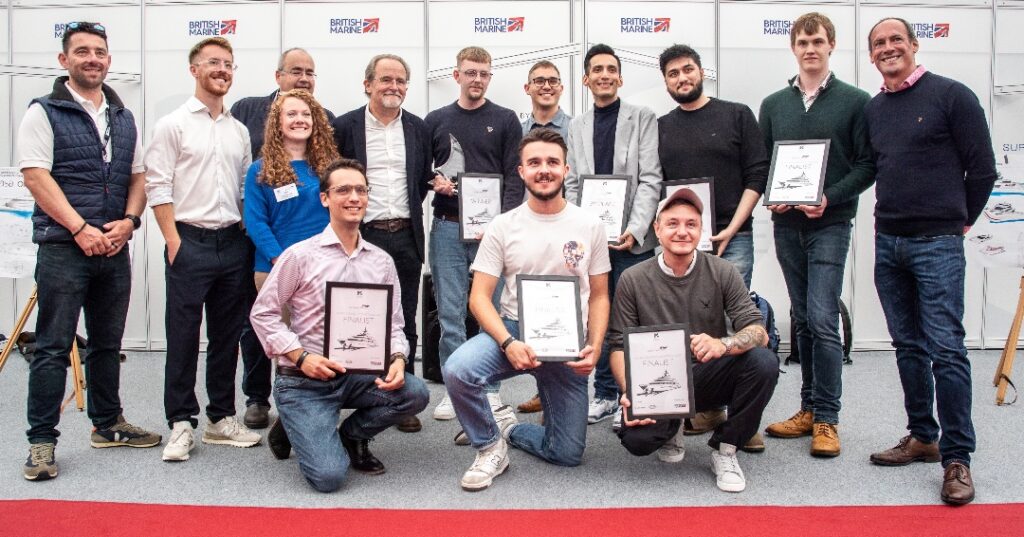
Led by Dr. Dan Lewis, Course Director for Design, and Richard Gilmartin, Course Leader for Automotive and Transport Design, the program reflects decades of combined experience across OEM studios, visualization teams, and higher education. Their shared goal is not to create narrowly defined “car designers,” but adaptable, industry-ready creatives who understand surfaces, systems, and storytelling whether working in clay, CAD, or emerging AI-driven pipelines.
“Transport design isn’t one skill — it’s an ecosystem of skills, and students need to understand how they connect.”
Richard Gilmartin
Autodesk’s Pierre-Paul Andriani (Enterprise Technical Sales Specialist) spoke with Lewis and Gilmartin about the program, the students, the future.
Listen to the full podcast and/or read through our story below.
Transport design as a multi-disciplinary hub
Historically, transport design at Staffordshire existed within a broader design ecosystem. Until recently it functioned as a pathway rather than a fully independent program. Over the past few years, it has been reshaped into a distinct program with its own identity, studio culture, and industry-facing ambition.
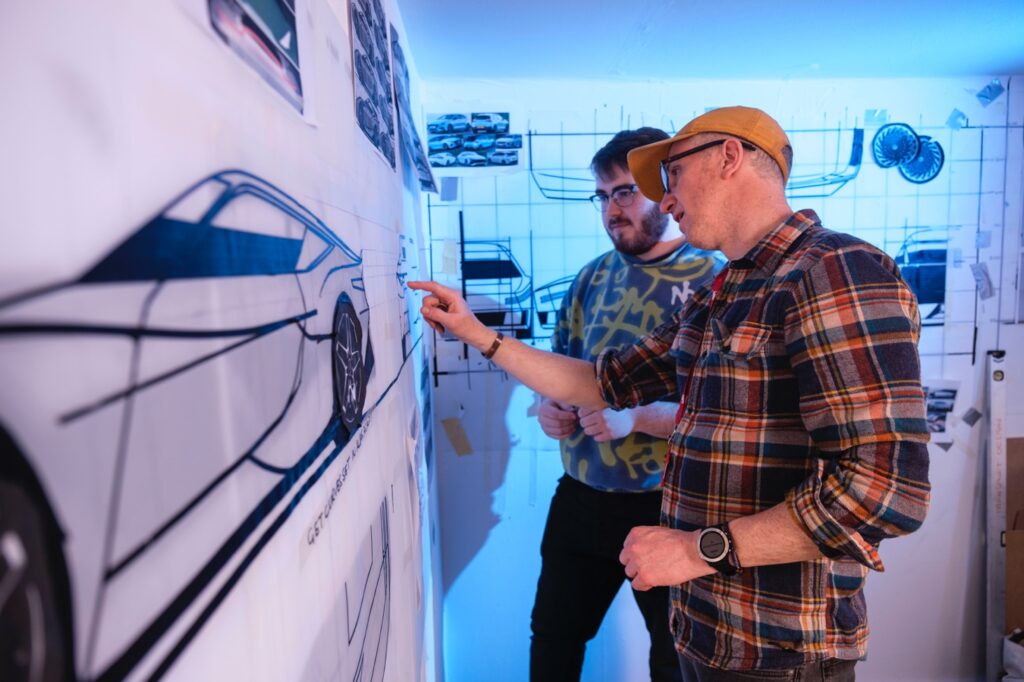
This shift was less about growth in scale and more about clarity of purpose. Staffordshire is not trying to compete with larger institutions for cohort size. Instead, the emphasis is on engaging students deeply in smaller classes and providing them with one-to-one support. Gilmartin’s arrival brought renewed industry connections and a curriculum more explicitly aligned with contemporary automotive and mobility practice. Lewis’s background in both product design and emotional design research helped broaden the program’s conceptual scope.
The result is a course that sees transport design not as a silo, but as a multidisciplinary hub: one that reflects how design teams actually operate in OEMs and consultancies today.
“Giving the course its own identity has helped students feel part of something — and helped industry understand what we stand for.”
Dan Lewis
Building from the foundation up to independent practice
The Automotive and Transport Design program is structured as a progression from an explicit foundation in the fundamentals to a self-directed design approach. At the BA level, students often arrive with limited exposure to transport design as a discipline. The first year focuses on building core skills — hand sketching, analogue techniques, and early digital workflows — while introducing students to the breadth of opportunities within the design industry.
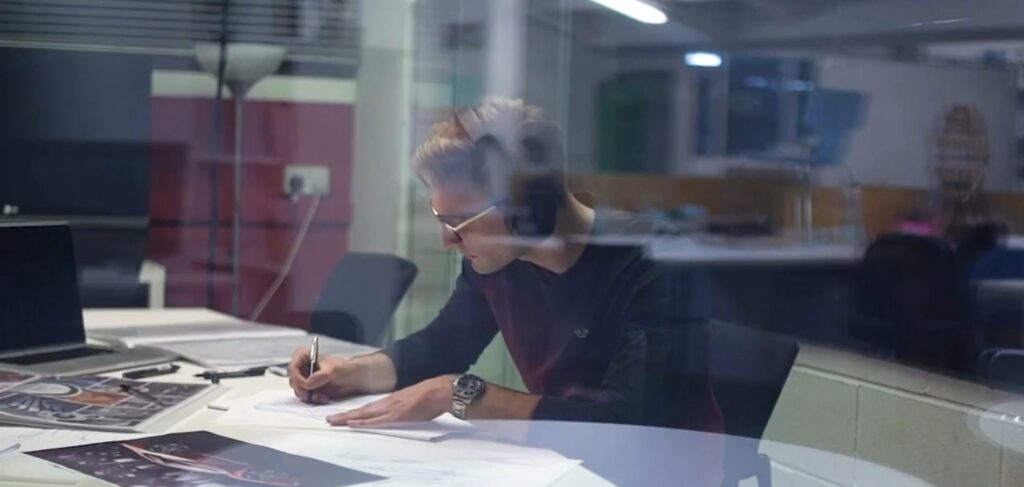
In the second year, those core skills are combined in live industry projects, where students begin working with real briefs, clients, and constraints. By the third year, students are expected to define their own direction through a major project aligned with their career aspirations.
At postgraduate level, the Master’s by Negotiated Study reinforces and deepens student autonomy. Students propose and shape their own projects, supported by academic supervisors, often blending automotive design with visualization, UX/UI, AI experimentation, or animation. Students have to negotiate their projects with supervisors, and this itself is part of the learning; students are challenged to raise their ambition rather than play it safe.
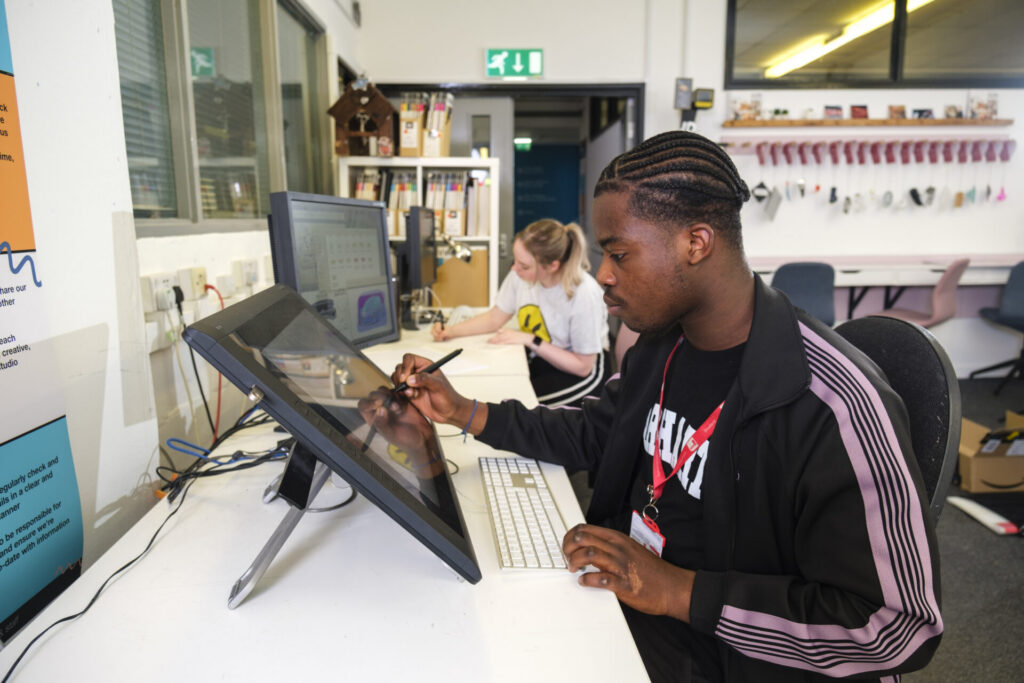
“That final stage is about independence — students owning their decisions, their process, and their outcomes.”
Dan Lewis
Making as thinking
Despite increasingly digital workflows across the automotive industry, Staffordshire maintains a strong emphasis on physical making. Clay modelling, ceramics, and workshop-based processes are central to the curriculum, not as heritage practices but as tools for understanding form, surface logic, and proportion.
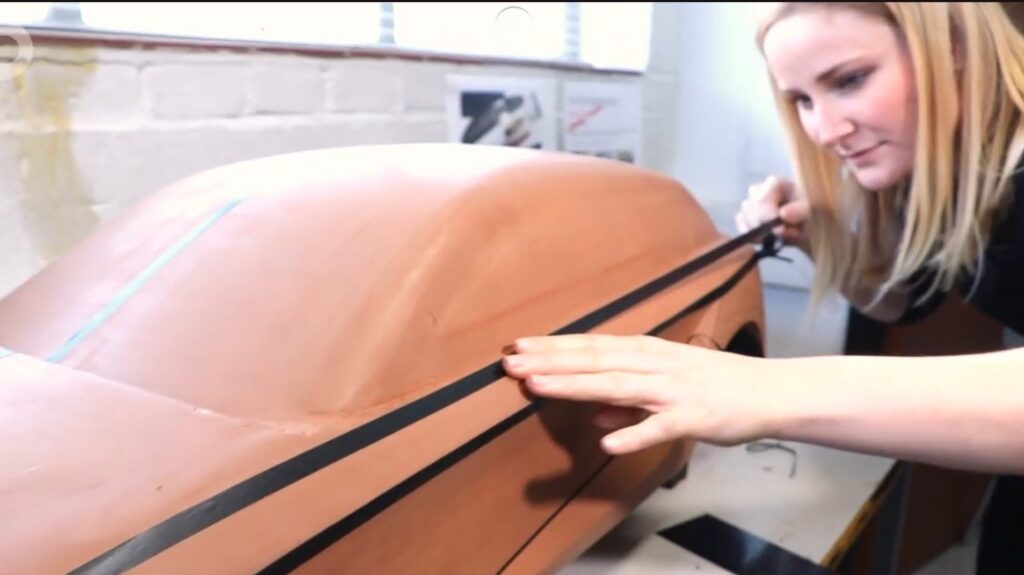
Students quickly discover that working with clay leaves little room for shortcuts. Surface quality, transitions, and structure must be understood physically before they can be mastered digitally. These experiences feed directly into stronger sketching, CAD modelling, and visualization.
“With clay, there’s no hiding — it forces you to understand surfaces in a very direct way.” Richard Gilmartin
Industry-embedded education
Live briefs and placements are central to the curriculum. Students meet real clients at the start of a project, present interim reviews, and deliver final outcomes to industry professionals. This exposure raises standards in a way that internal briefs simply can’t replicate.
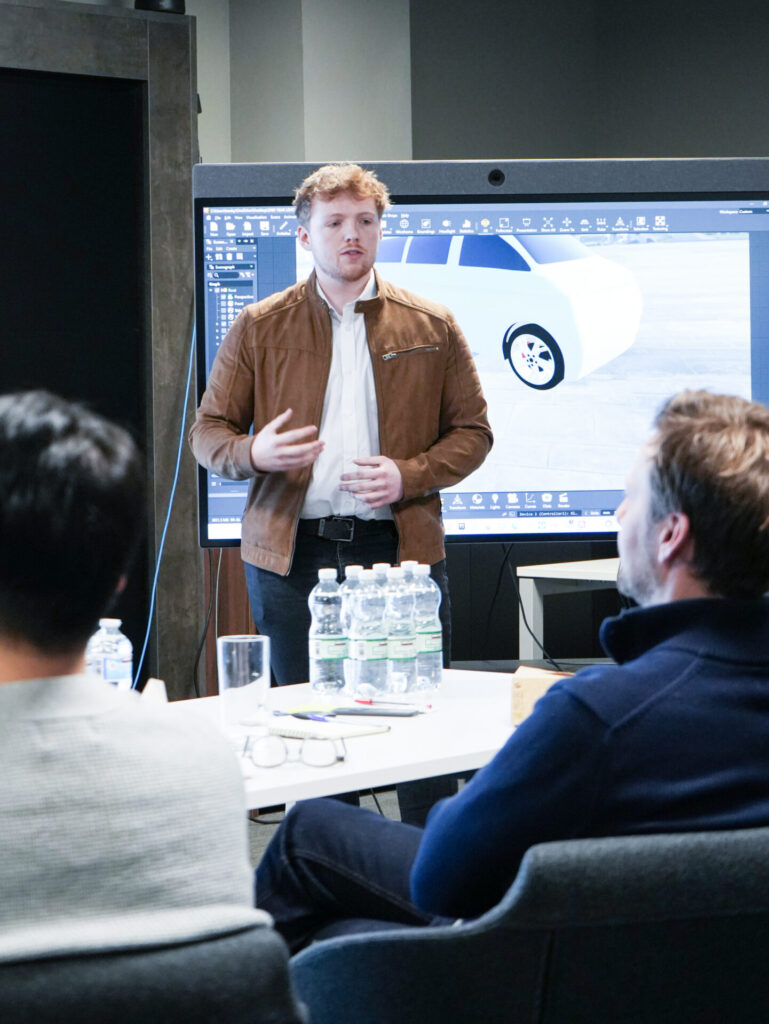
Partnerships have included OEM-backed projects, start-ups, and long-running collaborations such as taxi and mobility-focused briefs. In some modules, students move rapidly from clay modelling to digital build, rendering, and animation in just six weeks, a condensed but realistic simulation of studio practice.
“Nothing sharpens a student’s focus like presenting to someone who actually works in the industry.”
Dan Lewis
Multidisciplinary exposure as cross-pollination
Extending the breadth of their education, these Transport Design students share modules with product, furniture, ceramics, architecture, and fashion students, particularly in early years. While some students initially resist stepping outside a purely automotive mindset, this cross-pollination consistently strengthens outcomes.
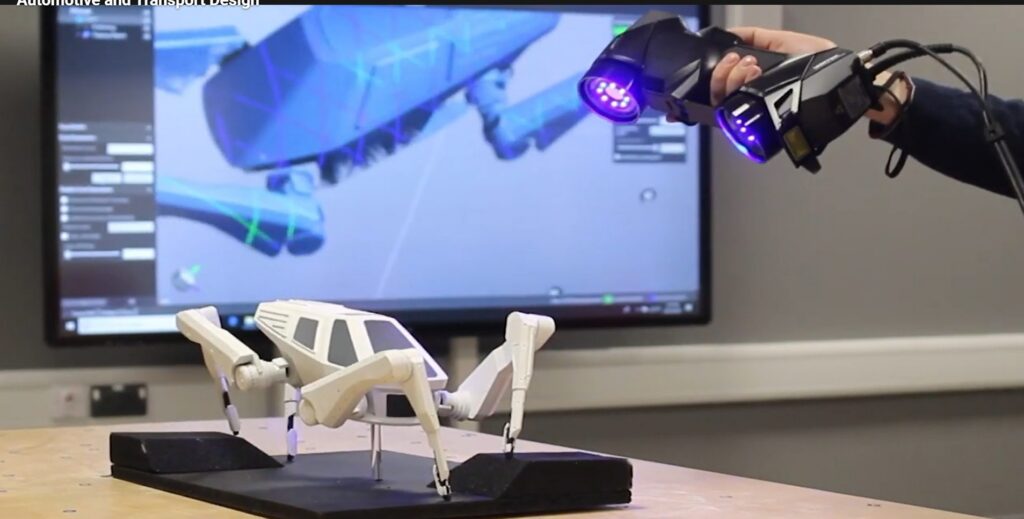
Exposure to materials, processes, and design thinking beyond vehicles broadens reference points and helps students develop more original, informed solutions. In final-year projects, the influence of these adjacent disciplines becomes evident in CMF (Color, Material & Finish), interior thinking, and concept narratives.
“Looking beyond cars doesn’t dilute transport design; it gives students an edge they don’t realize they need yet.”
Richard Gilmartin
AI as accelerator, not author
Like most design schools, Staffordshire is navigating a spectrum of student attitudes toward AI that range from anxiety to enthusiasm. The program’s response has been to address AI openly and early, framing it as a tool within a wider design process, not a substitute for authorship or judgement.

Students are taught what responsible use looks like: exploring variations and supporting visualization, understanding the limits of generative outputs, discussing issues of academic integrity and originality. Crucially, staff emphasize that AI-generated outputs often lack intent, narrative, and context unless guided by a skilled designer.
“AI can generate options, but it often averages what already exists — very surface level, very conventional. When you want that fresh, new magic touch that informs meaning, story, and judgement, you’ve got to rely on humans.” Richard Gilmartin
Turning student work into careers
As students approach graduation, advice from staff emphasizes pragmatic career choices. While their aim for a “dream role” matters, being open to adjacent opportunities often leads to stronger long-term outcomes. Early roles build experience, momentum, and networks that eventually unlock more specialized positions.
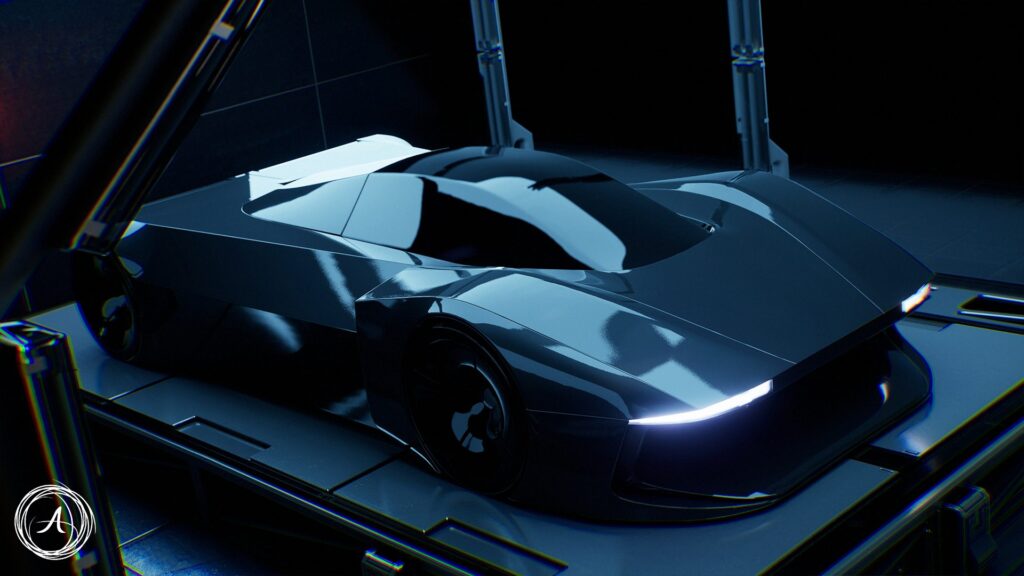
“Careers rarely move in straight lines — momentum and relationships matter just as much as talent.”
Dan Lewis
Collaboration as contemporary design practice
Looking ahead, the program aims to extend and deepen the current collaboration across disciplines, reflecting how design teams operate in practice. This cross-disciplinary exposure, including architecture, fashion, ceramics, and product design, offers students more opportunities to learn and strengthen their own identities while working alongside other specialists.
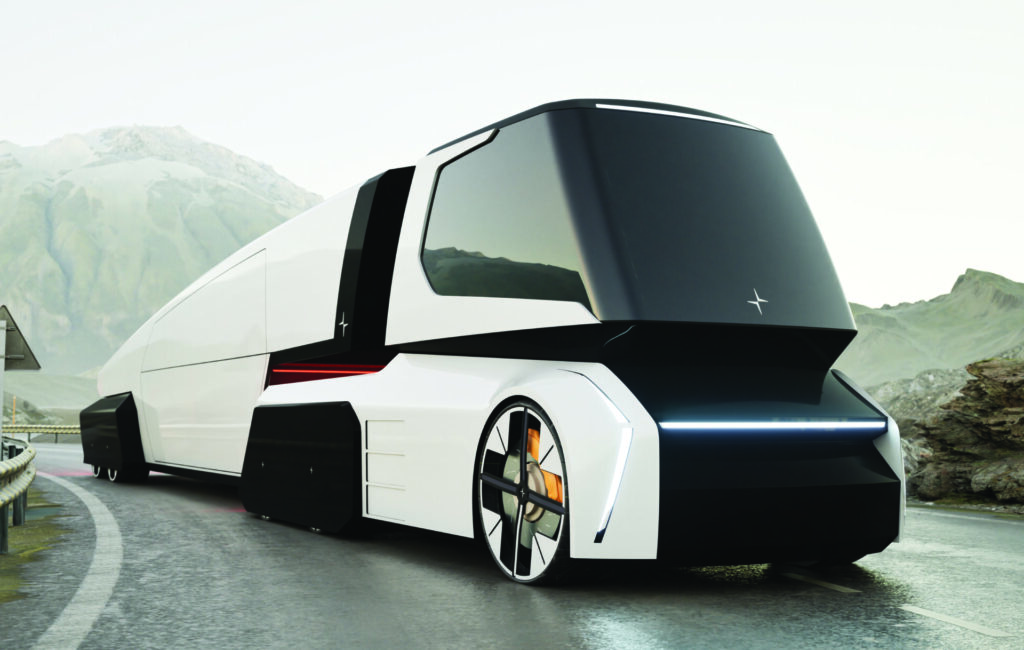
At a broader level, Lewis and Gilmartin also see the program as part of a wider conversation about the value of creative education. In a landscape increasingly focused on STEM, they argue that design remains fundamental to culture, industry, and innovation.
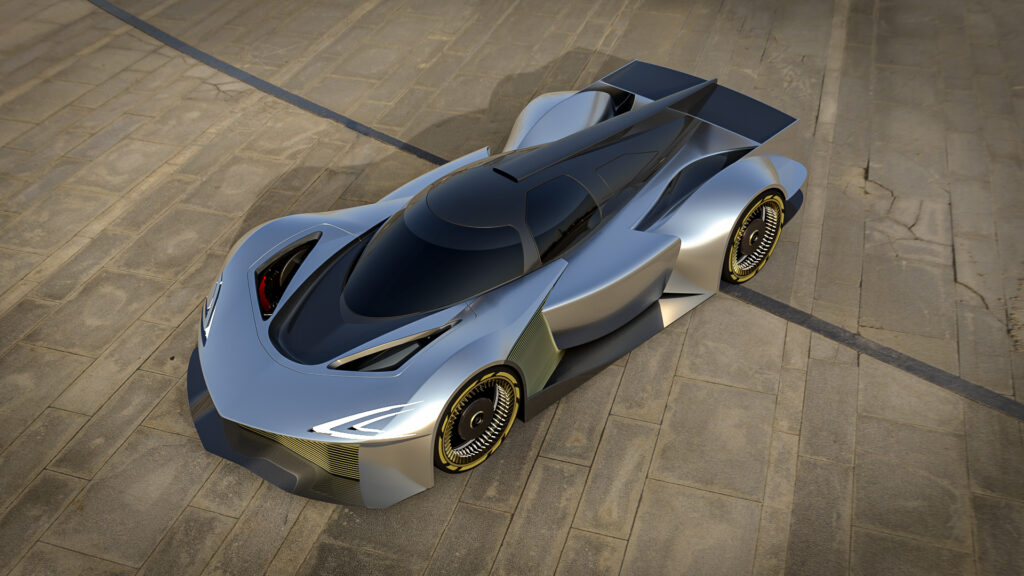
“Everything we use has been designed … creativity isn’t optional; it’s essential.”
Dan Lewis

Dr. Dan Lewis is Course Director for Design at the University of Staffordshire, where he leads the strategic development of multiple design programs, including Automotive and Transport Design. A Staffordshire graduate, he began his career as a product and furniture designer, working on mass-produced consumer products for UK and international markets and collaborating closely with manufacturing partners in Asia. He transitioned into academia more than a decade ago and has since played a central role in evolving the university’s design curriculum. Dan recently completed a PhD in emotional design, exploring how products, vehicles, and experiences interact with users on an emotional level.
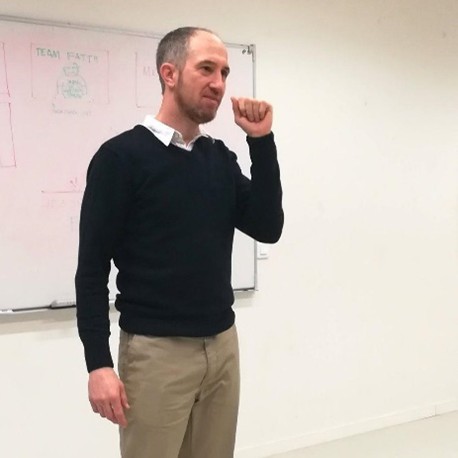
Richard Gilmartin is Course Leader for Automotive and Transport Design at the University of Staffordshire, bringing extensive industry experience in automotive design, digital surfacing, and visualization. Trained in industrial design, he began his career at Rover Group (now JLR) as a studio engineer before completing a master’s degree at Coventry. He spent over two decades at Bentley, working as a designer and later establishing the company’s visualization department, and he also worked at SAIC. Richard joined Staffordshire initially as a part-time Alias lecturer while still in industry and later moved into a full-time role, where he now focuses on studio practice, clay modelling, digital workflows, and industry engagement.
This story was developed using a blend of human expertise and AI tools supporting the research and drafting. Our team shaped, edited, and fact-checked the final content to ensure accuracy and alignment.
Check out our Autodesk Automotive on LinkedIn and visit the Design Studio YouTube channel for product updates, resources, and more.

Sharpen Your Skills
Alias and VRED Learning Editions are free for non-commercial use. Learn more and start your journey today.