 Autodesk Media & Entertainment
Learn how YouTube creator and 3D artist JL Mussi made a character-driven CG short film on a modest budget using controllable AI-powered 3D tools.
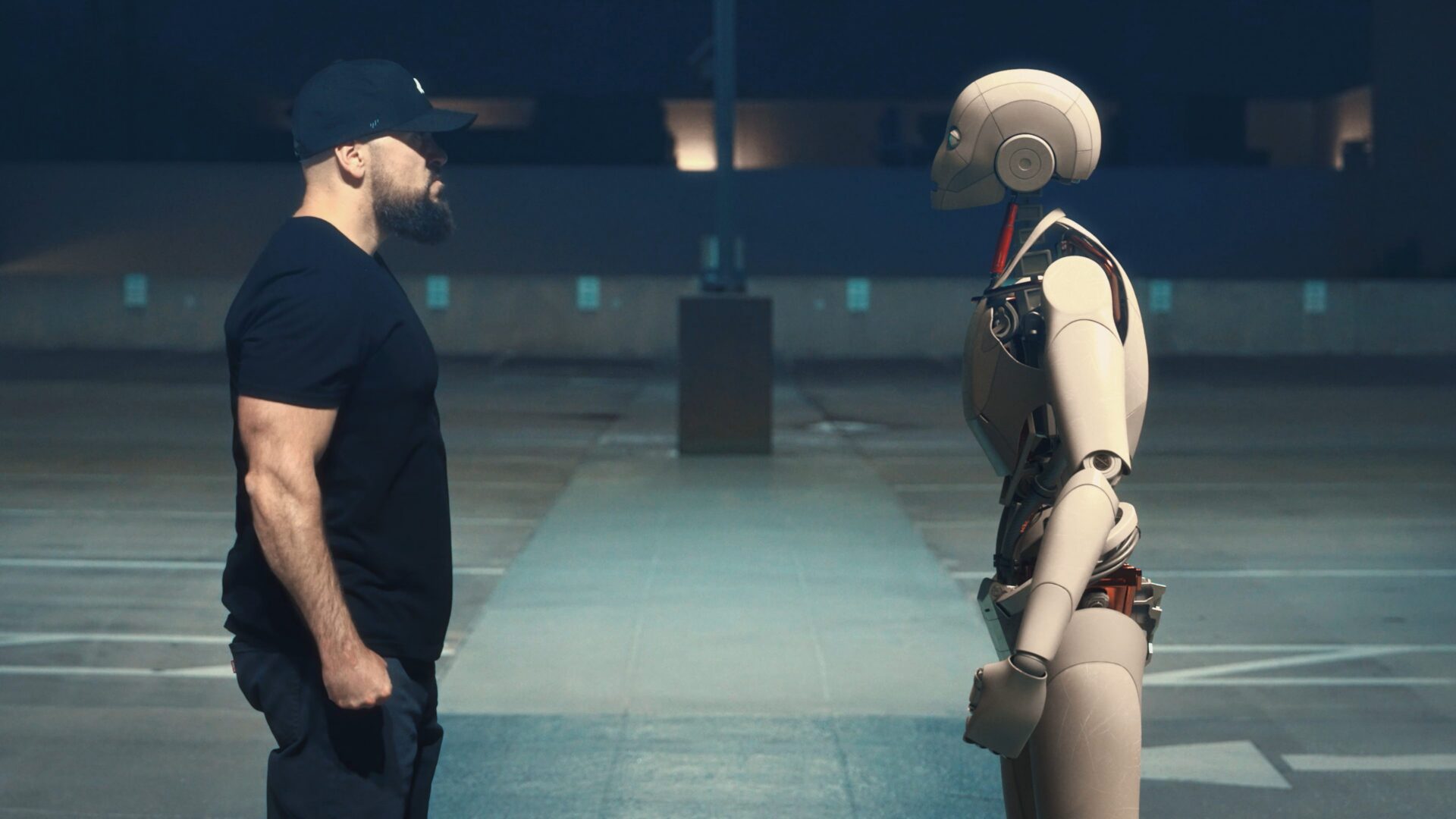
What happens when you give Autodesk Flow Studio to a CG artist with big dreams and a wild imagination? In the case of JL Mussi, founder of 3D Beast Academy and a popular YouTube channel for 3D artists, you get a two-minute short film featuring more than 20 CG character shots – all done for less than $5,000 and made in under two weeks.
Without Flow Studio, the same project would have cost $25,000-40,000 using a traditional freelance VFX pipeline, according to Mussi. Mussi’s short film, AI Training, depicts a misunderstood robot boxer – a story he says had been stuck in his head for more than two years. Flow Studio’s AI-powered markerless mocap helped make it possible, turning live-action video shots into rendered 3D scenes within hours instead of weeks.
“Comfort is a very dangerous place for artists that seek growth. Your greatest asset… is your creativity.”
However, Mussi admits to having reservations at first. “When I first tried Flow Studio,” he says, “like many artists, I felt the fear of being replaced by AI, of watching my craft and my identity become obsolete.”
Producing AI Training not only let him experiment with AI motion capture, but also introduced him to acting, writing, and directing his own story. “For years, I labeled myself a texture artist, a hard surface modeler, and a look dev artist. Those titles became my comfort zone, and comfort is a very dangerous place for artists that seek growth. Your greatest asset… is your creativity. Tools like Flow Studio allow us to keep pushing our creativity and ultimately tell better stories.”
Artist-controlled AI mocap
For Mussi, Autodesk Flow Studio’s AI motion capture and CG characters expand what indie filmmakers, solo content creators, and 3D pros can accomplish outside of more costly and labor intensive traditional VFX pipelines.
“It gets us 80% of the way there—fast—with the control to refine that to blockbuster quality.”
Flow Studio dramatically speeds up the most time-consuming parts of production, automatically generating fully editable elements – like camera tracking, mocap data, clean plates, 3D scenes, and more – that can be brought into tools like Maya or Blender for further refinement. Creators can tweak performances, adjust lighting, iterate on details, and elevate the final result using the same professional workflows they already rely on.
Flow Studio isn’t here to replace the entire VFX pipeline, Mussi says, “It gets us 80% of the way there – fast – with the control to refine that to blockbuster quality.”
From performance to final film
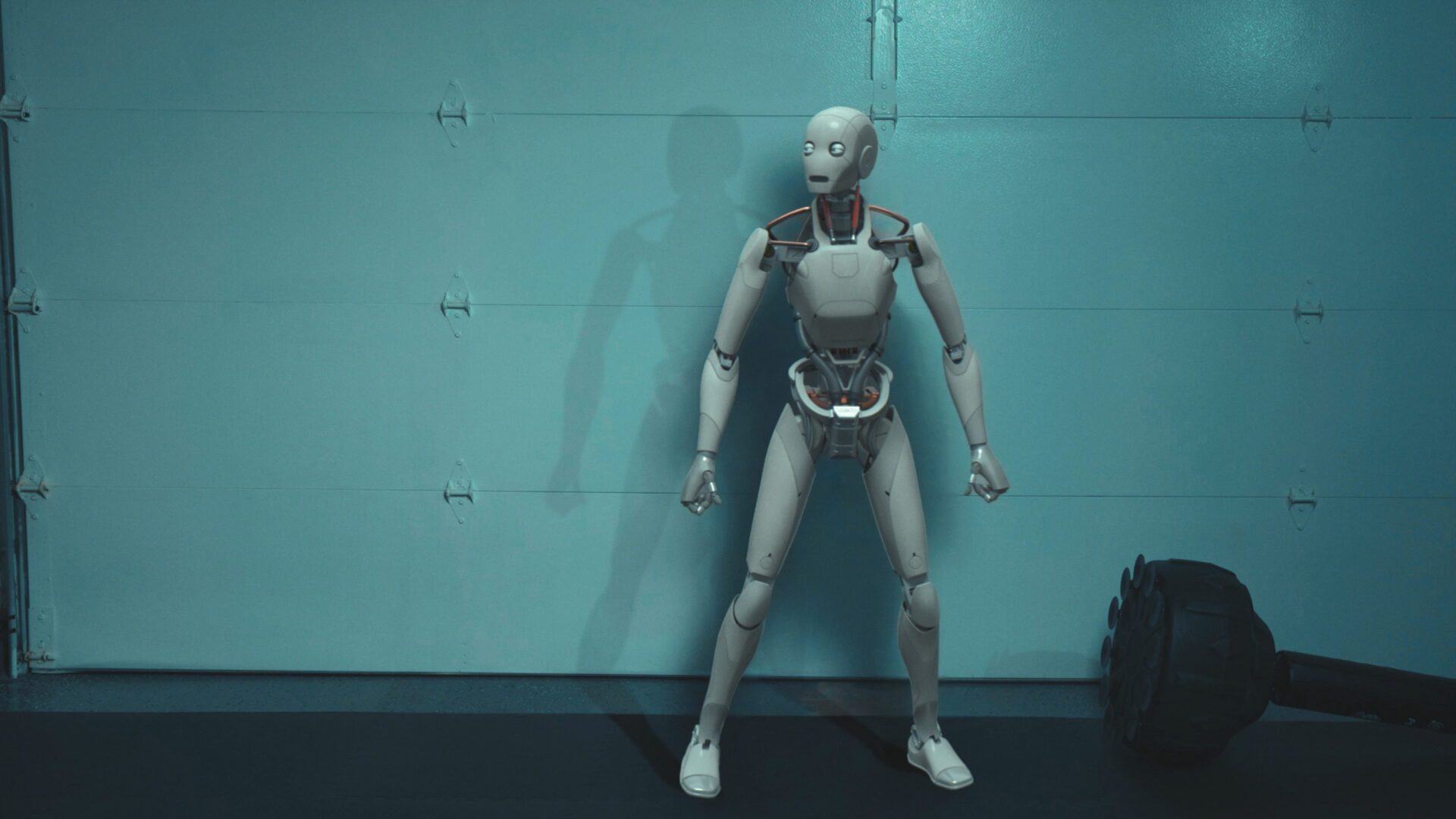
To create AI Training, Mussi started with something simple: an old phone video of himself shadowboxing – no professional lighting, no mocap suit, no special setup. He uploaded the footage into Flow Studio’s Live Action project type, where the platform scanned the clip, detected the actor, and allowed him to drag a robot character from the built-in library directly onto his performance.
Flow Studio then mapped his movements to the CG character and generated a complete 3D scene, including animation, lighting, camera movement, and a clean plate with the original actor removed. Within hours, Mussi had a fully realized scene ready to refine.
Like any production tool, the results weren’t meant to be final out of the box. Because Flow Studio works from a single camera view, some moments required light cleanup in post – especially when limbs were briefly hidden or when shadows needed adjustment. But instead of locking the output, Flow Studio exported a fully editable 3D scene, complete with textures, camera data, and lighting setups, ready to open in Maya or Blender.
From there, he added final touches: refining shadows, enhancing motion blur, introducing subtle camera shake and atmosphere, and completing color grading, timing, and sound design. What might have taken weeks in a traditional VFX pipeline was compressed into days, without sacrificing creative intent.
Ready to rumble
With Flow Studio’s AI-powered mocap and cloud-based VFX tools, Mussi finally brought his long-standing robot boxer story to life. His debut short shows what’s possible when AI speeds up production but keeps artistic control firmly in creators’ hands. For indie filmmakers, content creators, and 3D artists, that shift doesn’t just lower costs, it expands what’s creatively possible.