 Ananda Arasu
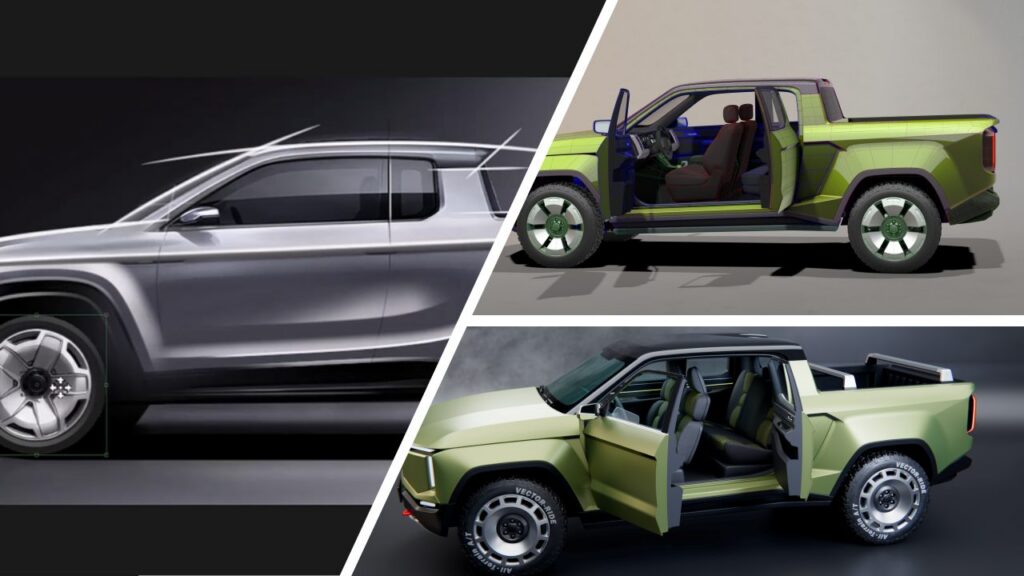
A preview of the shifts reshaping how vehicles get designed – and why speed is the thread tying them all together.
Automotive design has always been a balancing act between vision and viability, between what inspires and what ships. What’s changed is the clock.
Programs are compressing. Expectations around quality, sustainability, and differentiation are rising at the same time. The studios pulling ahead aren’t simply working faster, they’re working earlier. They’re making decisions sooner, with more confidence, using tools that bring clarity to stages of the process that used to run on instinct alone.
That shift is the backdrop for this year’s Autodesk Innovation Forum (AIF26) in Darmstadt, June 2–3. The keynote will dig into where the time savings are really coming from, and what that means for the next generation of vehicle programs. Ahead of the event, here are five trends we’re watching, the industry shifts that keep surfacing in our conversations with studios around the world, and that we see shaping the design process from concept through sign-off.
1. Aerodynamics moves upstream
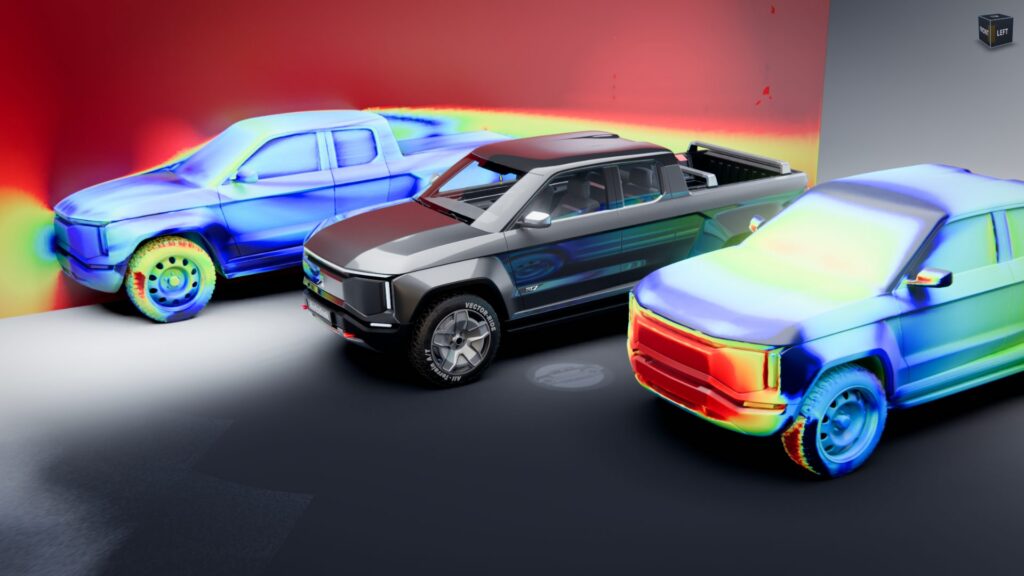
For decades, drag coefficient data has been something designers were handed, a set of constraints that came back from engineering and forced rework. That model is breaking down. The question studios are asking now is different: how do we design something beautiful that’s also deeply efficient, from the very first sketch?
Real-time aerodynamic feedback in the design phase is one of the bigger shifts underway. When designers can see how a form behaves in airflow while they’re still exploring proportion and stance, efficiency stops being a correction and becomes part of the creative input. That’s a meaningful change, both for what cars look like and for how fast teams can get to a confident direction.
2. XR becomes a decision tool, not a presentation layer
Immersive review used to be the finale, the big reveal for executives after months of work. Increasingly, it’s the opposite. Teams are bringing early concepts into XR to make real decisions: Does the proportion hold up at full scale? Does the interior package feel right? Are we aligned on this direction before we invest another six weeks?
The value isn’t the headset. It’s the speed and confidence of the decision. When stakeholders can stand inside a concept weeks earlier in the process, the cost of being wrong drops, and the cost of being right, of committing with conviction, drops with it.
3. Form exploration shifts to the first hour
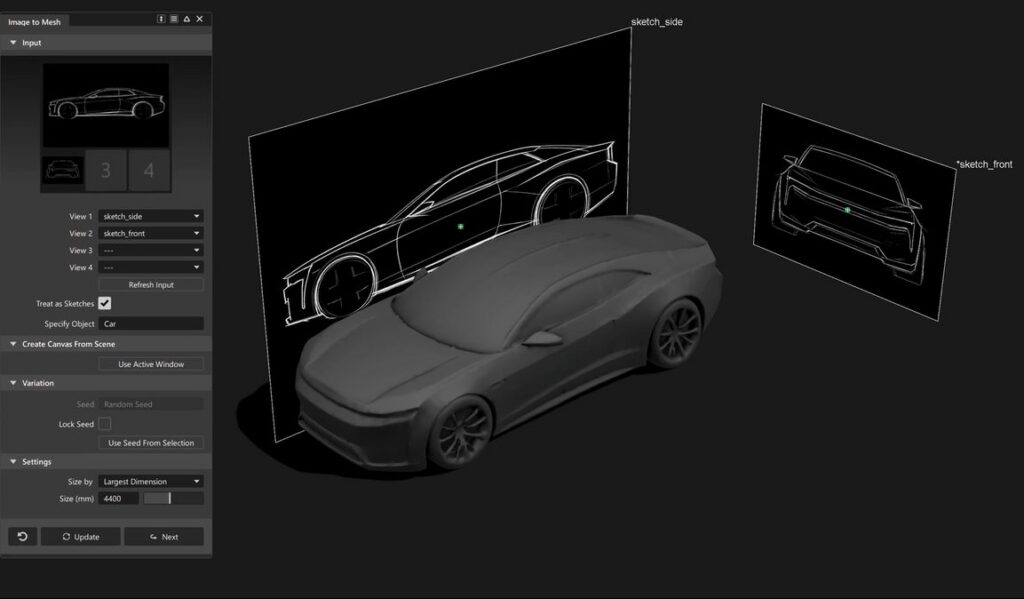
The gap between a reference image and a workable 3D form used to take days. Blocking volumes, wrestling with proportion, getting to something the team could actually react to — it was a slog that happened before the interesting work began.
That gap is collapsing. Image-to-3D workflows, AI-assisted surfacing, and smarter tools for early form generation are pulling the first meaningful review into the first hour instead of the first week. Designers get to explore more directions, arrive at proportion earlier, and spend more of the program on the decisions that actually differentiate a vehicle. It’s one of the clearest examples of where AI is quietly reshaping the day-to-day, not as a novelty, but as a time savings that compounds across every project.
4. The end of the generic backplate
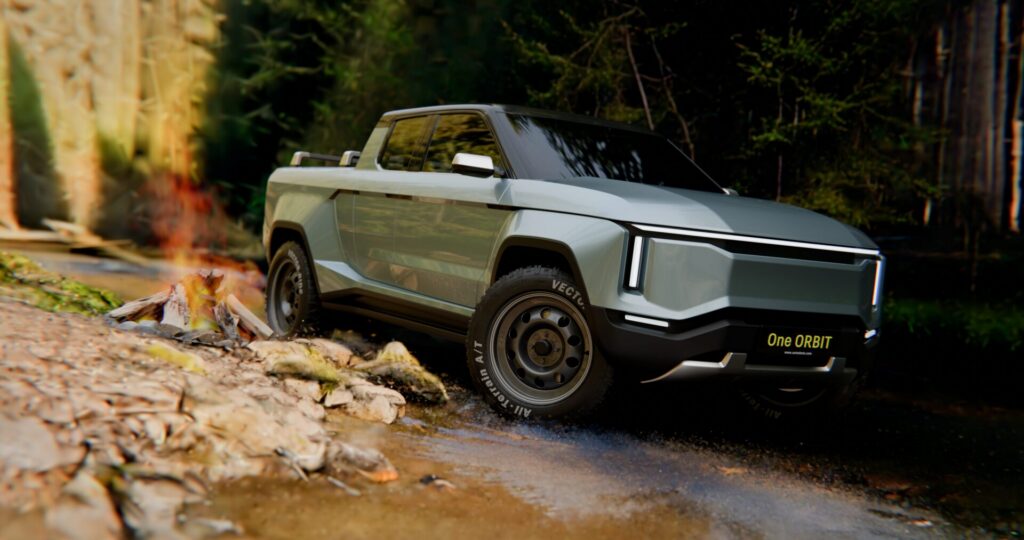
Design reviews have always needed context, and the tools for providing it have been a compromise. HDR domes flatten depth. Modeled and photogrammetry-based environments deliver quality but at a cost … long prep times, heavy file sizes, and performance hits that push teams back toward a handful of reusable backplates that roughly approximate the world the car will live in.
Gaussian Splats changes the story. A real location can be captured with consumer-grade gear and brought in as a lightweight, navigable, ray-traceable scene with real depth and real lighting behavior. No mesh conversion. No loss of interactivity. Every review can happen in the exact context that matters for the decision at hand, and the next wave, dynamic conditions, AI-assisted generation, turns context from a backdrop into a creative variable.
5. The design pipeline collapses
Perhaps the subtle but most consequential trend: the walls between creation, visualization, and validation are coming down. Work created in one tool flowing into immersive review without setup. Decisions made in review flowing back into the model without rework. AI assistance showing up inside the workflows designers already use, rather than as a separate step.
The opportunity is to standardize the connective tissue, to make the path from idea to validated decision a repeatable one, not a meandering one. Studios that take it find the whole process gets more streamlined: fewer handoffs, fewer days lost to the iterations. The design pipeline starts to behave less like a relay race and more like a single, continuous conversation, which is exactly what a compressed program cycle rewards.
The common thread
Five trends, one underlying shift: the best studios are finding time back. Not by working their teams harder, but by making better decisions earlier and spending the saved hours on the work that actually differentiates a program, the craft, the judgment, the creative risks.
That’s the territory the AIF26 keynote will explore in real depth: where the speed is actually coming from, what it means for the teams doing the work, and how to turn time savings into competitive advantage. If any of these trends feel familiar — or if you’re trying to figure out how they fit together in your own studio — Darmstadt is where the picture gets clearer.
Join us at AIF26 in Darmstadt, June 2–3. Registration and agenda details here.
This story was developed using a blend of human expertise and AI tools supporting the research and drafting. Our team shaped, edited, and fact-checked the final content to ensure accuracy and alignment.

Sharpen Your Skills
Alias and VRED Learning Editions are free for non-commercial use. Learn more and start your journey today.