 Blake Avery
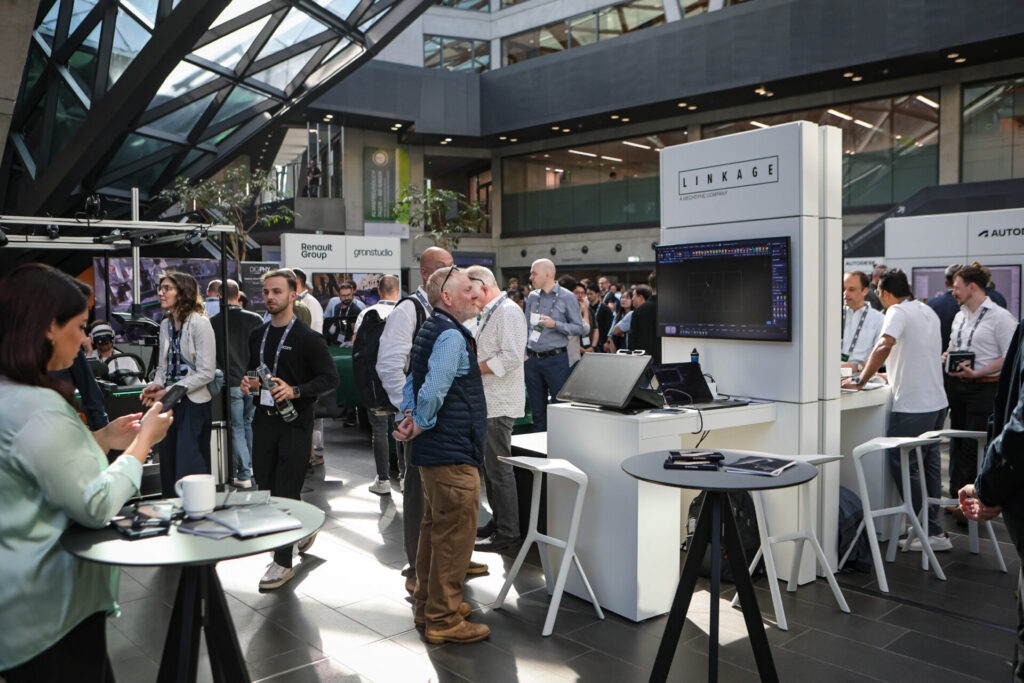
Looking Back at Day 1
Looking back on the first day of the Automotive Innovation Forum, what stayed with me most was not just the technology on stage. It was the people in the room.
There was a real sense of community throughout the event: customers reconnecting, Autodesk teams catching up with familiar faces, exhibitors and partners comparing notes, and designers from different studios greeting each other like old friends. Automotive design can feel like a small world in the best possible way. Many of the people here have worked together, competed with each other, learned from each other, or followed one another’s work for years.
For me, working on the Autodesk automotive product team, it was especially inspiring to hear — and see — how customers are using Autodesk tools every day for design, visualization, surfacing, and review. I also heard positive feedback on our product direction and delivery for automotive. One moment that captured the energy in the room: when the Python API for Alias was announced during the Design Studio keynote, there was an actual “whoop!” from the audience. That kind of response says a lot. Customers are not just interested in the vision; they are excited to see tools like Form Explorer moving from future-looking ideas into capabilities they can use.
Student Design Competition: The Original and the Remix
That same mix of creativity and practical progress came through beautifully in the Autodesk Student Design Competition. This year’s brief, The Original and the Remix, asked students to take inspiration from a legacy car model and an art movement, then re-imagine the result for today.
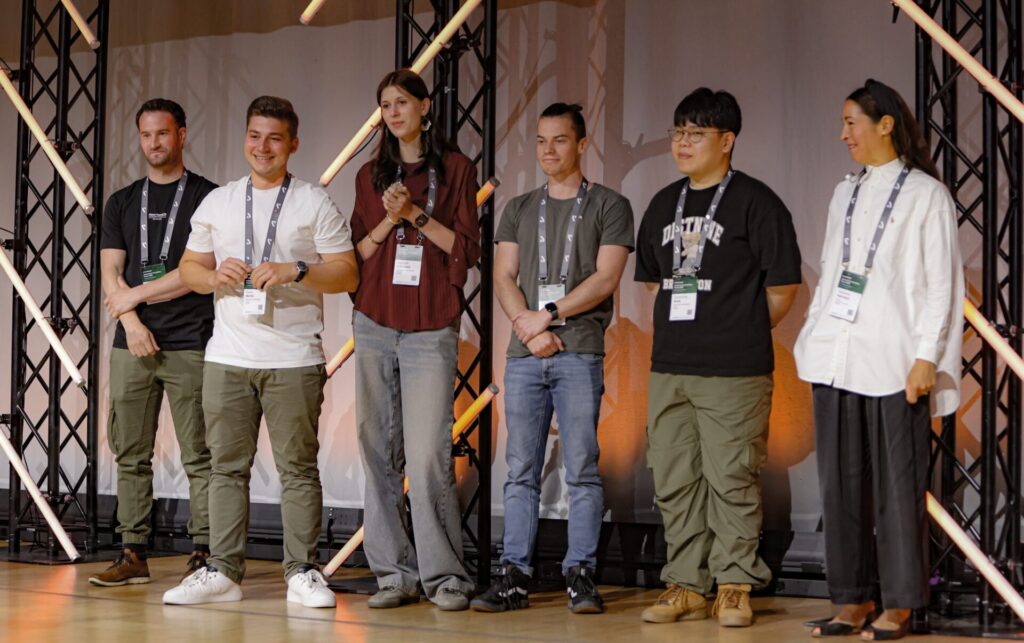
The entries showed human creativity and collaboration at full volume. The students did not just present exciting designs; they told thoughtful stories about their ideation, form exploration, and design process. I was genuinely impressed by how articulate and clear the teams were in explaining both the creative and technical choices behind their work.
Why the Winning Team Stood Out
The winning team, Surface Squad from Staatliches Berufliches für Produktdesign Selb University, reimagined the Fiat 600-Multipla through a Pop Art lens. Their delightful design stood out for its humor, character and sense of adventure.
Judges noted that while other teams showed exceptional technical modeling, Selb’s storytelling — and possibly, the flamingo — helped push the entry over the top. It was a reminder that automotive design is not only about surface quality or technical execution. It is also about communication, emotion, and the ability to bring people into a story or idea.
AI-Powered Aerodynamics: Bringing Engineering Insight Earlier
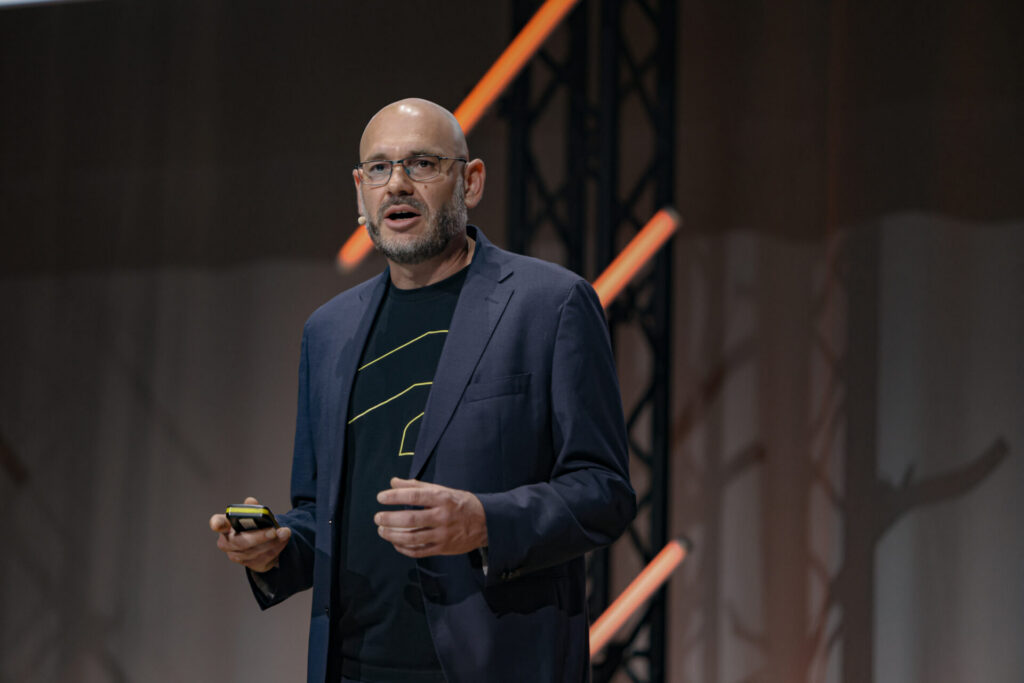
Beyond the competition, the sessions continued to explore how AI and digital workflows are reshaping automotive design.
Matthias Bauer’s session with GM and Bentley showed how NavPack uses Physics AI to make aerodynamic feedback available much earlier in the design process. Instead of relying on a full CFD simulation for every new surface change, NavPack learns from existing geometry and simulation data. When a designer creates a new variant, the system can compare it against what it has learned and deliver rapid predictions for aerodynamic performance, helping teams understand the impact of design decisions in seconds rather than days.
Featured customer stories:
GM described an AI-enabled virtual wind tunnel capable of delivering aerodynamic predictions in 10–20 seconds, compared with traditional feedback cycles that can take several days. Bentley shared how early aerodynamic prediction helps designers “mark their own homework,” improving surface quality before formal aero review.
Digital CMF: Balancing Data, Craft, and Creative Judgment
The Digital CMF session brought another important perspective: innovation cannot be purely digital.
The panel explored how CMF teams are balancing visualization, material data, supplier collaboration, and physical craft. Digital tools can help communicate long-term material strategies, reduce the cost of experimentation, and bring technical information into the design pipeline earlier. But final material decisions still depend on human judgment, sensory understanding, and physical validation.
AI may help automate documentation-heavy tasks and accelerate digital workflows, but the human creative vision still needs to guide the process. As the panel made clear, the future CMF designer will need digital fluency, production awareness, and strong cross-disciplinary collaboration.
Closing with Technical Depth: Alias and VRED
The event was capped with two final technical sessions: the Alias Deep Dive with Barry Kimball and the VRED Deep Dive with Pascal Seifert.
After a day filled with strategy, customer stories, student creativity, and product momentum, these sessions brought the conversation back to craft: the tools, workflows, and technical depth that help designers turn ideas into something real.
Final Takeaway
What I took away from this year’s AIF: AI is accelerating automotive design, but people are still the center of the story.
The best outcomes will come from teams that combine new tools with creativity, judgment, collaboration, and a clear — and human — point of view.
This story was developed using a blend of human expertise and AI tools supporting the research and drafting. Our team shaped, edited, and fact-checked the final content to ensure accuracy and alignment.
Check back next week for more stories from AIF and all of the AIF session videos and keynotes will be shared soon.