 Pierre-Paul Andriani
 Blake Avery
 Brandy Ryan
An unexpected automotive remix, a flamingo, and a team of emerging designers from Selb, Germany. Behind Surface Squad’s winning concept is a story of creative experimentation, technical ambition, teamwork, and the educators who helped make it possible.
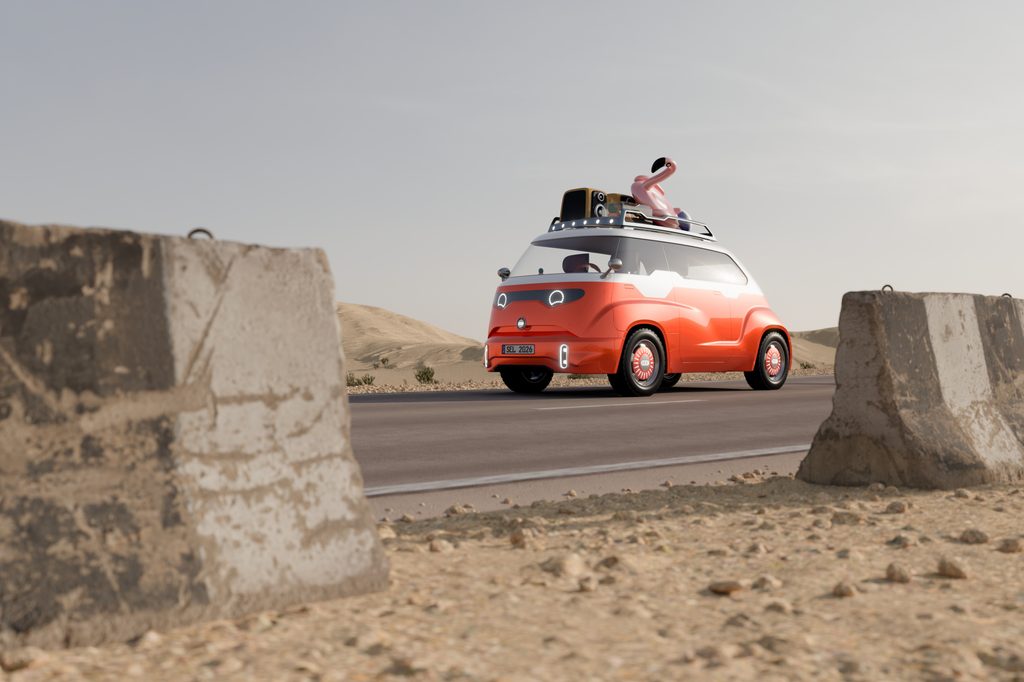
The 2026 Autodesk Student Design Competition, themed The Original & The Remix, challenged student teams to reimagine a discontinued, historic, or forgotten vehicle through the creative lens of a major art movement. Using Autodesk Alias and VRED, teams brought their concepts to life through design exploration, 3D modeling, and visualization storytelling.
Four design students from the Staatliche Fachschule für Produktdesign Selb in Germany took up that challenge, combining the Fiat 600 Multipla with the expressive world of Pop Art.
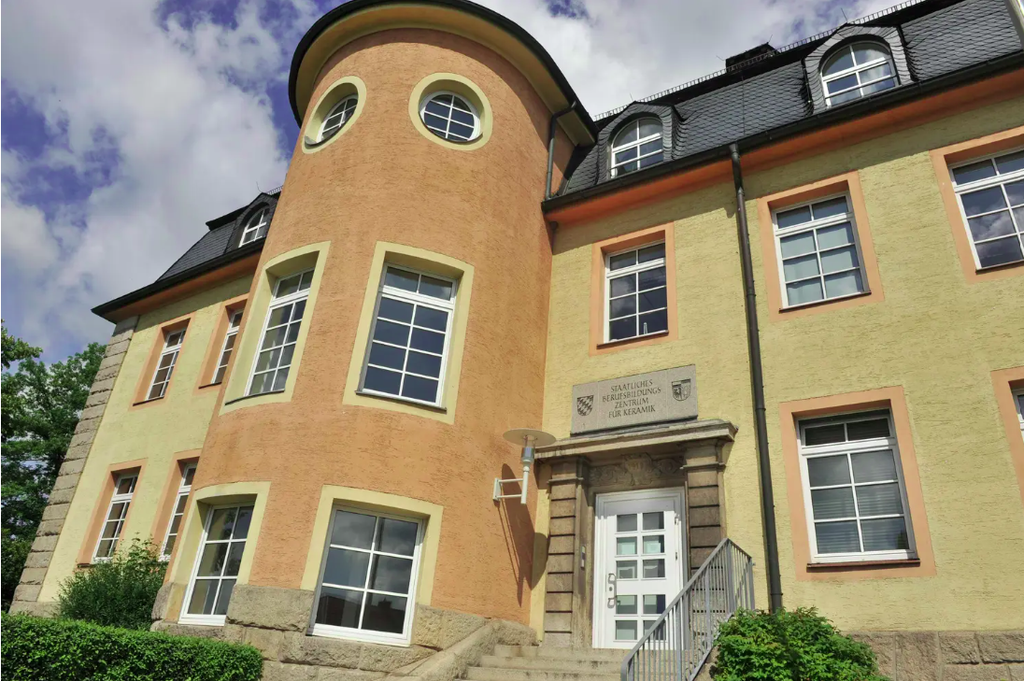
Calling themselves Surface Squad, students Franz Werba, Hannah Schnabel, Julian Wend, and Junseong Bang created a colorful, character-driven vehicle designed for adventure and a life on the move.
Their entry stood out for its technical execution, storytelling, and willingness to take the design beyond a conventional vehicle presentation.
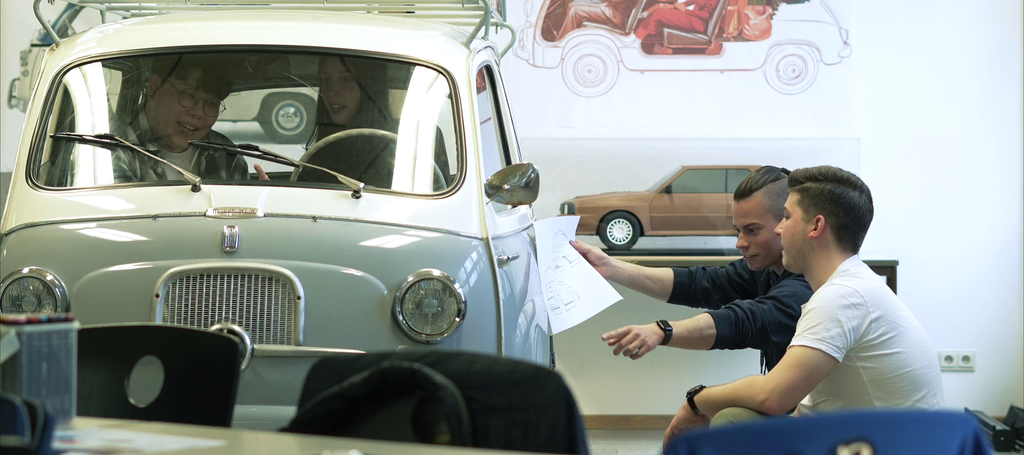
Behind their success were two educators, Riccardo Redondo-Galán (Head of Product Design and Mobility) and Yasmine Harrison (Head of Product Design, Fashion Institute of Product Design and Tech), whose commitment to combining traditional craftsmanship with digital design helped the team push further than they had initially imagined.
Listen to Autodesk’s Pierre-Paul Andriani’s full conversation with Riccardo and Yasmine.
Finding the right remix: from pop art to persona
Surface Squad’s first idea wasn’t the Multipla. Initially, the team explored an Alfa Romeo Montreal combined with Art Deco, but after a week of sketching, the direction wasn’t developing as they had hoped.
The students reconsidered their choice and found a more compelling pairing: the Fiat 600 Multipla and Pop Art.
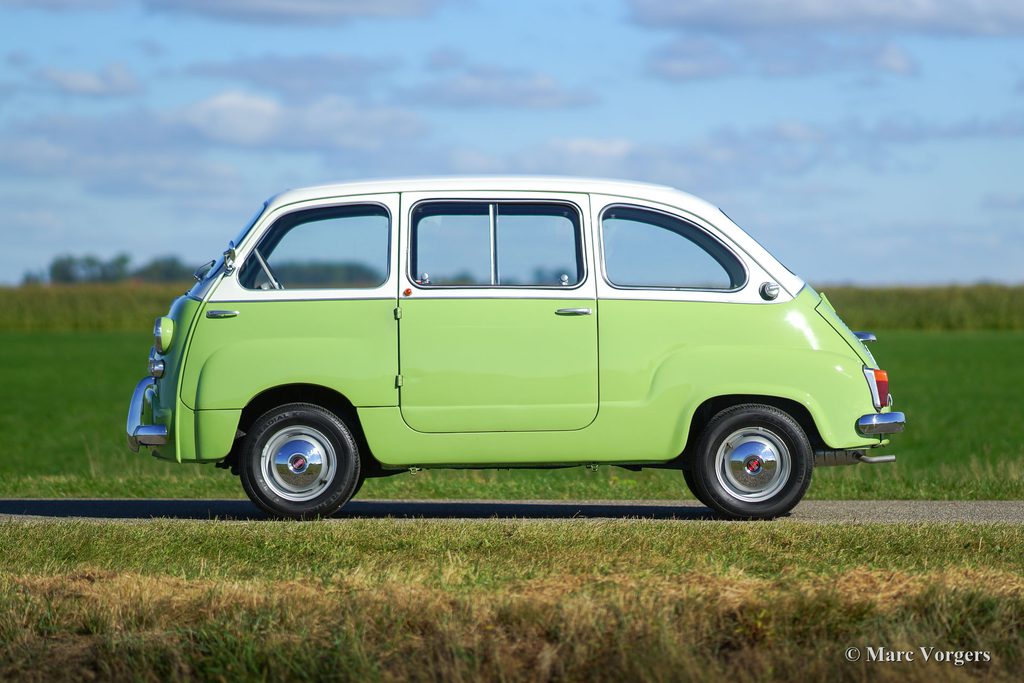
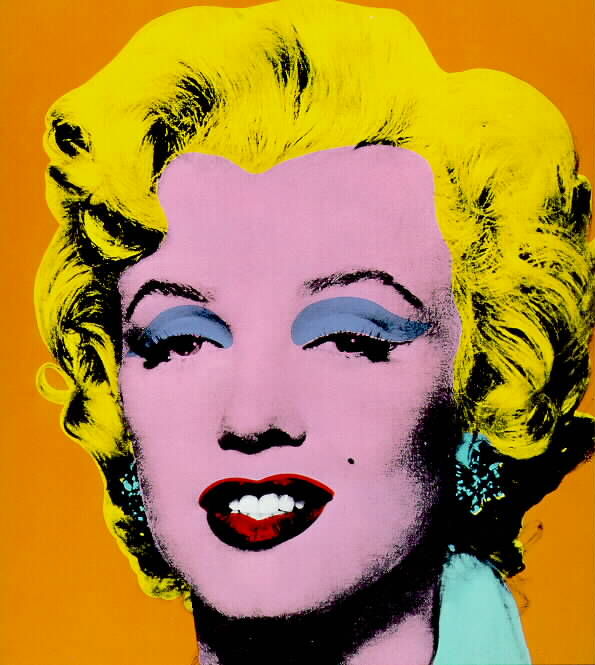
The original Multipla, with its distinctive proportions and unconventional packaging, offered an expressive starting point. Pop Art introduced bold colors, graphic contrasts, playful visual references, and a sense of humor. Together, they gave the team a direction with plenty of room for experimentation.
To give the concept a clear purpose, Surface Squad created Lara, an event manager who travels frequently, organizes festivals, and needs a vehicle that can support her active, mobile lifestyle.
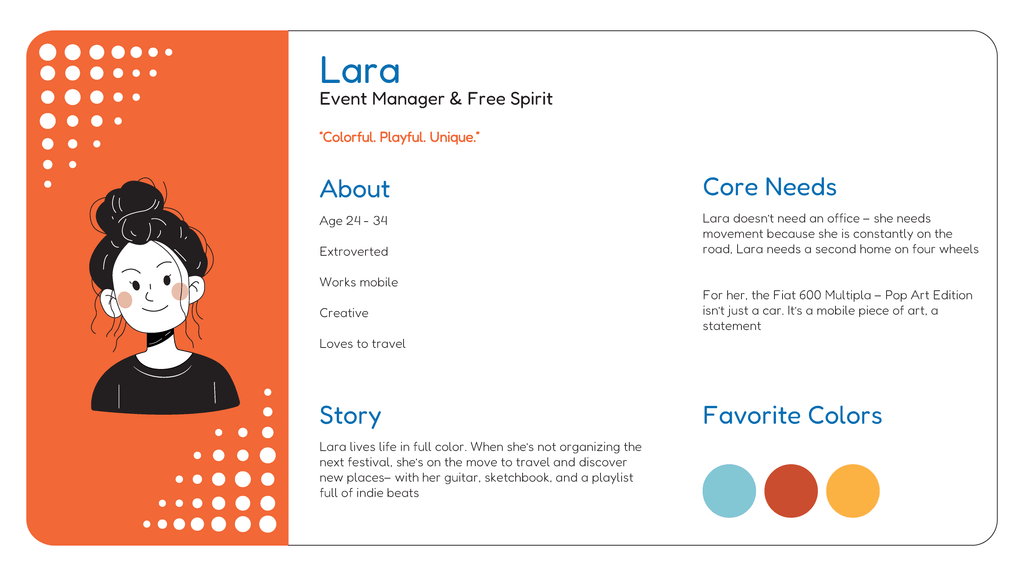
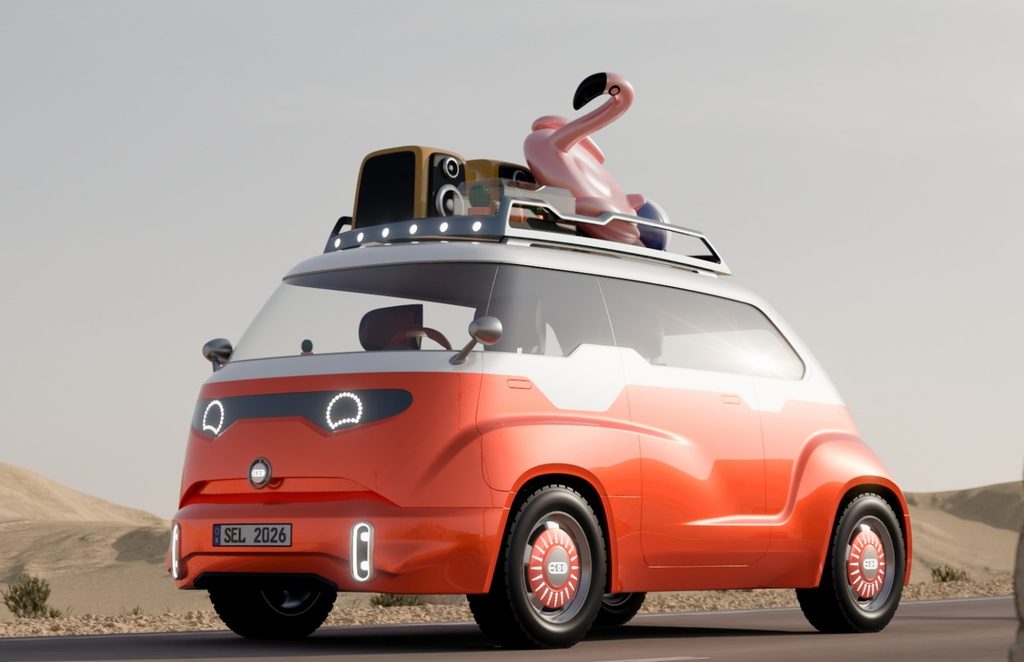
For Lara, the reimagined Multipla would be more than transportation. It would become a home on four wheels: part workspace, part travel companion, and an expression of her colorful personality. This narrative informed the vehicle’s interior functionality, materials, and bold color palette. It also opened the door to more playful decisions, including one particularly memorable detail: a flamingo on the roof.
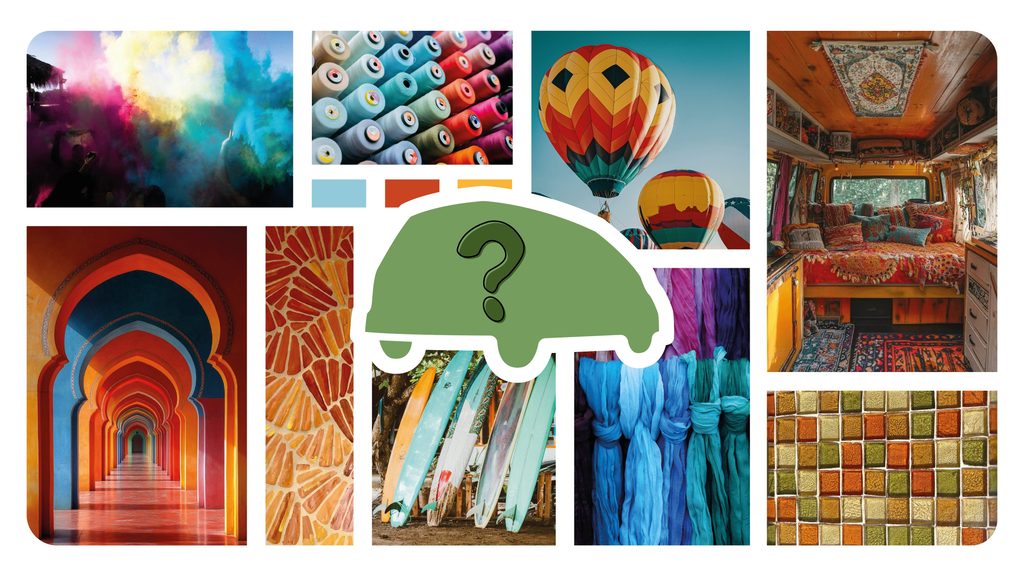
Surface Squad wasn’t simply redesigning a familiar vehicle. They were creating a character-driven concept in which the design, its accessories, and the world around it all contributed to a consistent story.
From collaborative sketches to complex NURBS surfaces
The students began by sketching collaboratively, sharing individual ideas before agreeing on a common design direction. Junseong took the lead in consolidating those ideas into cohesive sketches, which provided the foundation for the digital model.
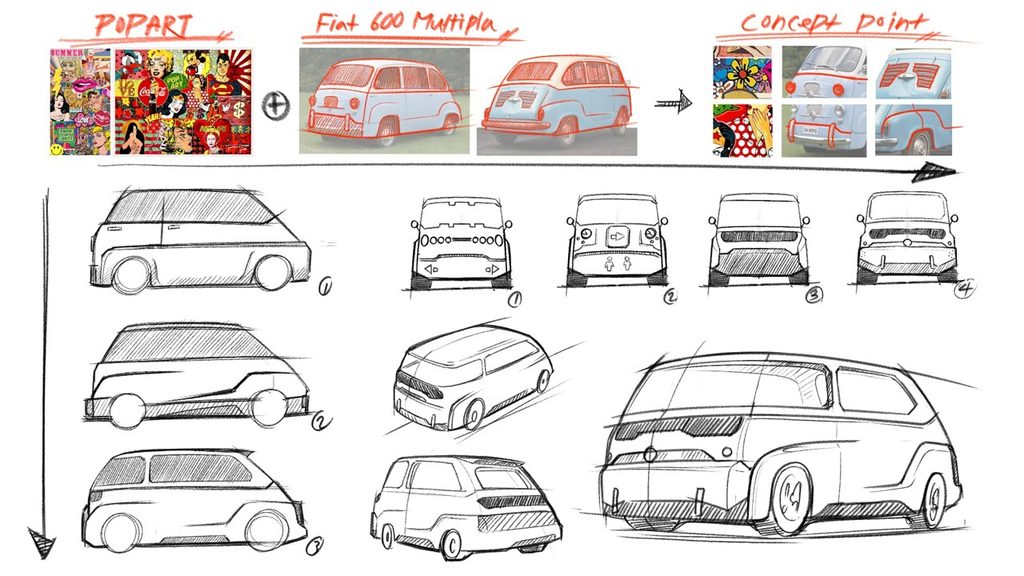
From there, the team imported front and side views into Autodesk Alias and divided the modeling responsibilities according to different parts of the vehicle:
- Julian developed the front and side exterior surfaces, helping establish the main vehicle form.
- Hannah focused on the interior, exploring design possibilities directly through the modeling process rather than working from a fully resolved design.
- Junseong took responsibility for the rear exterior, building on his earlier work bringing the team’s sketches together.
- Franz developed the wheels, rims, lighting, and smaller detail elements that helped give the concept its distinctive character.
Although each student had specific responsibilities, the design depended on regular coordination. Julian also helped bring the separate contributions together during weekly reviews, ensuring the different parts developed into a cohesive vehicle.
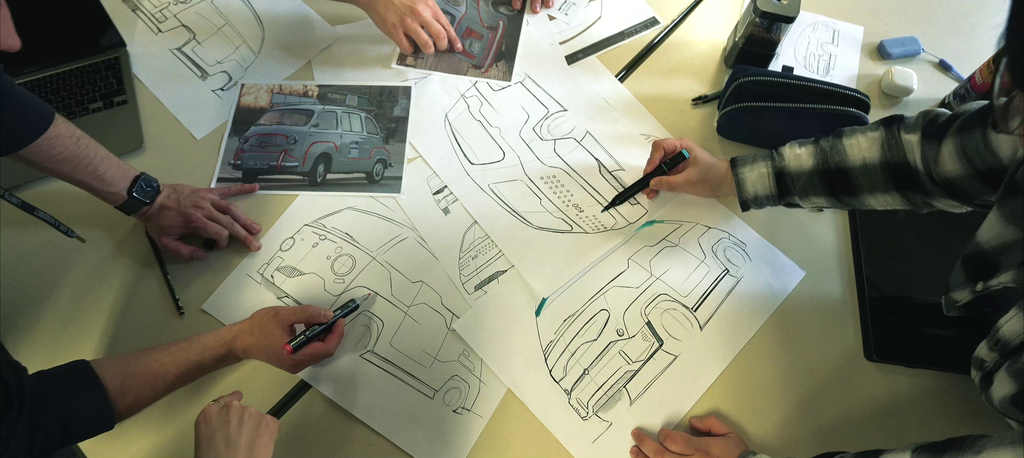
For Riccardo Redondo-Galán, who teaches CAD and Alias at Selb, the level of complexity was particularly significant. The students had only around a year to a year and a half of experience with Alias before taking on a complete vehicle exterior modeled in NURBS surfaces.
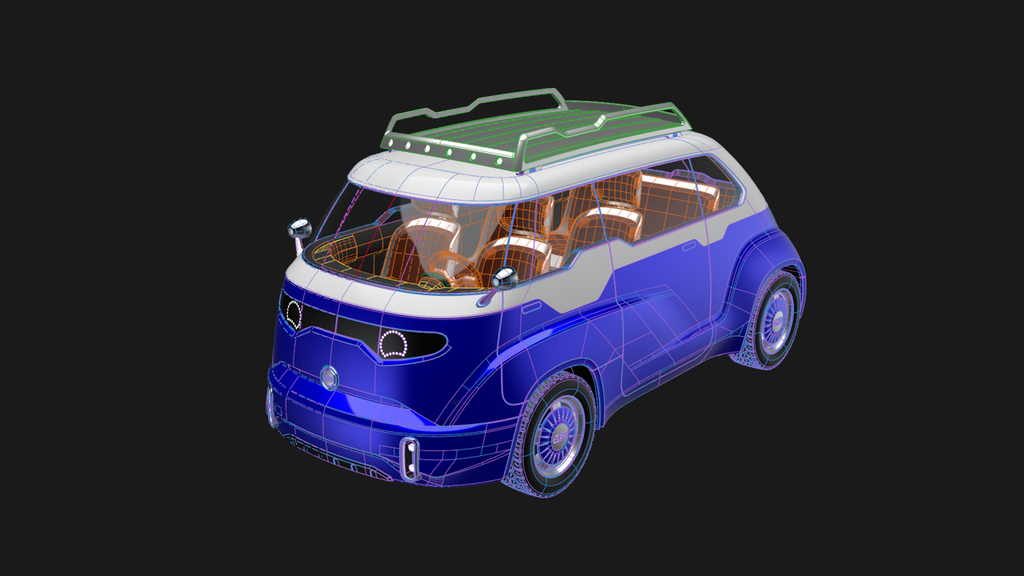
Riccardo, who previously worked at BMW in clay modeling and digital surfacing, understood the challenges involved. The project demanded technical discipline, experimentation, and continuous communication as the students developed their individual contributions into a finished concept.
It was also a valuable introduction to the realities of collaborative design: different people working on different elements but sharing responsibility for the quality and consistency of the final result.
Between clay and CAD: learning design in both worlds
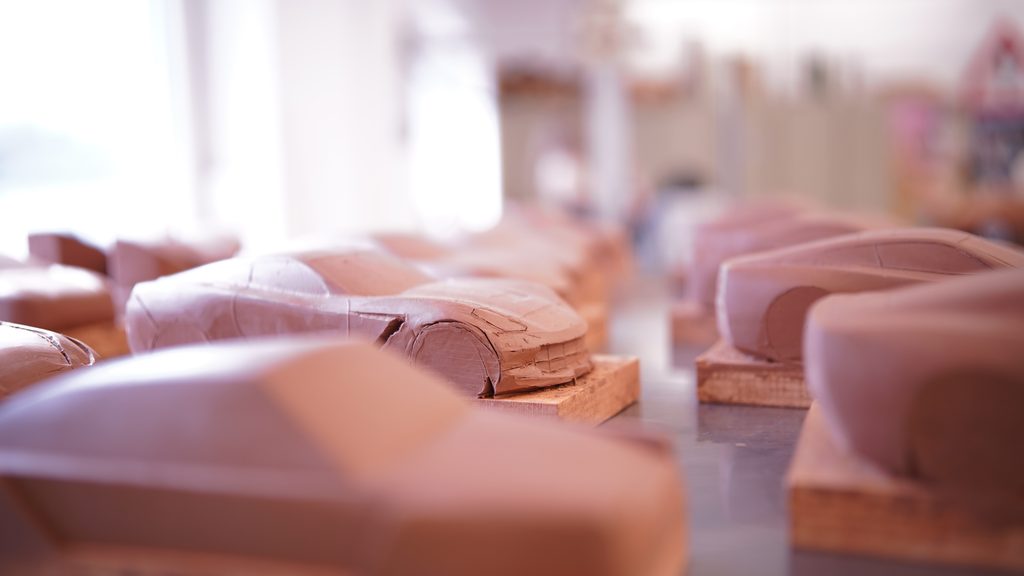
At Selb, the relationship between physical and digital design is an important part of the curriculum. The school’s roots in the porcelain industry established a foundation in hands-on model making that continues today through its mobility, consumer goods, and graphic design programs.
Students develop physical modeling skills alongside digital techniques, moving between clay, sketching, Alias, and visualization to better understand three-dimensional form.
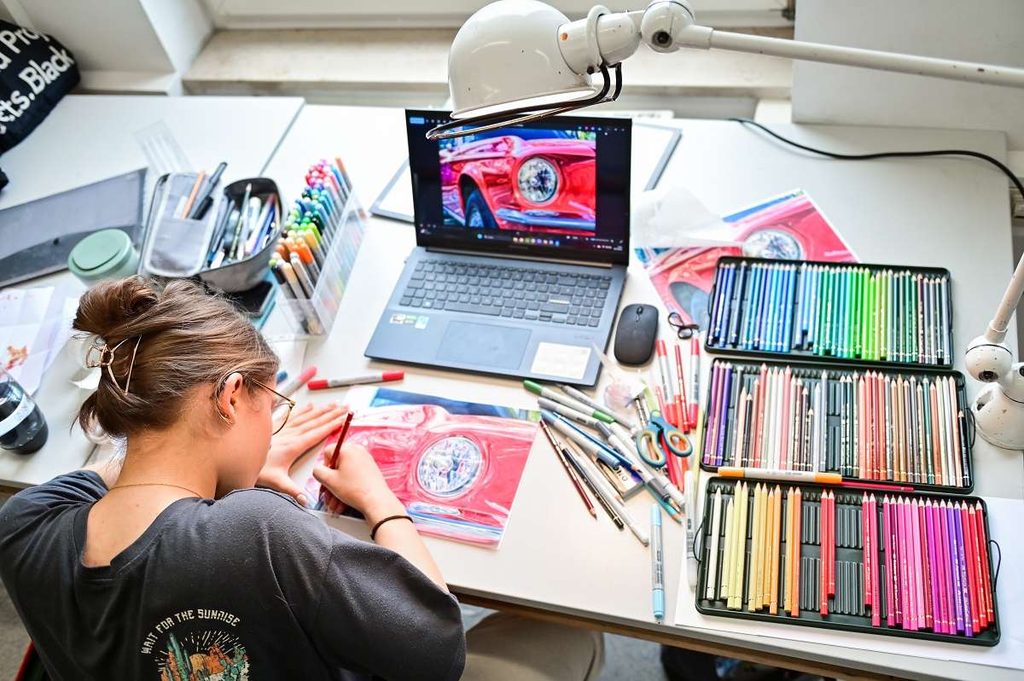
For Yasmine Harrison, Head of Product Design at Selb, this combination is essential, a way of letting students move between analogue and digital and taking in the best of both worlds.
The Surface Squad students described spending roughly equal time working with Alias and clay modeling. Their project included a physical clay model, featured in their project video, which helped them evaluate form and proportions beyond the screen.
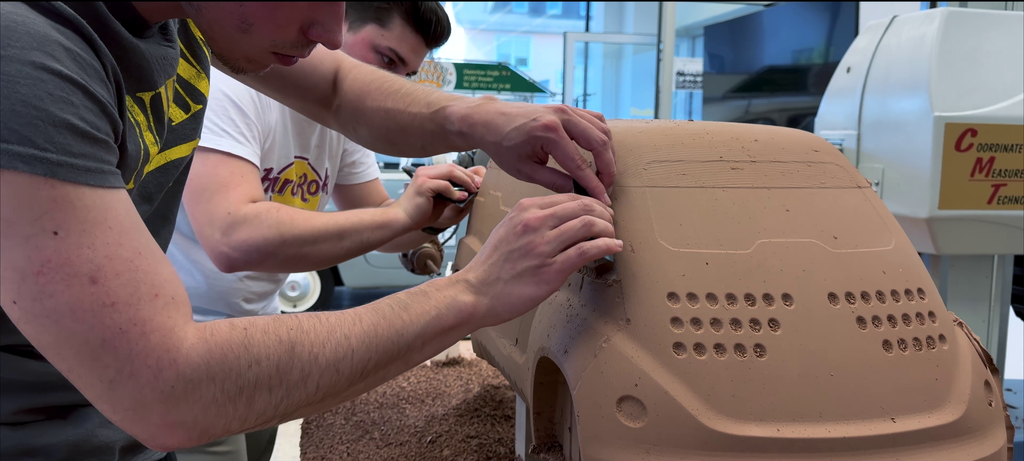
This physical understanding also supports their digital work. Clay modeling develops an intuitive sense of volume, curvature, and surface relationships, while Alias enables students to construct and refine increasingly complex geometry.
As emerging technologies, including AI-assisted tools, become more common in design workflows, the faculty sees continued value in this broad foundation. The goal is not simply to teach students how to operate software, but to develop the judgment, adaptability, and understanding of form needed to use those tools effectively.
Beyond the model: bringing the story into VR
One of the most distinctive elements of Surface Squad’s entry was its approach to visualization.
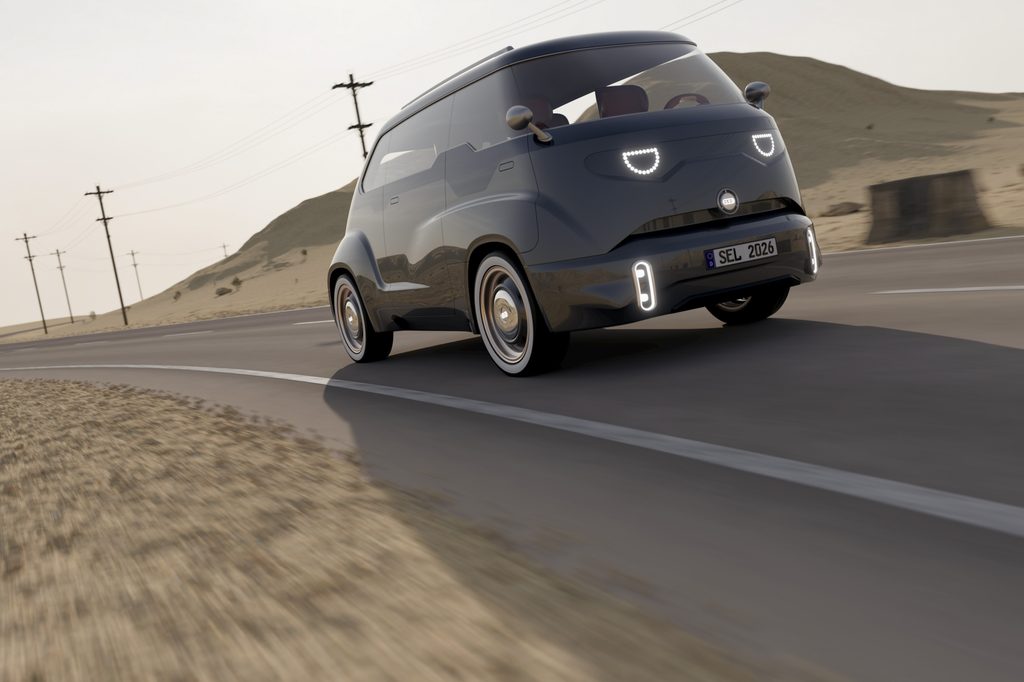
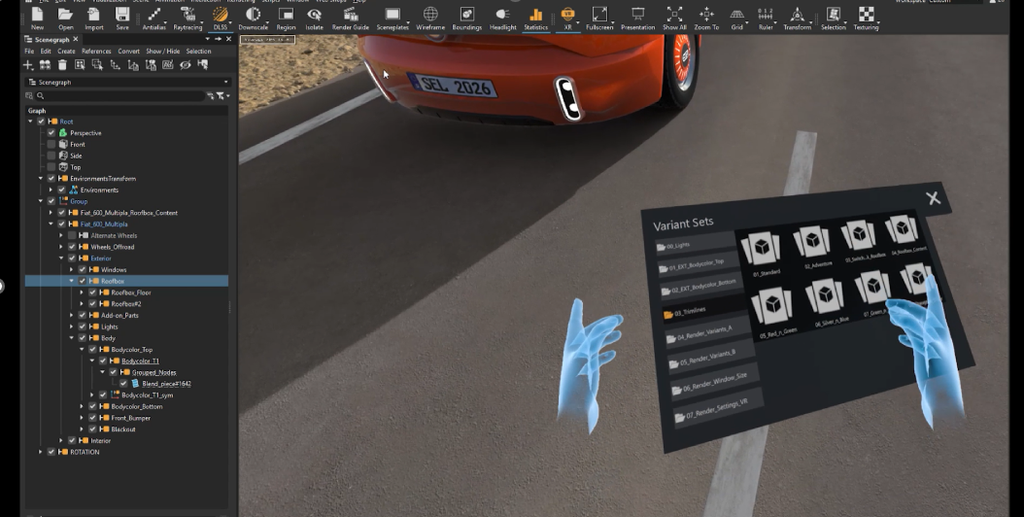
Rather than stopping at a completed Alias model and a series of rendered images, the team developed an interactive environment in Autodesk VRED, with multiple design variants, custom paint colors, accessories, and a VR experience that brought Lara’s world to life.
The idea emerged partly through Junseong’s interest in VR and his access to a headset. With support from Christian Wölfel, a former Selb student working professionally in visualization, the team expanded the concept into a more complete digital experience. This was a natural extension of the storytelling the students had already established.
VR gave the team another way to communicate that story. Viewing the vehicle at full scale and walking around it helped them evaluate proportions and experience the design from perspectives that are difficult to replicate on a conventional screen.
It also contributed to the jury’s decision. Competing against other strong entries, including technically accomplished projects from Coventry University, Surface Squad demonstrated how thoughtful storytelling could elevate a vehicle concept beyond its individual design components.
The flamingo may have been eye-catching, but it worked because it belonged to a larger, carefully considered narrative.
Going the extra mile: the faculty behind Surface Squad’s success
For Riccardo and Yasmine, the value of the Autodesk Student Design Competition went well beyond the prospect of winning. It offered students an opportunity to apply their developing skills to an ambitious international project, take on new technical challenges, and gain experience working collaboratively under real-world expectations.
That opportunity required considerable commitment from both students and faculty. Drawing on his automotive industry experience, Riccardo brought technical expertise, enthusiasm, and high expectations that encouraged the team to push beyond what they initially thought possible. Yasmine helped secure the school’s support, recognizing the value of an experience that would extend beyond regular coursework. Together, they created an environment where students could take ownership of their work, develop confidence in their abilities, and discover what they could accomplish as a team.
Surface Squad’s selection as one of three finalists was already a considerable achievement. Winning at AIF 2026 brought further recognition, along with the chance to meet professional designers, attend industry presentations, and exchange ideas with people working across automotive design and visualization.
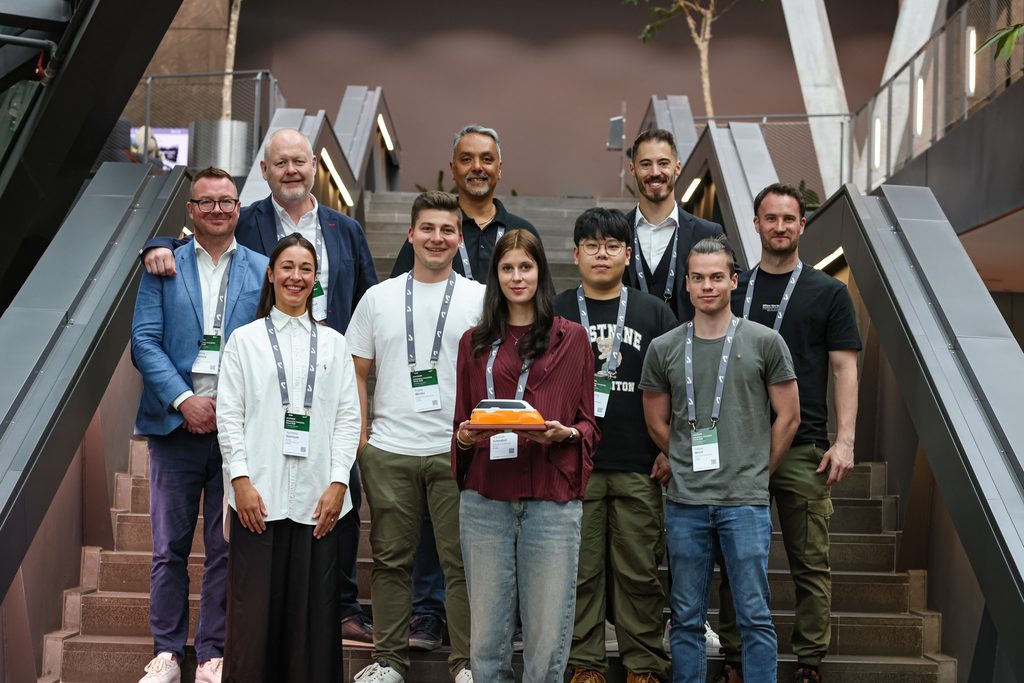
For the school, the experience also reinforced the value of its educational approach. Selb is continuing to invest in its design facilities, with a new studio planned to support physical modeling, digital workflows, VR, and collaborative work.
As the students prepare for the next stages of their education and careers, their project offers a useful lesson for aspiring designers: technical skills matter, but so do curiosity, persistence, collaboration, and the ability to communicate a compelling idea.
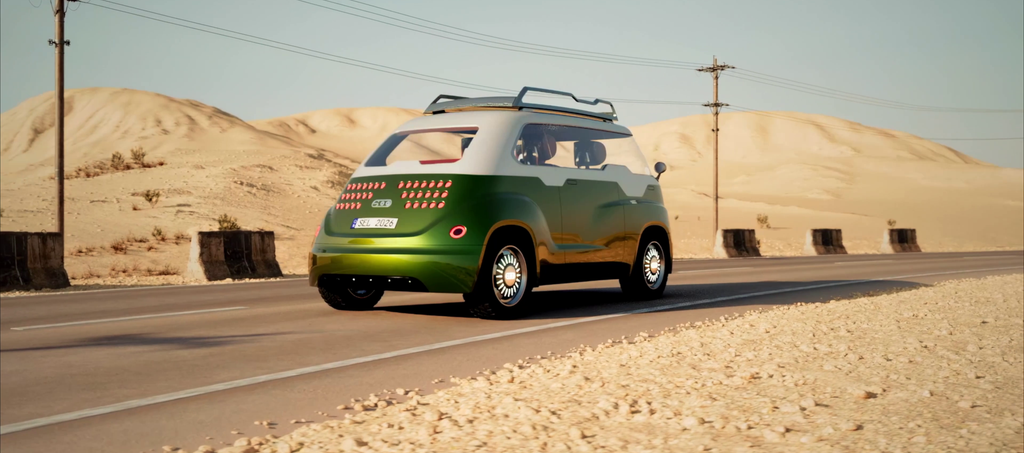
Surface Squad’s winning entry demonstrated something fundamental about automotive design. It’s more than the precision of a surface, the choice of a material, or the impact of a color palette. Those elements matter, but they’re part of something larger.
By imagining Lara’s world and bringing it to life through their design, the students created more than a new interpretation of the Fiat Multipla. They created a vehicle with personality, purpose, and an emotional connection that carried through from the first sketches to the immersive VR experience.
And that’s what made their concept memorable. Surface Squad didn’t just show us what a car could look like. They made us imagine what life with it could feel like.Surface Squad’s winning entry demonstrated something fundamental about automotive design. It’s more than the precision of a surface, the choice of a material, or the impact of a color palette. Those elements matter, but they’re part of something larger.
By imagining Lara’s world and bringing it to life through their design, the students created more than a new interpretation of the Fiat Multipla. They created a vehicle with personality, purpose, and an emotional connection that carried through from the first sketches to the immersive VR experience.
And that’s what made their concept memorable. Surface Squad didn’t just show us what a car could look like. They made us imagine what life with it could feel like.
This story was developed using a blend of human expertise and AI tools supporting the research and drafting. Our team shaped, edited, and fact-checked the final content to ensure accuracy and alignment.
Keep an eye on our blog for more design education content among other design stories and Autodesk solution updates.
Stay connected with the Automotive Design team – browse our videos on our Autodesk Design Studio YouTube channel and get the latest from our Autodesk Automotive LinkedIn page.

Sharpen Your Skills
Alias and VRED Learning Editions are free for non-commercial use. Learn more and start your journey today.