 Autodesk Media & Entertainment
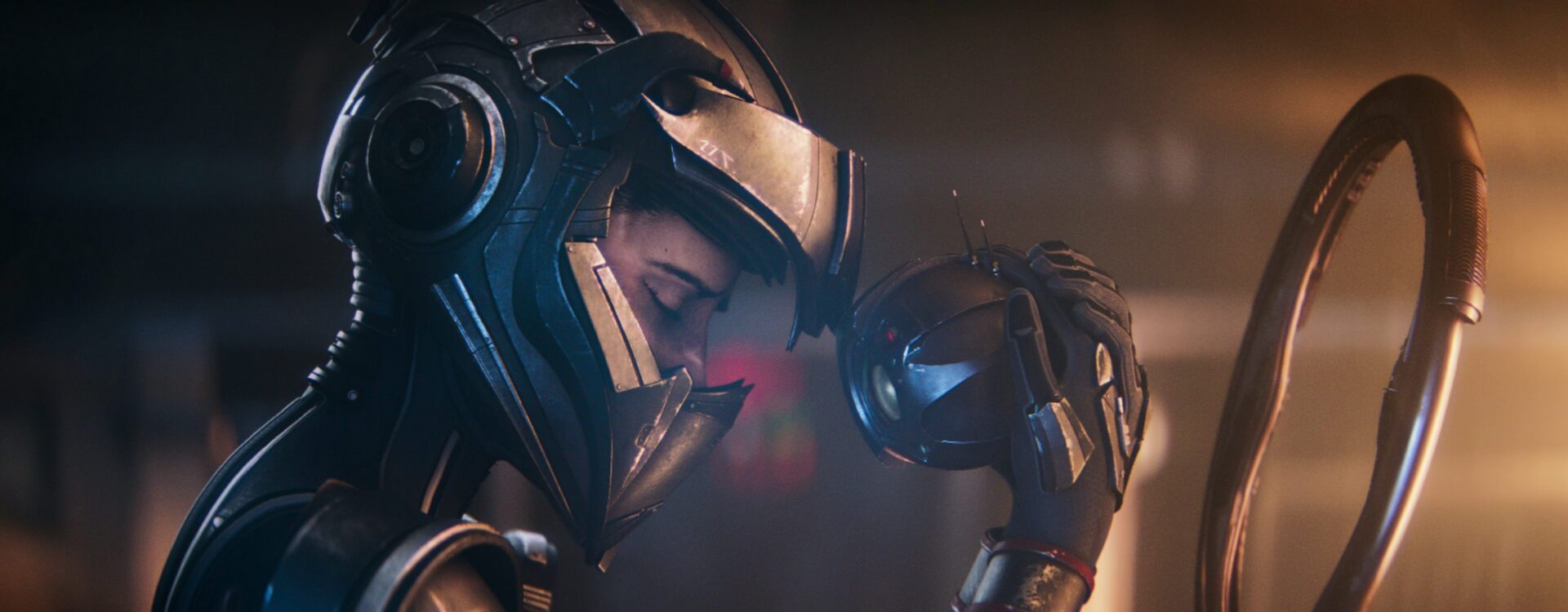
In a year defined by conversations about AI, identity, and what makes us human, one student film dared to ask a deeply personal question: If technology could recreate someone you love, would that be enough?
Last night, the Visual Effects Society celebrated the 24th annual VES Awards, honoring exceptional artistry and innovation across film, television, animation, games, and immersive media. For the 18th consecutive year, Autodesk proudly sponsored the “Outstanding Visual Effects in a Student Project” category, showcasing emerging creative talent on a global stage.
This year’s winning team from ArtFX School of Digital Arts in Montpellier, France – Martin Bluy, Cassandre Cinier, Chloé Coudray, Thomas Courtois, Mathis Giraudeau, Damien Lagadeuc, François-Clément Michez, and Thomas Teisseire – captured that moment with Azimuth, a graduation short that combines epic sci-fi spectacle with a deeply human story of sacrifice and love.
A personal story set against a vast universe
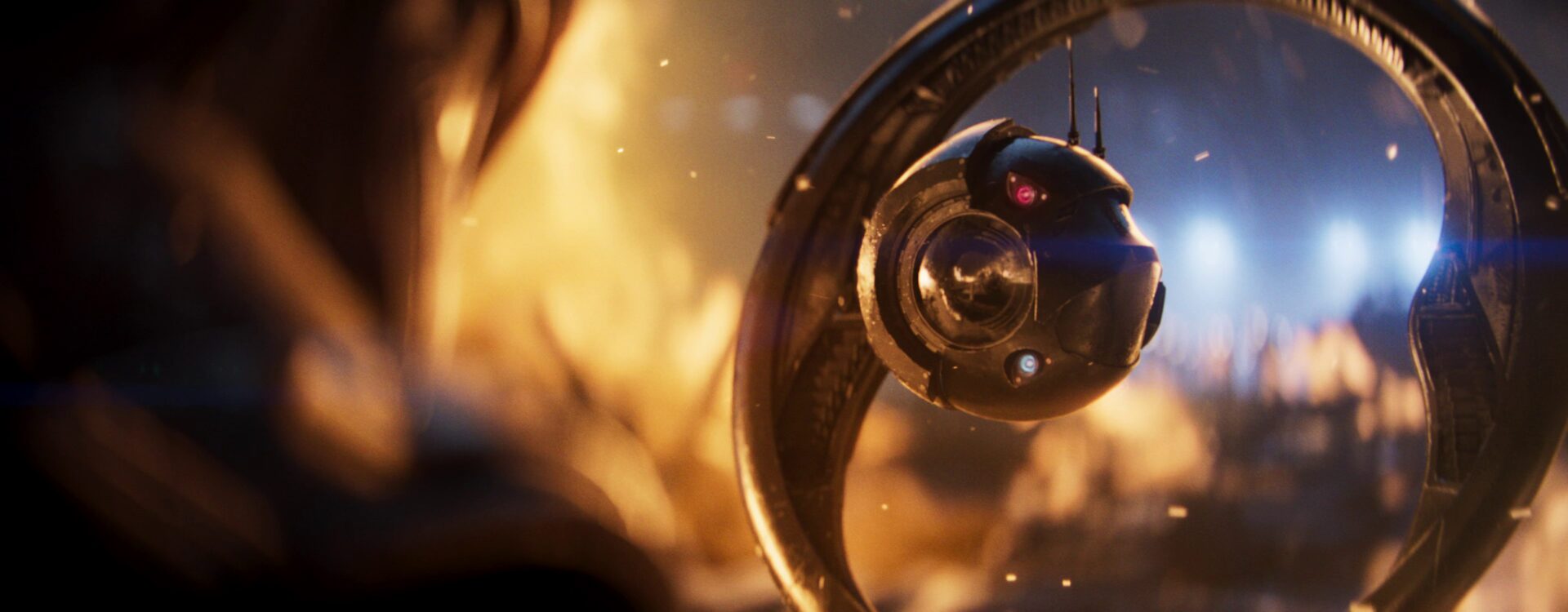
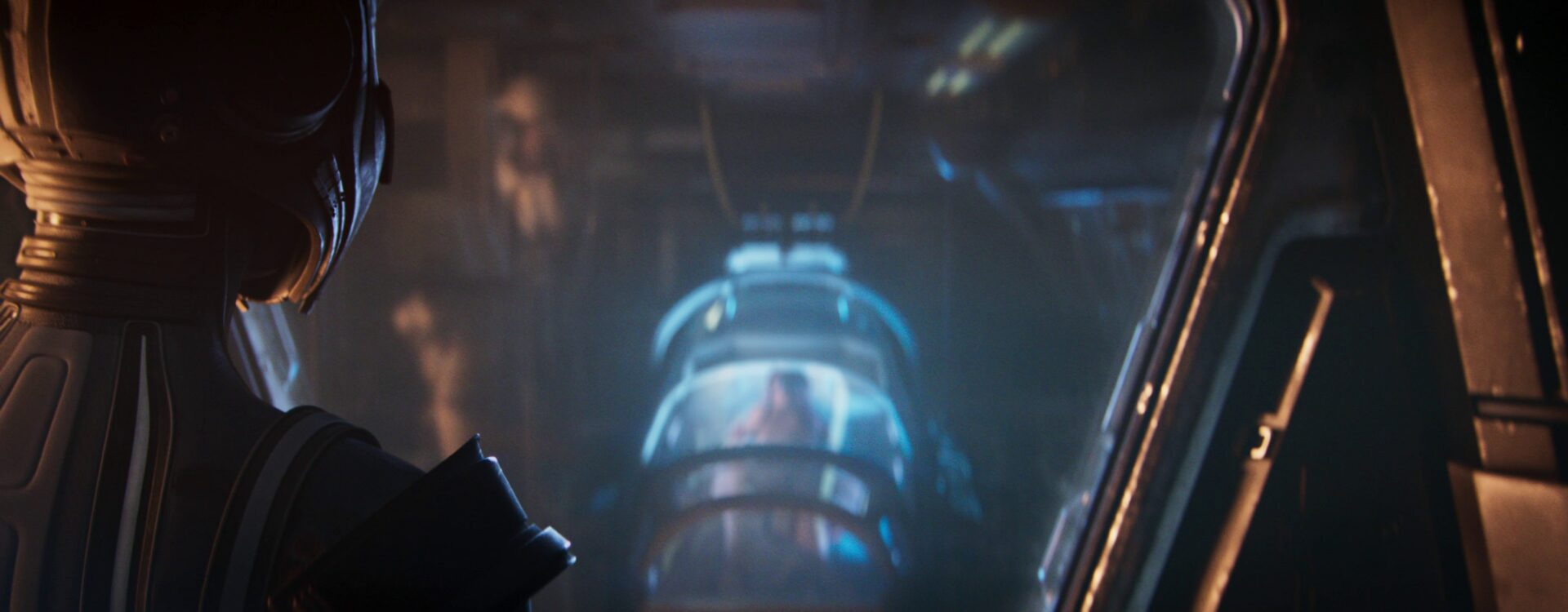
Azimuth follows Hadenna, a young warrior who travels across the galaxy in search of a cure to restore her brother Theos’ physical body. An AI version of him still exists, but for Hadenna, it isn’t enough.
“Azimuth was born from our desire to tell an intimate story of sacrifice between a brother and a sister,” the team explained. “The bond between siblings is deeply unique, and we wanted to explore that emotional connection within a science-fiction universe we could fully imagine and shape ourselves.”
At its heart, the film explores the space between the physical presence of someone and the way we perceive them, between loving someone and letting them go. “Hadenna’s quest to restore her brother’s real body may seem like an act of love, but it also reflects her refusal to accept that their relationship could exist in another form,” the team shared. “She believes she is acting for him when in reality she is trying to avoid facing what she thinks she has lost.”
Rather than portraying technology as the antagonist, Azimuth turns inward, focusing on grief, attachment, and change. As the team describes it, the film portrays “an inner transformation – not rediscovering what was lost, but learning to recognize what still exists differently.” That emotional foundation gives weight to every visual moment that follows.
A cinematic visual style rooted in emotion
Visually, Azimuth blends semi-realistic characters with photoreal textures to create a grounded and believable sci-fi world. Drawing inspiration from film, series, and video games – including a strong homage to 1980s science-fiction – they aimed for “an organic, textured look inspired by anamorphic live-action cinematography, to give the feeling of images captured through a real lens.”
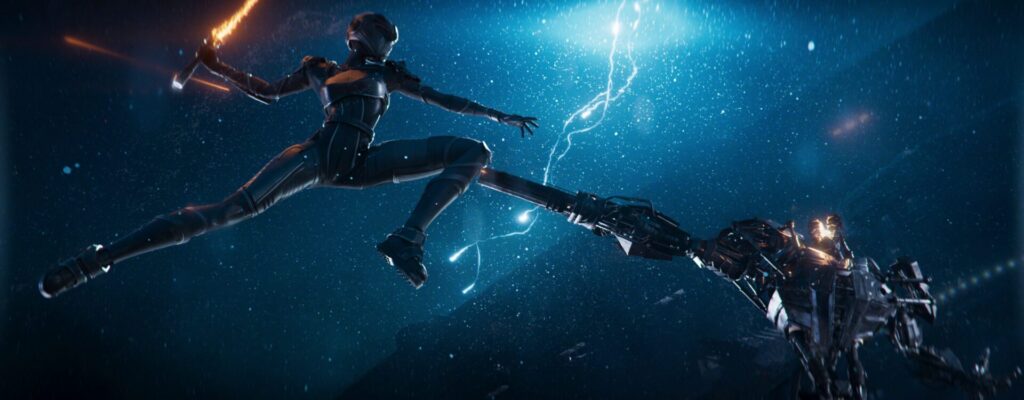
One of the film’s most ambitious sequences is a large-scale robot battle. Instead of fragmenting the action with rapid cuts, the team chose immersion. “The sequence unfolds as a continuous long take, placing the viewer directly alongside Hadenna in the chaos of the fight, sharing her urgency and determination.”
The action was first choreographed using live-action references and edited material from films and games, then translated into layout with a handheld-style camera staying close to her. The entire sequence was keyframe animated in Autodesk Maya, reinforcing the physicality and immediacy of the moment.
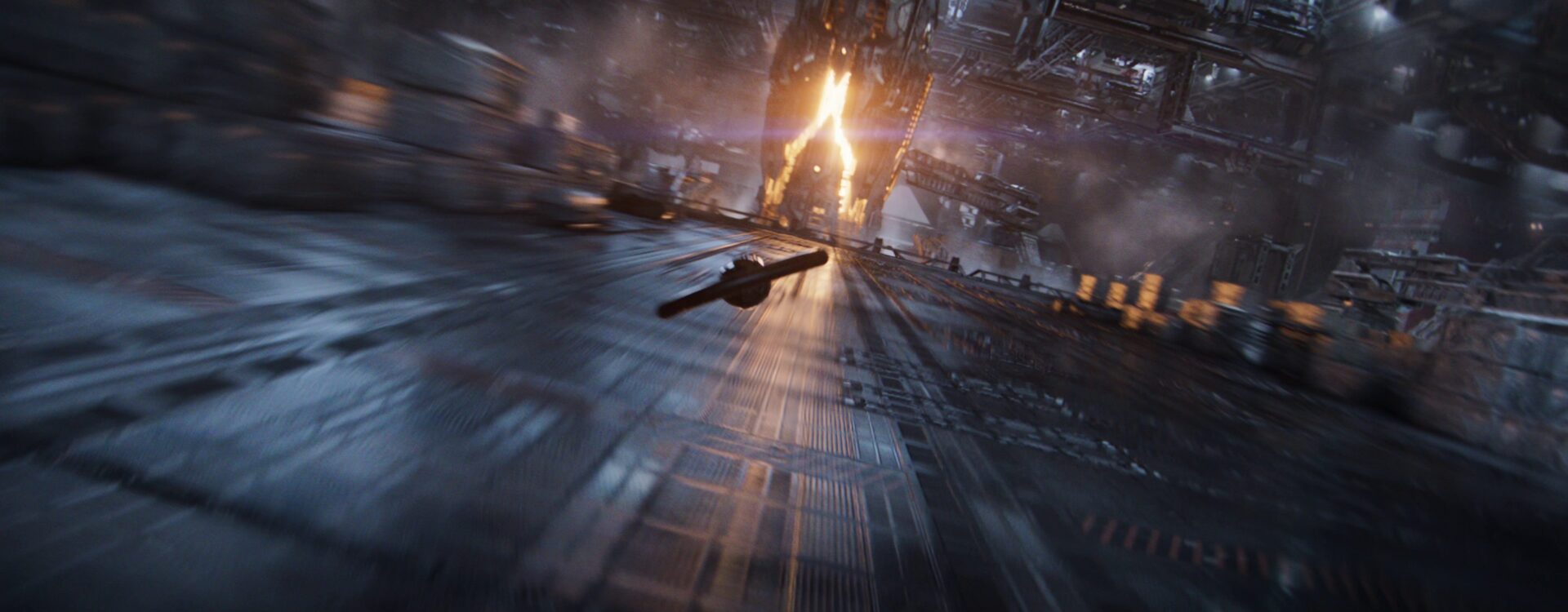
While the battle sequence delivers scale and intensity, the team is especially proud of the film’s opening shot, which required “a highly detailed ground-level simulation of wet soil, tightly linking FX, environment, and animation.” Bringing Theos to life posed a different kind of challenge. “Conveying emotion through an extremely minimal design” demanded careful performance work. And in the final confrontation, the team explained that “beyond large-scale destruction, the real challenge was preserving emotional intimacy through subtle performance, making their farewell deeply felt.” Even amid intergalactic battles and expansive environments, the emotional truth of the characters remained the guiding force.
Building a professional pipeline as students
For a graduation project, the scale of Azimuth is remarkable. “We structured production like a scaled-down professional studio pipeline,” they explained, with a project manager coordinating departments and clear leads overseeing directing, art direction, cinematography, animation, CG, and FX, including internal tool development. “Strong communication and mutual trust between departments were essential, allowing us to constantly adapt while maintaining overall visual and emotional consistency.”
Autodesk tools played a key role throughout the project. “Maya was central to the film’s production,” the team shared. “It was used for modeling, rigging, animation, and much of the layout – including the full creation of Hadenna from model to performance.” They also developed a reusable hard-surface kitbash library in Maya, enabling efficient construction of environments ranging from cockpit interiors to large-scale structures while maintaining visual consistency.

For final rendering, Arnold proved essential. “With many light sources, dense volumes, and emissive effects, we needed a renderer capable of accurately handling complex atmospheric light interactions directly in-render,” they explained. Arnold provided “the stability and physical accuracy required to maintain a cohesive look throughout the film.”
In addition, working with USD and managing a complete production pipeline gave the team hands-on experience with real studio workflows – preparation that has already paid off. “Since graduating from ArtFX, we’ve joined studios or completed major internships across the CG and VFX industry,” they noted. “Azimuth played a key role in preparing us for studio life.”
A defining moment
After nearly two years of intense work, learning of their VES nomination and win felt surreal. “It felt like a suspended moment in time and a powerful validation of everything we shared as a team. Being recognized by leading figures in the visual effects industry is a true honor and something we’re deeply grateful for together.”
For aspiring artists, their advice reflects the same humanity at the core of their film: “Trust your creative voice – your personal vision is what makes you stand out. Surround yourself with passionate, supportive collaborators, and stay curious. Keep learning, experimenting, and growing – constant evolution is at the heart of a VFX career.”
With Azimuth, these ArtFX graduates remind us that even in a galaxy filled with machines, the most powerful force is still human connection. In a world increasingly shaped by technology and AI, their film offers an answer to its central question: what makes us human is our capacity to love, to grieve, and to grow.