 Autodesk Media & Entertainment
Xilam Animation, a renowned French animation studio founded in 1999, has become a leader in 2D and 3D animation. The studio creates, produces, and distributes original content for children and adults alike, with its work broadcast in more than 190 countries worldwide. Xilam’s rich catalog features iconic titles such as Oggy and the Cockroaches, Zig & Sharko, and the award-winning feature film I Lost My Body. When recently producing the ambitious animated series Twilight of the Gods for Netflix, the Xilam team delivered a high-quality animation that seamlessly blended 3D crowds within a 2D visual style.
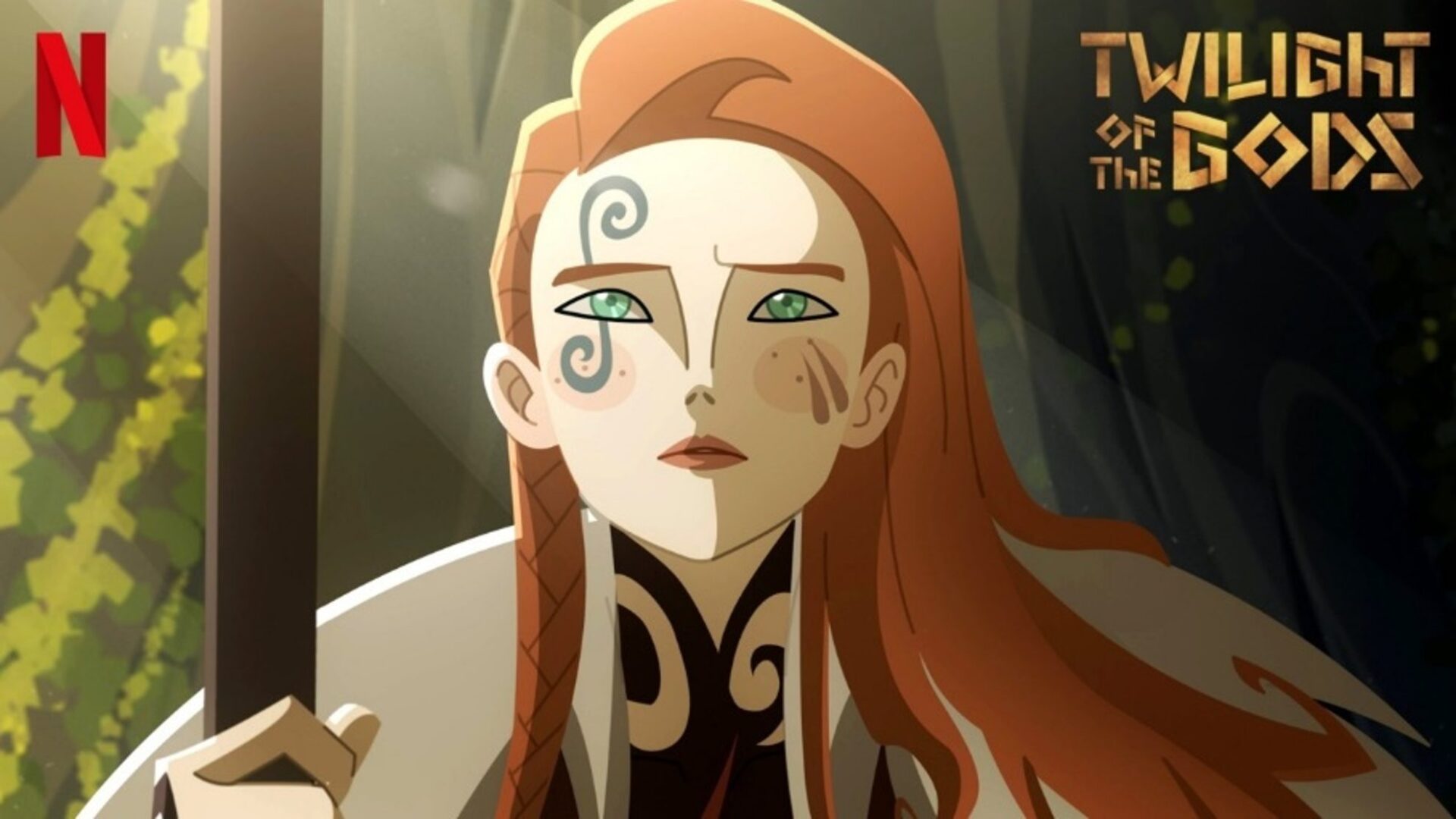
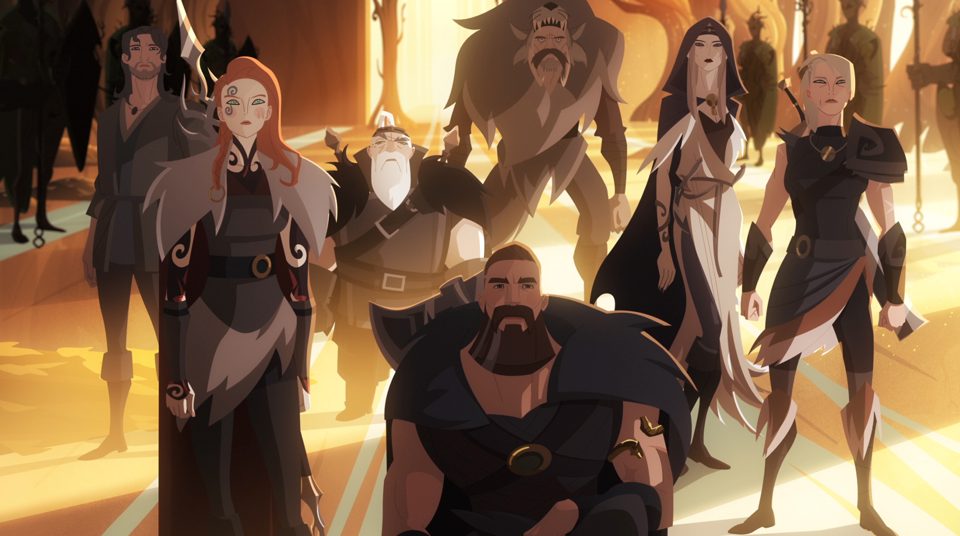
Co-created and co-directed by Zack Snyder (300, Wonder Woman, Justice League), Twilight of the Gods is based on Norse mythology and the war between the Aesir and Vanir gods. Animating it involved more than 150 people across Xilam’s four studios and what Vincent Roche, Technical Director at Xilam, calls an “intense and inspiring two-year journey” to deliver eight episodes for the series.
Twilight of the Gods was conceived as a traditional 2D animation production but enhanced with technical contributions from CG. Xilam’s goal was to preserve all the graphic richness of hand-drawn animation while taking advantage of the power of CG tools for more ambitious sequences, especially the battle scenes.
When 2D and 3D worlds collide
Vincent says all the 2D and CG artists, technical departments, supervisors, and pipeline engineers were thrilled with the opportunity take on such a large-scale project aimed at an adult audience. They all had to work closely together to meet the artistic and technical challenges of producing a wide range of characters, numerous environments, epic battles, and plenty of VFX for the shows’ bold 2D aesthetic.

“Working with Zack Snyder was an inspiring experience,” Vincent says. “It was truly rewarding. He gave us strong creative direction while also allowing the team to propose technical and artistic solutions. What we appreciated most was his trust in our expertise and his openness to collaboration.”
In recent years, Xilam’s work has evolved with the increasing hybridization of production pipelines combining 2D and 3D techniques to create visually unique worlds. The big challenge of Twilight of the Gods was dialing in the right balance between the two production styles. Maintaining artistic consistency in line with the director’s vision took very close collaboration. “As a technical director,” Vincent says, “this means constantly rethinking our tools and workflows to make the most of each technology, while staying within the available budget.”
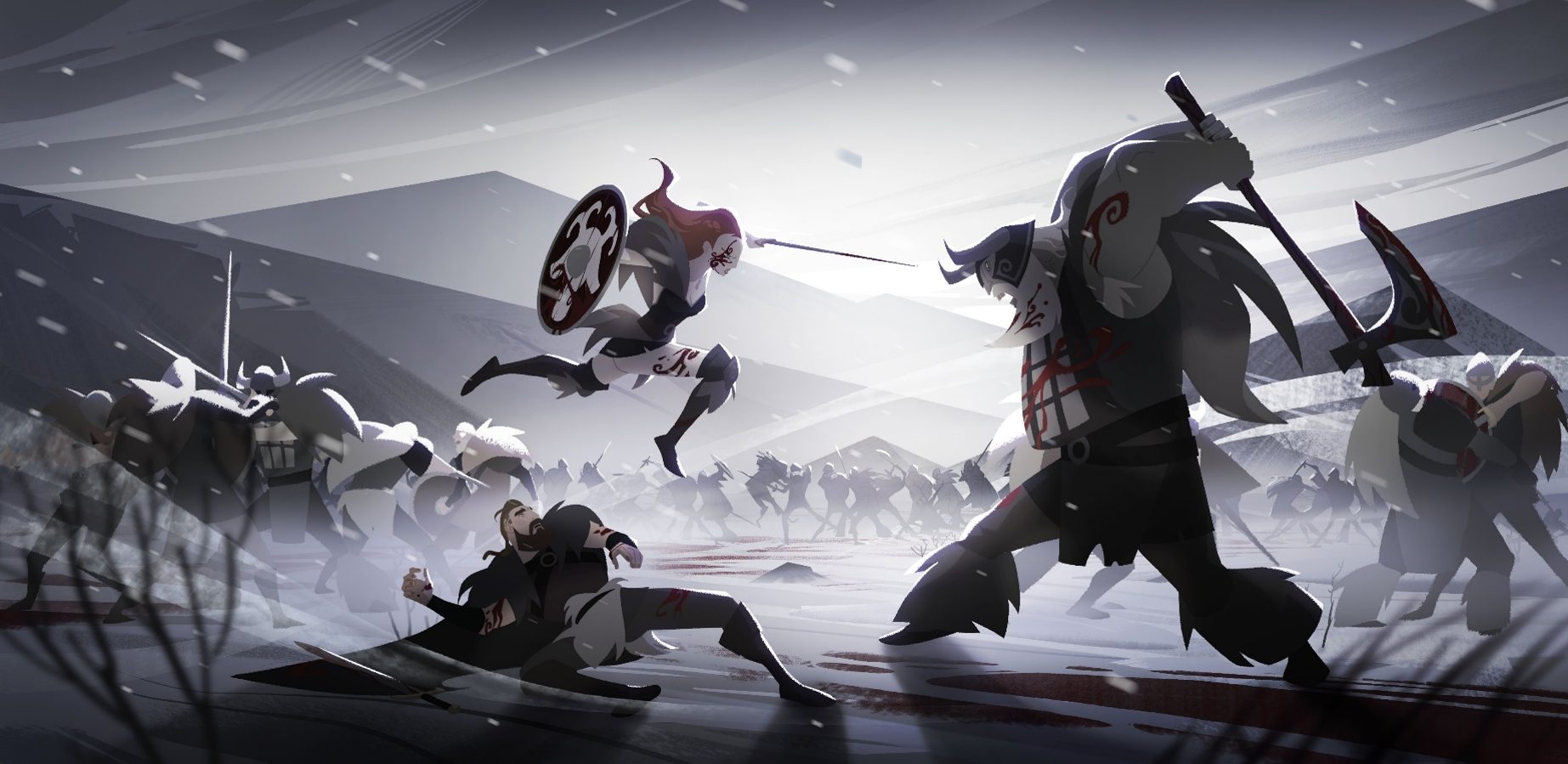
Xilam didn’t use any 2D puppets and carried out every step of the traditional animation process, from animation posing, rough, clean, and color. They then introduced CG for certain animation references, such as the six-legged horses. However, the most advanced CG use was for creating crowds in the large-scale battle scenes.
Filling battlefields with Golaem
Xilam sought to integrate CG elements into the largely 2D animated series seamlessly, so no one would notice the contrast. It was the studio’s biggest challenge for the show, and it culminated in the final battle scene, featuring several hundred characters fighting simultaneously.
Pulling off the hybrid visual required both a rendering style consistent with the 2D aesthetic and an animation style that didn’t look “too perfect” and give away the presence of simulated crowds.
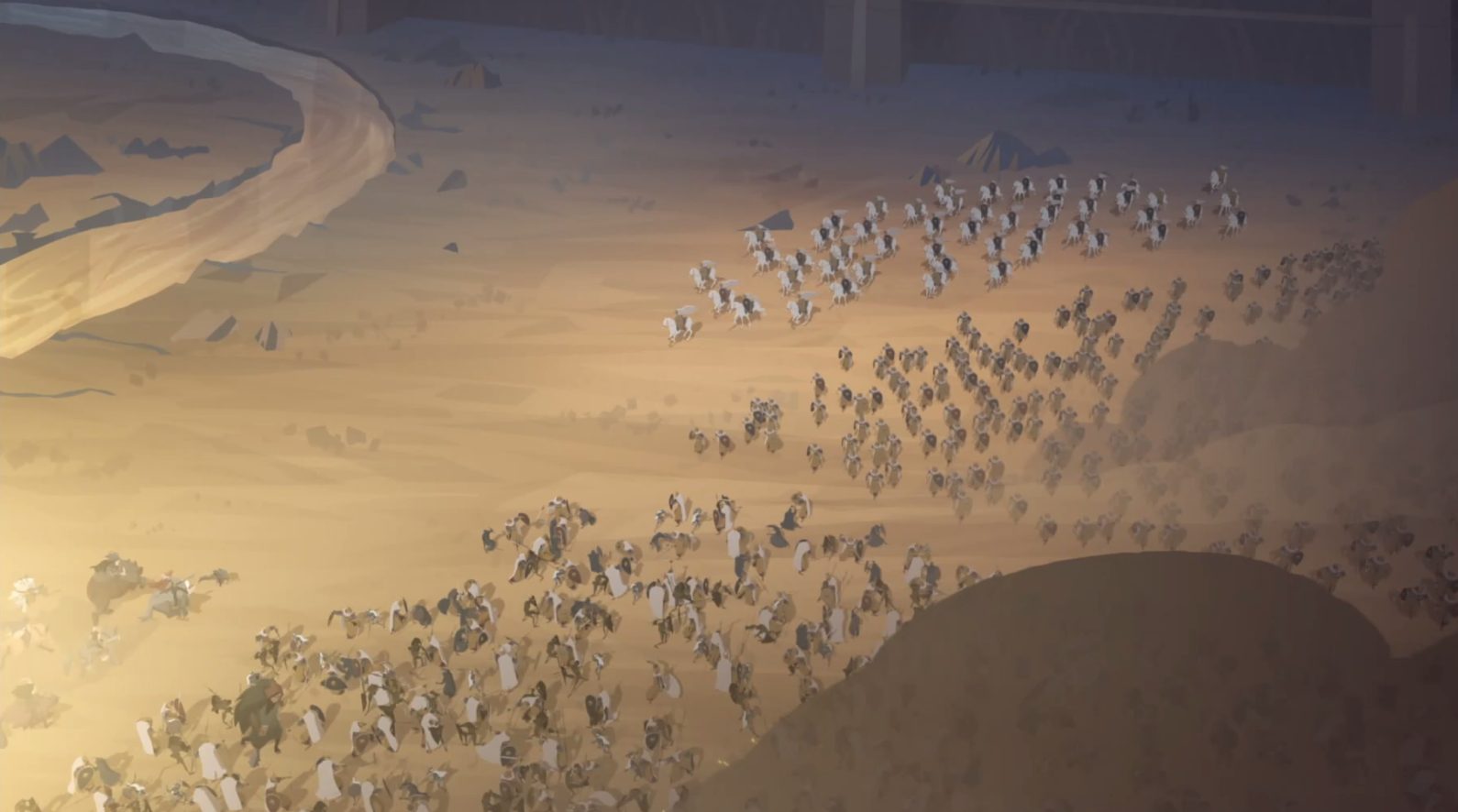
Xilam chose to use Autodesk Golaem for Maya to handle crowd simulation and animation for these large-scale shots. Citing Golaem’s powerful and flexible capabilities, Vincent says the tool delivered the scale and control they needed. Because Golaem is a plug-in for Maya, it also provides them with increased pipeline efficiency.
Vincent says they were worried that crowd simulations would make the CG stand out. However, with Golaem, they were able to fine-tune the characters’ behavior and readability to completely integrate visually with the 2D animation. Golaem allowed them to ensure the crowds matched the exact 2D look and feel they wanted.
They based their Golaem visuals off the main 2D character performances made in Toon Boom Harmony. Golaem’s Layout tool was essential in preserving that 2D aesthetic. They used its precise controls to adjust the crowd characters’ positions, timing, and interaction behaviors without having to rerun the entire simulation.
The artists opted for different simulation approaches. Some crowd characters appeared quite close to the camera, with a high level of detail and readability, while lower-resolution versions were prepared for background use. Varying the scale in this way required careful attention to visual consistency, Vincent says.
Approved simulations flowed back into Maya’s lighting and rendering tools, before being reintegrated into the 2D pipeline. “Thanks to this workflow, we were able to handle very complex shots while maintaining a perfect visual consistency with the 2D style of the series,” he says. “Seeing these crowds energize the big battle scenes while remaining invisible as a technique is incredibly rewarding.”
This accomplishment was above all the result of a strong team effort: the 2D and CG departments worked hand in hand to ensure that these complex sequences blended naturally, without ever breaking the immersion. It was a major challenge, both in terms of rendering and animation, and the Xilam team achieved a balance that fully respects the artistic style and vision of the project.
“I would like to give special thanks to my technical team for their commitment to the project: Hugo Paquin and Lilian Penzo, who provided invaluable support throughout production, and Guido Pollini and Guillaume Arnaudo, who developed the tools that helped evolve our production pipeline. Their work was essential in overcoming the technical challenges of the series.”
Create and control multiple characters or creatures in your scenes with
Golaem for Maya, available exclusively in the Autodesk Media & Entertainment Collection.