Case Studies
Filter by:
All filters
-
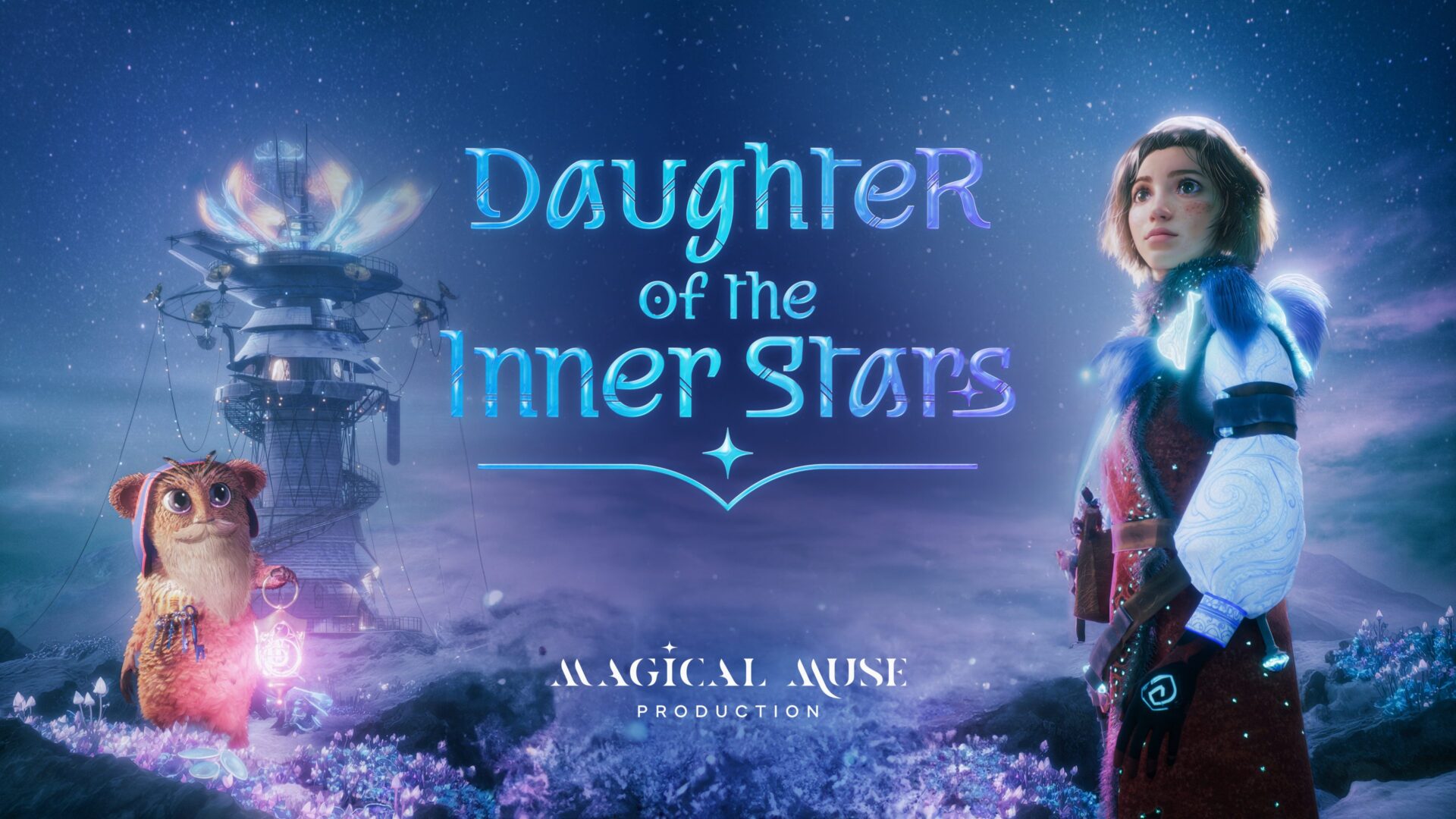
How Inferstudio Used Flow Studio’s AI Mocap to Make a 3D Animated Film They Didn’t Know Was Possible
Daughter of the Inner Stars is a 50-minute symphonic orchestral experience that blends live narration, original animation, and Nicholas Buc’s cinematic score into a richly imagined family adventure. Built from the ground up, its visual world spans mythical characters, fantastical spacecraft, and wild architecture on even wilder planets. The saga follows Fia, a courageous young…
Animation
-

Character Animation on a Deadline: How Pigmalion Animation Studio Uses Autodesk Flow Studio
Starting an animation studio at 22 is ambitious anywhere. Doing it in Colombia, far from the industry’s traditional production hubs, adds another layer to the challenge. But Felipe Fierro has been finding his own way into animation for most of his life. He began studying Autodesk 3ds Max at an Autodesk Authorized Training Center at just 12…
Flow Studio
-
Inside UMBRAL: Cinematic Archviz with Flow Studio’s 3D Editor + Canvas
What if, instead of simply generating an image of a space, you could step inside it, find the right camera angle, shape its visual identity, and decide how an audience moves through it? That question sits at the heart of UMBRAL, a cinematic architectural visualization experiment by Didier Ramírez, created using 3D Editor + Canvas in Autodesk Flow…
Flow Studio
-

Sony Pictures Imageworks shows 25 years of character evolution with Autodesk Maya
From Stuart Little to the Spider-Verse films to KPop Demon Hunters, learn how Maya helps artists create performances that resonate with audiences around the globe. It all started with Stuart Little in 1999. For Sony Pictures Imageworks, the film marked an early turning point in its character pipeline, as the studio used a prerelease version of Autodesk Maya to build Stuart’s modeling, rigging…
Maya
-
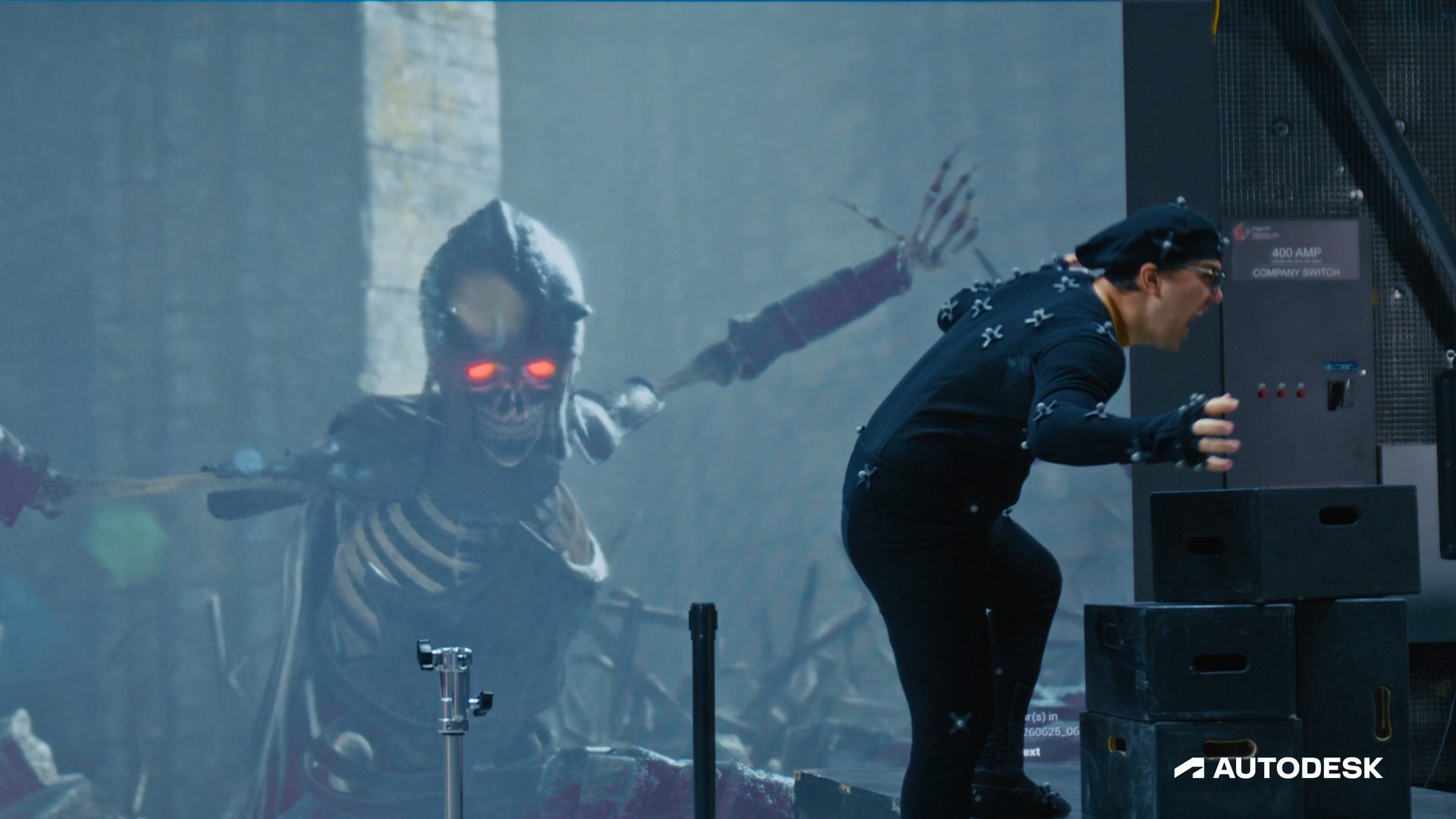
AI Doesn’t Have to Mean Generic Output: How MotionMaker’s ‘Bring Your Own Data’ Amplifies Stylized Animation
Animation has always been about more than movement. It’s about style. The little details that make an artist’s or a studio’s work recognizable as their own. And that’s exactly what’s at stake as AI animation tools start showing up in professional pipelines, where there’s a real risk everything starts to feel the same. But what if AI could amplify your style, rather than homogenize it?…
Maya
-
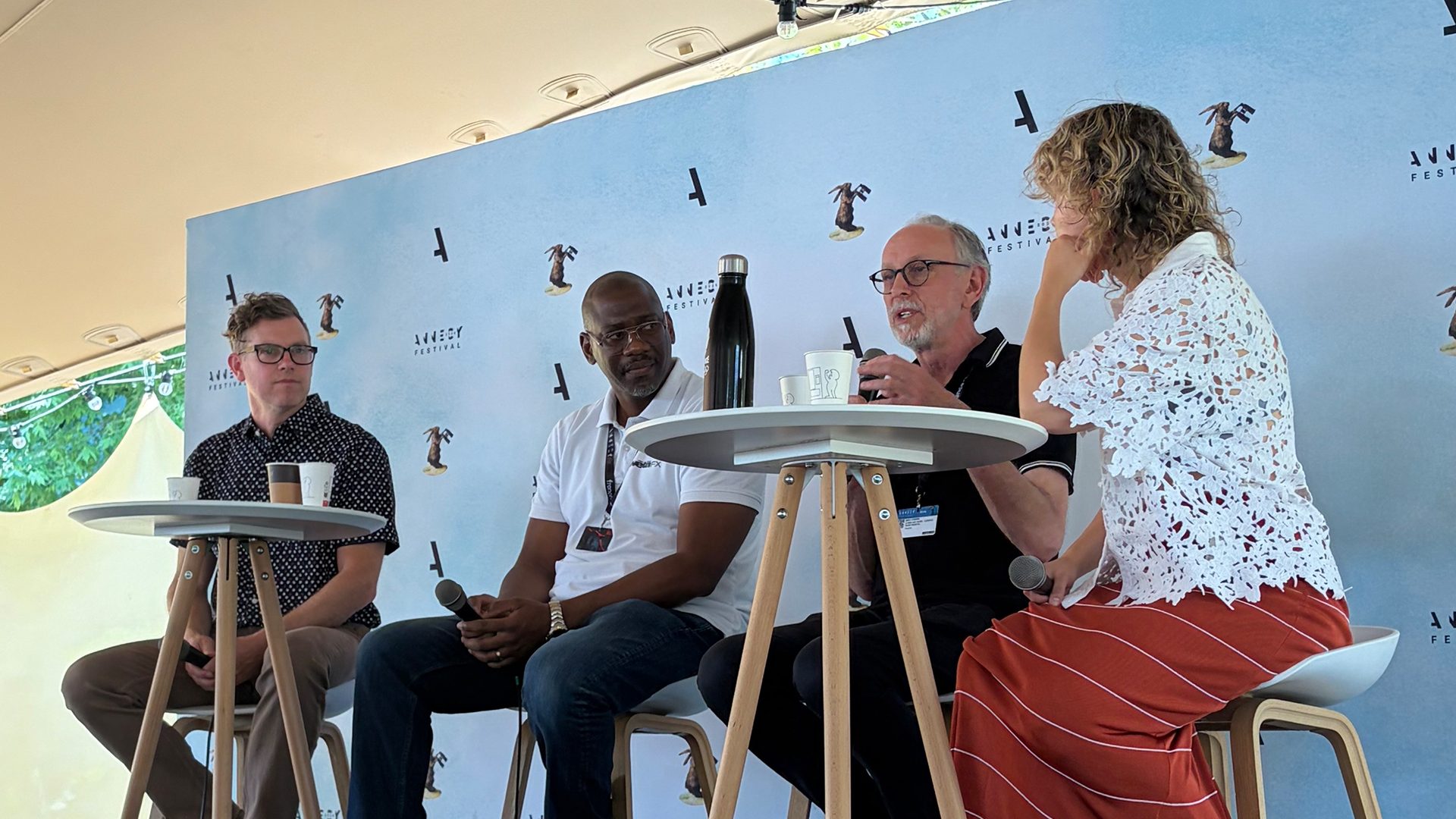
Can we all win? GOBELINS Paris, Wētā FX, and Autodesk discuss AI in animation
Hear from GOBELINS Paris, Wētā FX, and Autodesk about how AI is changing day-to-day workflows while the magic of animation and storytelling remains inherently human. AI is reshaping animation, from the tools artists use to the creative decisions studios make and the guidelines that define responsible adoption. As AI becomes part of the production pipeline, a bigger question…
Maya
-

Pixar evolves its legendary characters from ‘The Incredibles’ with Autodesk Maya
Learn how character lead and film director Lou Hamou-Lhadj has refined character modeling and rigging, and how he approached updating the beloved Mr. Incredible for Incredibles 2. When Pixar released the original The Incredibles in 2004, it immediately set a new standard for animation style and technical prowess while bringing a fresh spin to the superhero genre. The film was both a…
Maya
-

AI motion capture for beginners: How Autodesk Flow Studio helped a NJIT student gain portfolio recognition
AI-assisted motion capture is changing how animation students learn and create. This article explores how New Jersey Institute of Technology (NJIT) student Giovanni “Gio” Crocco used Autodesk Flow Studio and Autodesk Maya to streamline his animation workflow, iterate faster, and build a standout portfolio project using markerless motion capture. With the Autodesk Flow Studio Education plan, eligible university students (18+) get access to everything included in the Lite tier, plus USD exports. …
Visual Effects
-
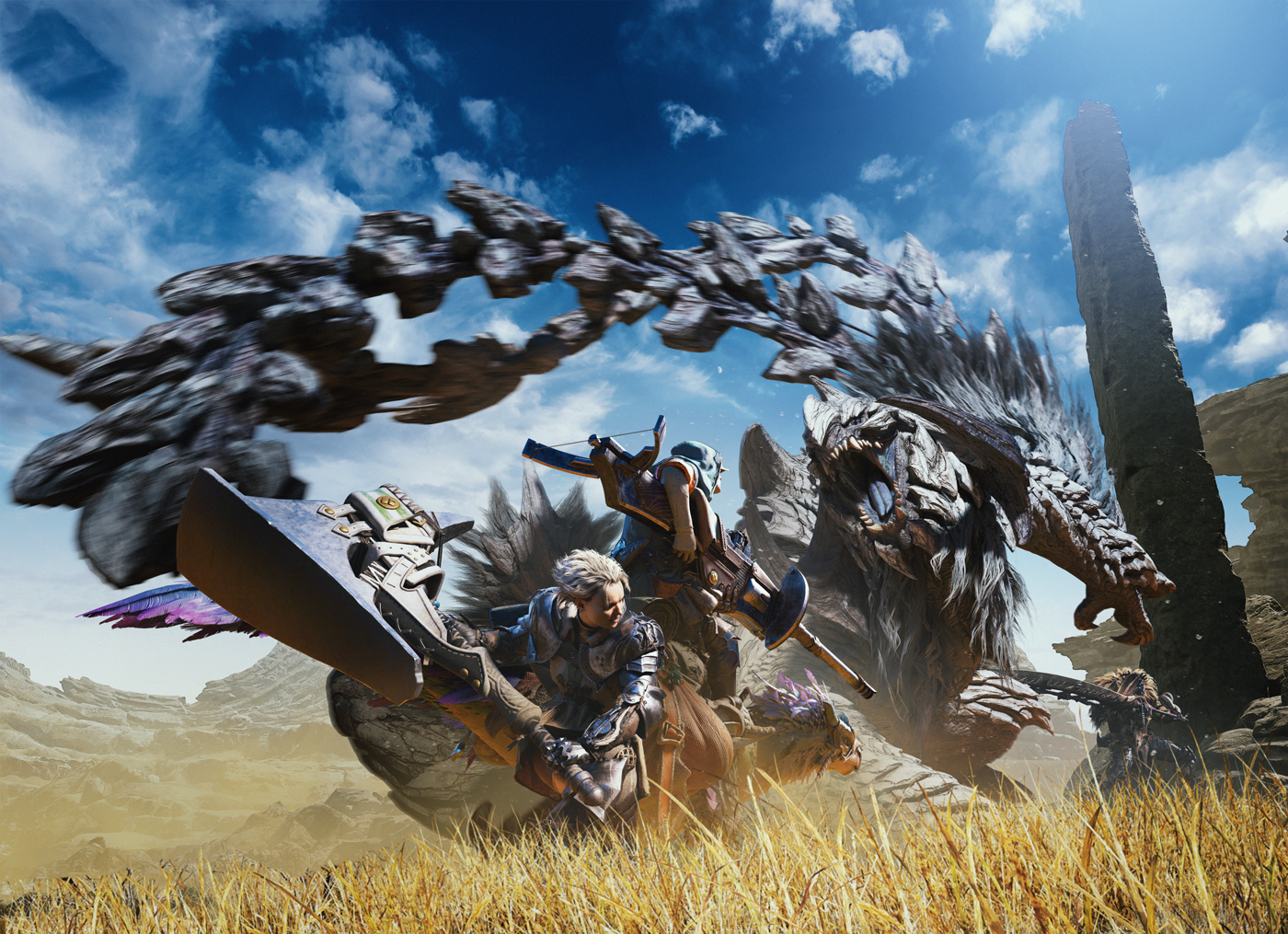
The Production Infrastructure Behind Capcom’s Monster Hunter Wilds: How Autodesk Tools are Used in AAA Game Development
Original article published on Autodesk AREA Japan Monster Hunter Wilds, the latest title in the Monster Hunter series, was released in February 2025. The game’s immersive experience stems from its depiction of monster ecology across expansive locales, detailed background environments, and the dynamic gameplay of the hunters. Underpinning this immersive world is a sophisticated production…
Game Development
-
Inside the VFX of Oscar-Nominated Frankenstein with Mr. X
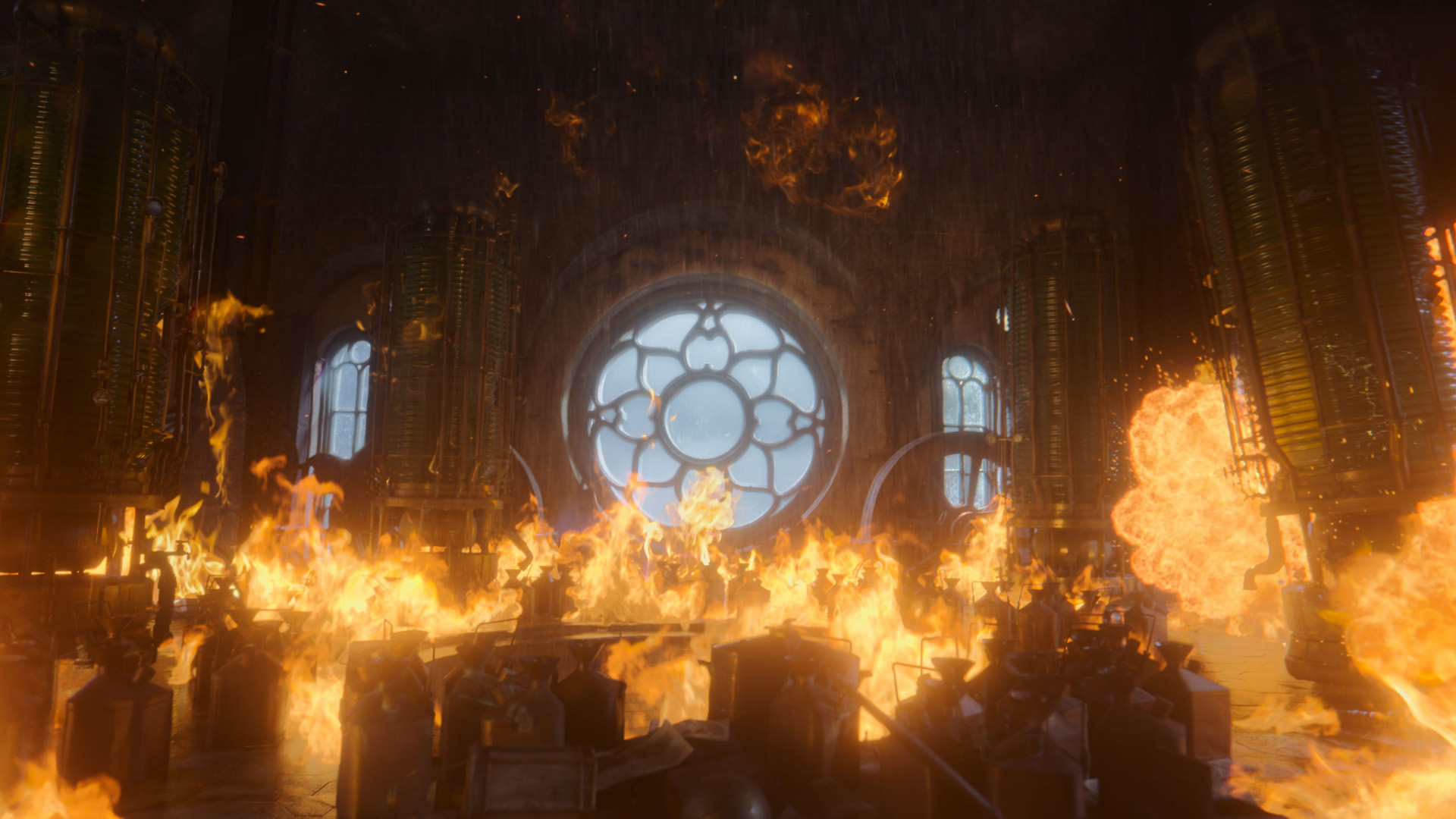
Visionary director Guillermo del Toro had been dreaming about making his own adaptation of Mary Shelley’s Frankenstein for more than three decades. Best known for projects like the 2006 film Pan’s Labyrinth and The Shape of Water in 2017, Frankenstein was, he said as early as 2007, a film he “would kill to make.” The film launched on Netflix on November 7th, and was…
Case Studies