 Autodesk Media & Entertainment
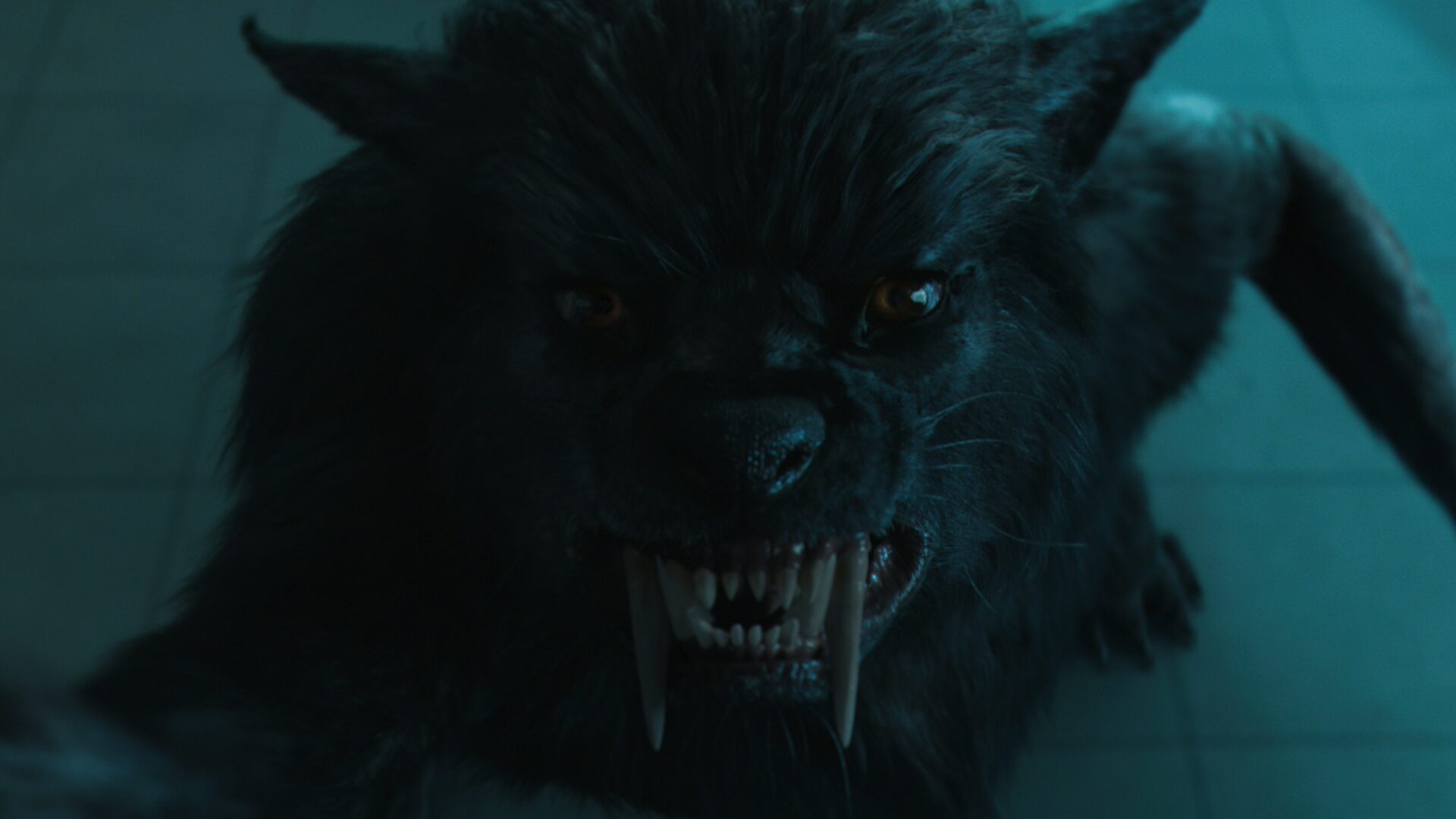
From the towering gothic architecture of Nevermore Academy to the ferocity of its werewolves, go behind the scenes with Rodeo FX on their visual effects work for Wednesday Season 2. Using the Autodesk Media & Entertainment Collection, the team delivered immersive environments and creature effects that expand the show’s dark, iconic world that fans love.
Hear from Nick Colangelo (VFX Producer), James Hood (CG Supervisor), Martin Hesselink (Animation Supervisor), and Mariano Mendoza (Asset Supervisor) as they break down the artistry, technology, and collaboration behind one of Netflix’s most visually striking series and see how world-class VFX helps tell a story anything but ordinary.
Transforming Enid into a 12-foot-tall werewolf
One of the most complex challenges of Season 2 was Enid’s werewolf transformation sequence. “If we didn’t get that right, the finale wouldn’t have worked.” says James Hood, CG Supervisor at Rodeo FX.
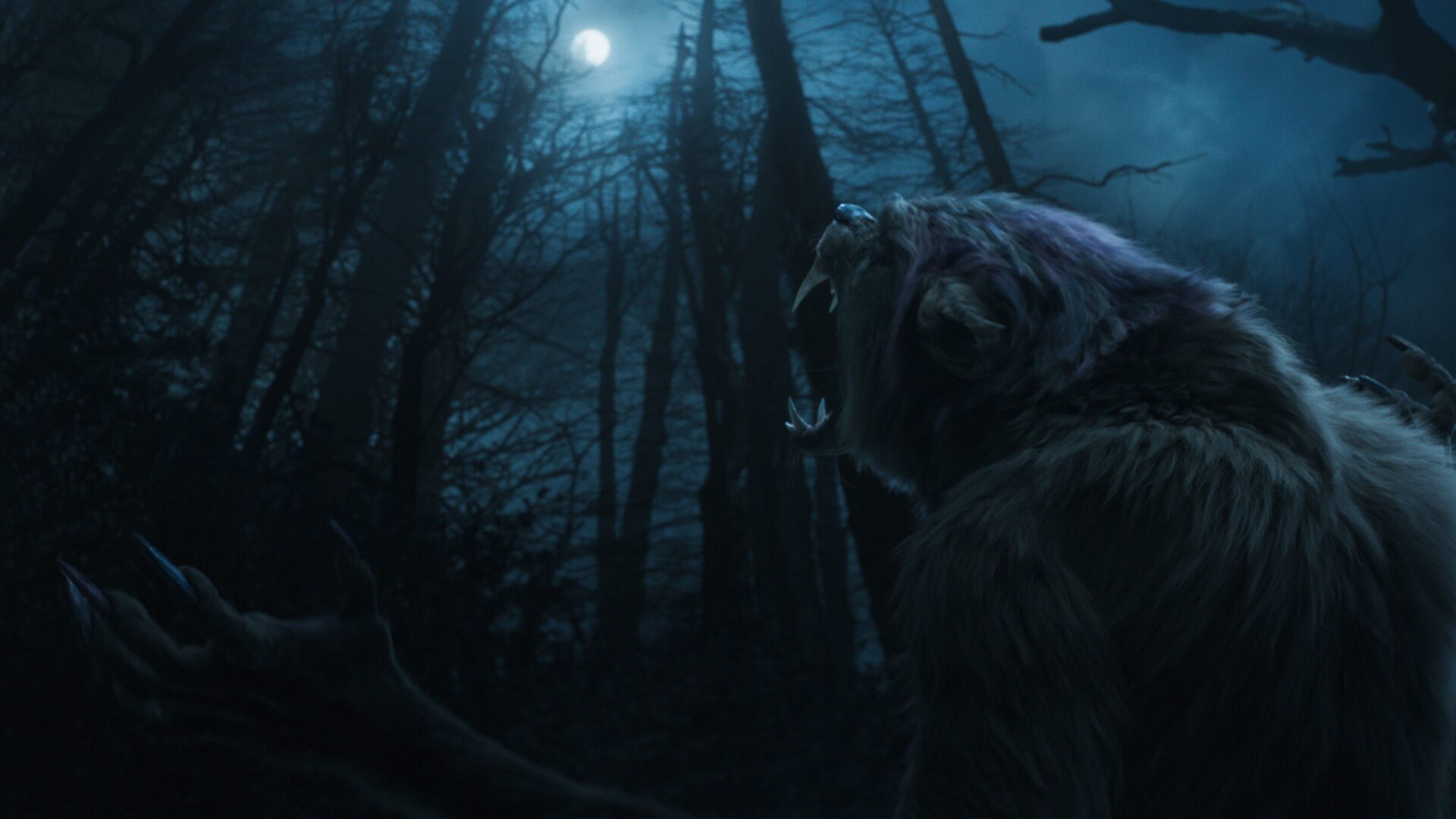
The team worked closely across animation and CFX to develop new workflows that could handle the dramatic shift from human performance to a towering, stylized creature. Using Autodesk Maya and MotionBuilder, animators layered motion capture with custom animation to preserve performance while pushing proportions far beyond human limits.
Muscle deformation, skin flexion, and proportion shifts all had to feel believable – even as Enid transformed into a 12-foot monster with elongated limbs and stylized fur. A circular workflow between MotionBuilder and Maya allowed them to iterate quickly, refine the animation on a per-shot basis, and tailor performances to both camera and story requirements.
Building Nevermore Academy
In Season 2, Nevermore Academy was a fully CG environment. Guided by Tim Burton’s distinct visual style, Rodeo FX designed the environment as a fully modular asset, giving the team the flexibility to reshape the castle shot by shot.
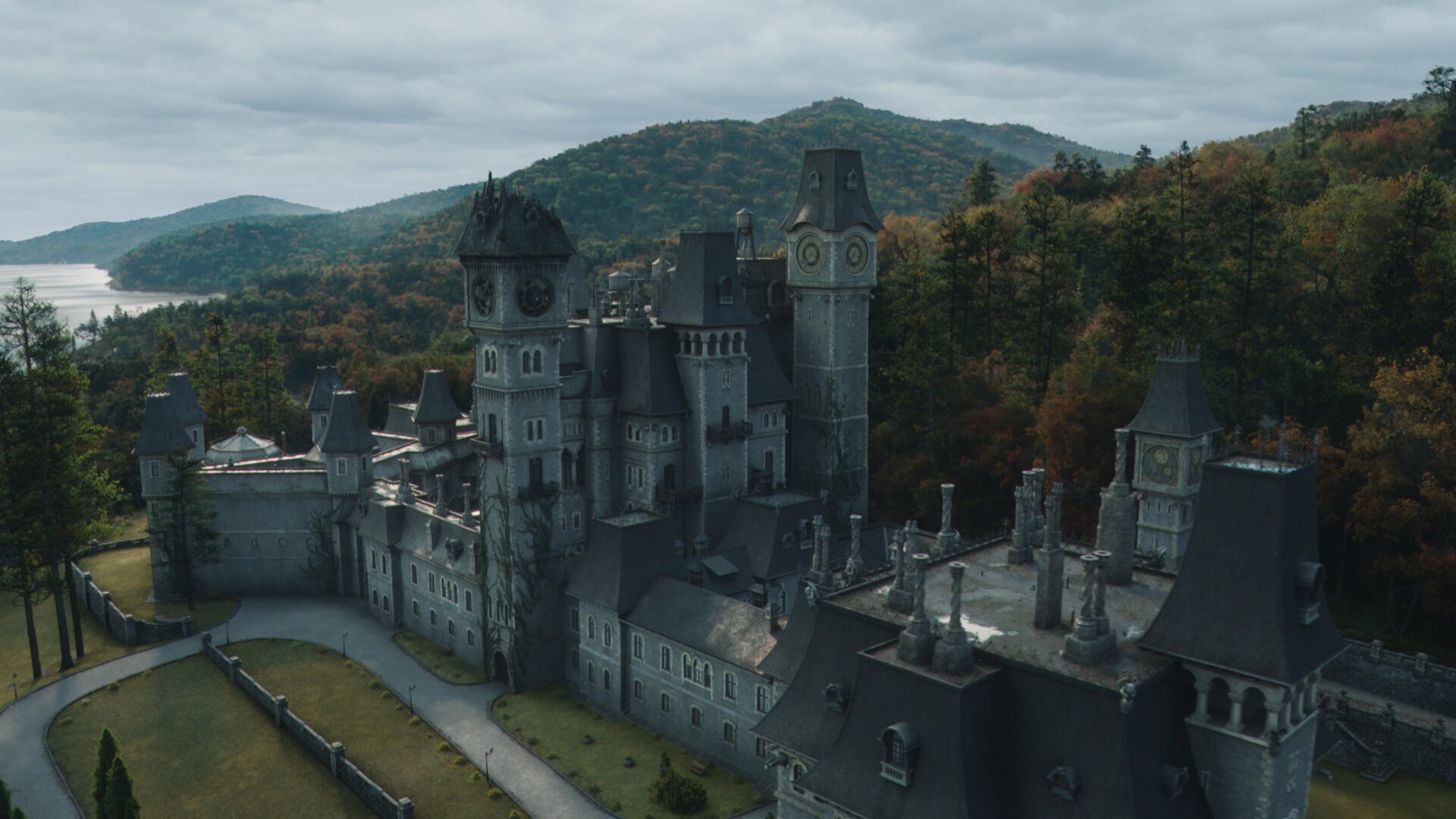
Towers could be raised, buildings shifted, and compositions adjusted to match the mood and framing of each scene. This modular approach allowed the environment to evolve with the story while maintaining visual consistency.
Using Maya and Arnold, and a pipeline based on OpenUSD, the team built detailed models, shaders, and lighting setups that supported multiple variations – from wet and dry landscapes to seasonal forest changes surrounding the academy. “Maya is the right tool, because it’s the industry standard, which means that from a modeler to an animator, to a rigger, we all speak the same language.” says Mariano Mendoza, Asset Supervisor at Rodeo FX.
A fully integrated toolset
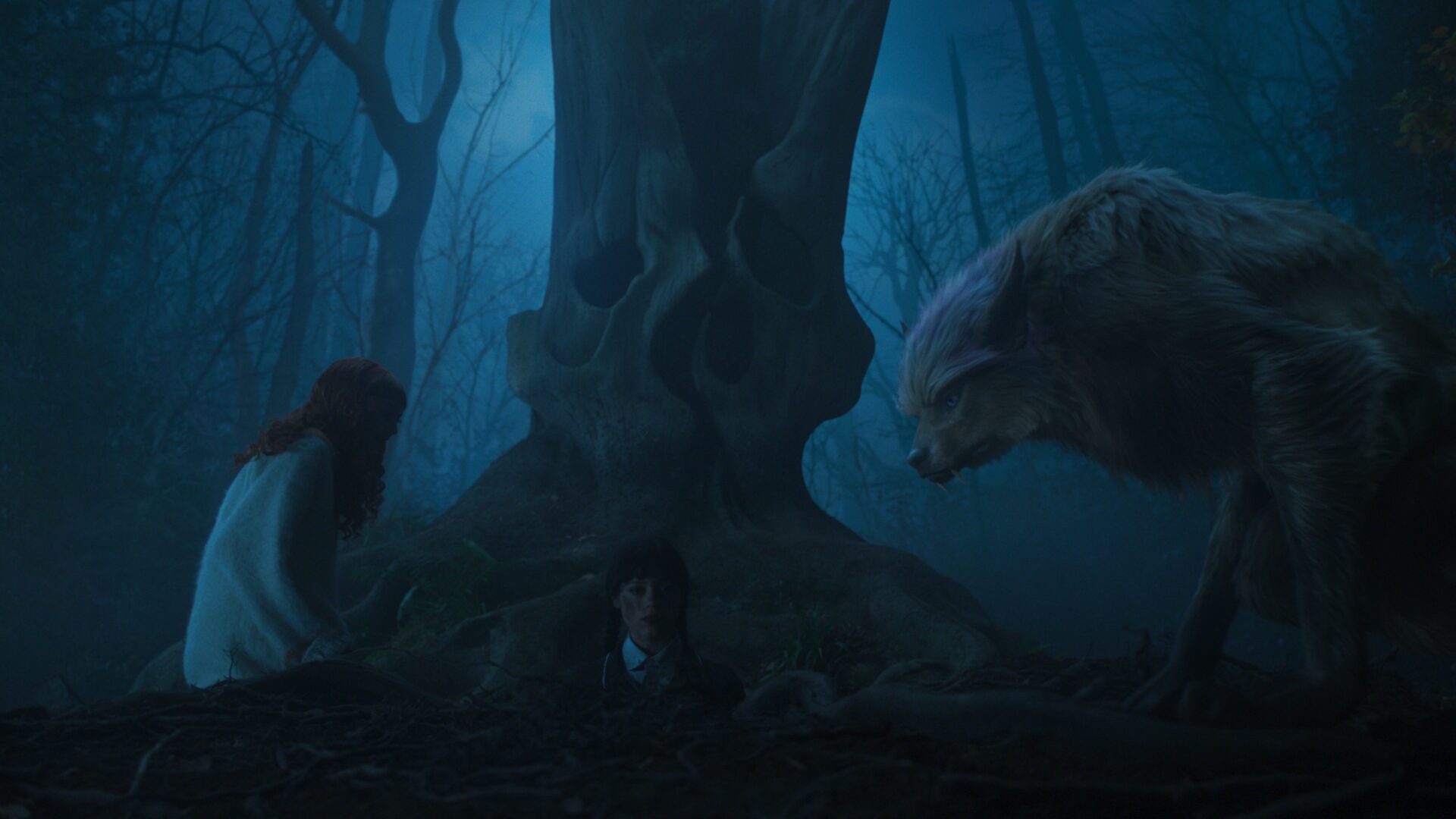
Bringing together complex creature animation and a fully digital, evolving environment required a toolset that could scale with both creative and production demands. For Rodeo FX, the Media & Entertainment Collection provided that umbrella, connecting animation, modeling, look development, and rendering into a flexible, production-ready pipeline.
By giving artists the freedom to move seamlessly between tools like Maya, MotionBuilder, Arnold, and Golaem, the team was able to focus on what mattered most: pushing performance, refining detail, and delivering world-class VFX for Wednesday Season 2.
“Giving artists access to fully integrated tool sets allows us to really push our creative boundaries and create something that the world hasn’t seen before.” – James Hood, CG Supervisor, Rodeo FX