 Autodesk Media & Entertainment
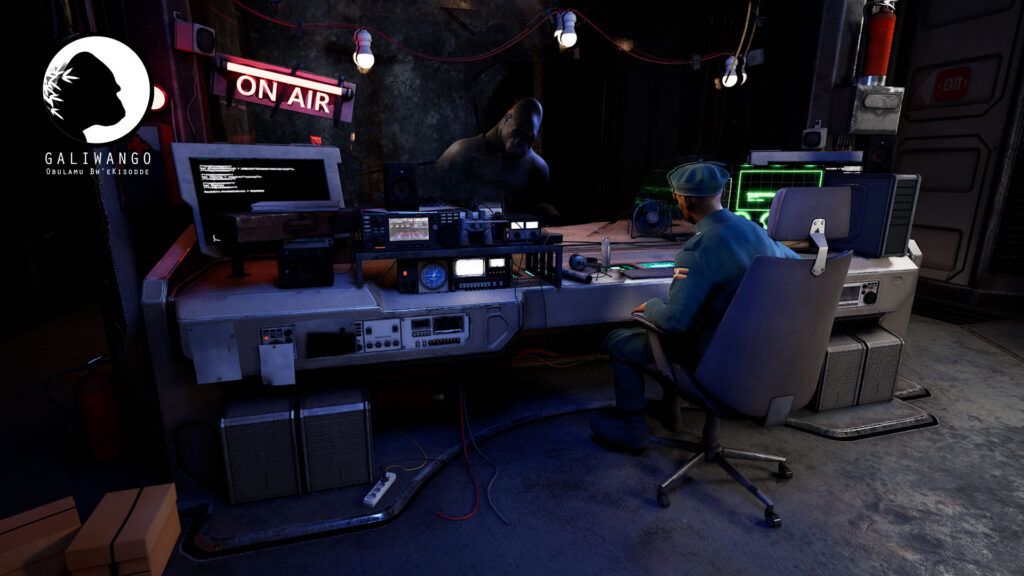
In 2009, after more than a decade building skills across 3D modeling, character animation, concept art, and motion capture, Solomon W. Jagwe reached a turning point. After graduating from college in the D.C. area, he had been working for defense contractors, creating specialized game content for the U.S. Department of Defense. The work was steady, technical, and demanding. But there was a story he needed to tell.
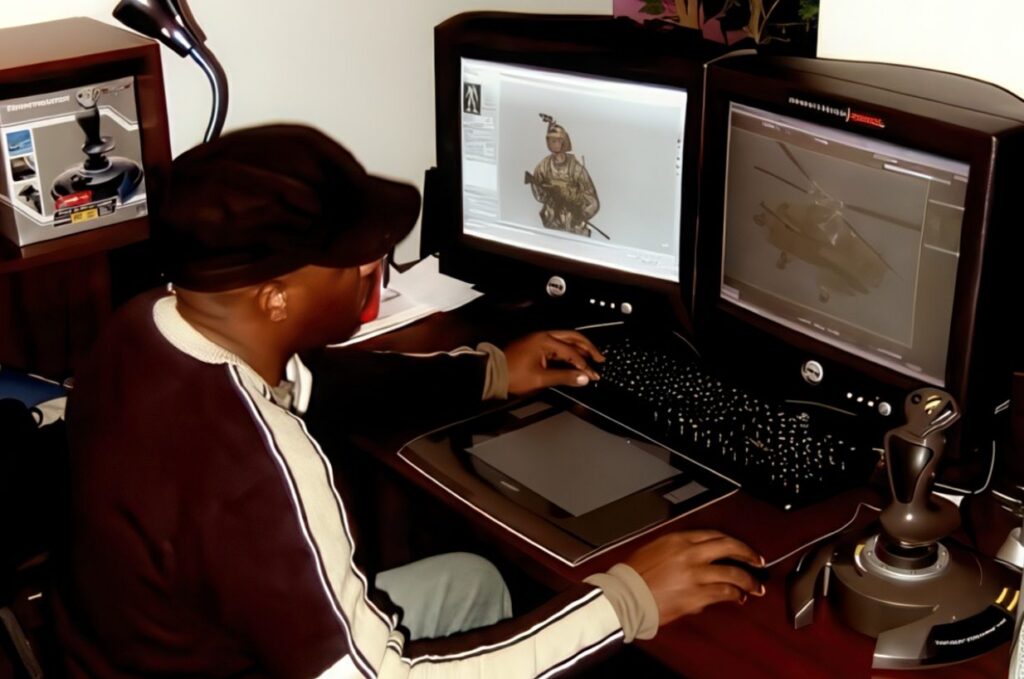
Originally from Uganda, Jagwe moved to the United States in the late 1990s to attend college. Even as he focused on building a career—developing his craft, gaining experience, and earning a living—he never let go of an idea that had taken root when he left home.
“The idea had been burning inside me, and by that point, I felt like I’d gained enough skill sets to take on that challenge,” he says.
At the center of that idea were mountain gorillas—found only in Uganda, Rwanda, and the Democratic Republic of the Congo, and once among the most endangered species on Earth. In the early 1990s, fewer than 600 remained.
“I was determined to share with the youth in Uganda the importance of conserving them,” Jagwe explains.“Uganda has one of the youngest populations in the world, the demographic is changing rapidly.”
What concerned him most was a growing gap in awareness. “Many rangers were older and passing on,” he says. “I wasn’t sure the younger generation fully understood the risk of losing the mountain gorillas. So I asked myself: How can I tell this story in a way they would connect with?”
The answer came naturally: animation. “Kids love animation,” he says. “I need to tell it in that language.”
In 2009, Jagwe stepped away from his defense work to focus on this passion project—Galiwango, a film rooted in his heritage, shaped by his technical expertise, and driven by a desire to educate and inspire.
Inside Galiwango
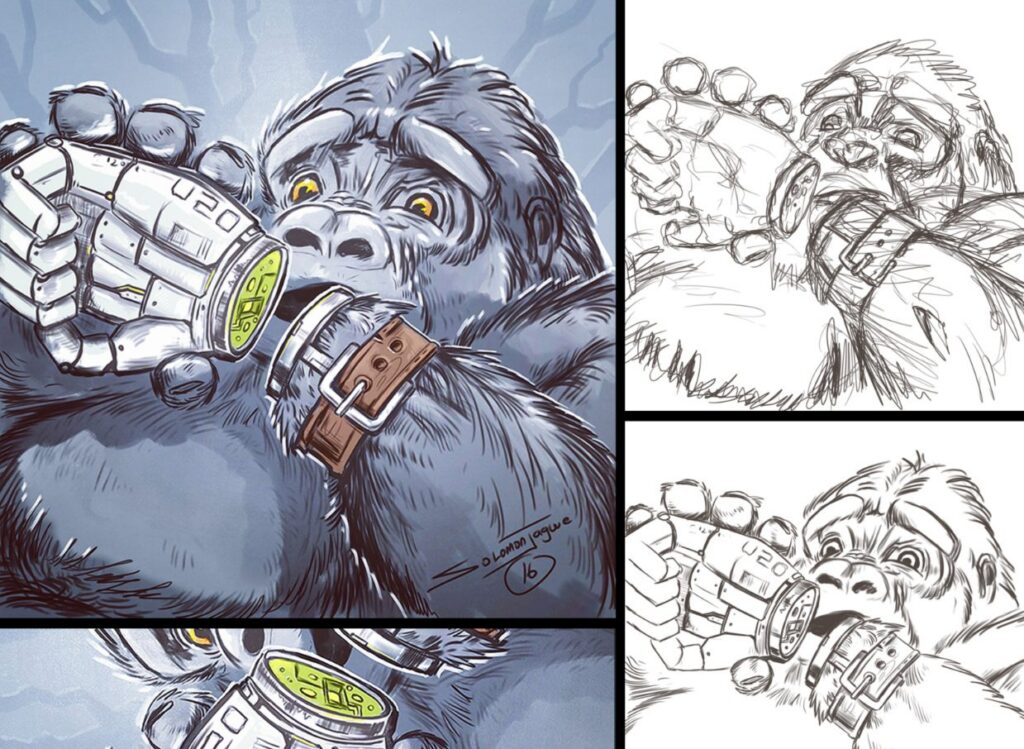
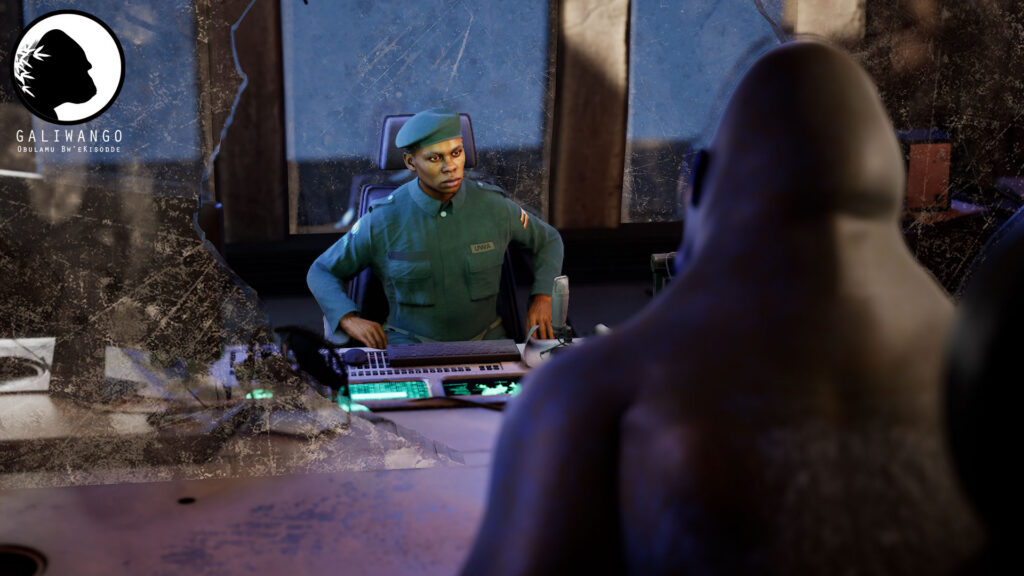
When finished, Galiwango will be a 3D animated fantasy short set in Uganda’s Bwindi Impenetrable Forest. The story follows a former poacher turned wildlife ranger who interviews a talking mountain gorilla about his life, survival, and the fragile balance between humans and wildlife.
Jagwe performs the gorilla—both as a voice actor and through motion capture. “I’m trying to show how wildlife rangers put their lives on the line to protect these animals,” he says.
The story is rooted in his own experiences. “I was tracking gorillas through the forest, working with wildlife rangers, and learning about the threats these animals face,” Jagwe explains. “I kept asking myself, what if these gorillas could tell their own story? What would they say about loss, survival, and the world humans have shaped around them?”
“At its heart, the story is about empathy, accountability, and the possibility of redemption—for both humans and the natural world.”
From the beginning, authenticity was essential. Early in development, Jagwe partnered with the Uganda Wildlife Authority and traveled back to Uganda to conduct research. “They sent me to the forest to immerse myself in the environment,” he recalls. “I did photography, gathered reference, and tried to understand the world I was portraying.”
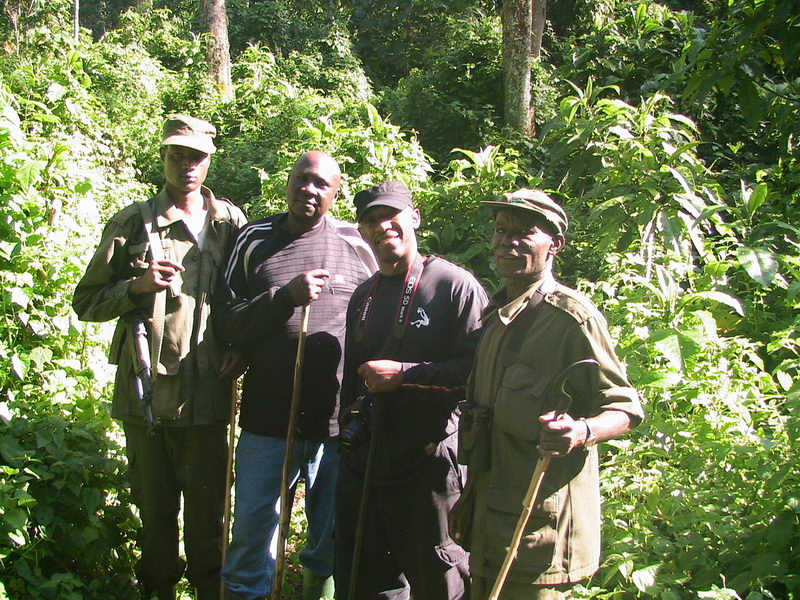
Nature became a storytelling force. “Nature has been my greatest teacher,” he says. “In Galiwango, the forest isn’t just scenery—it’s alive. It shapes the mood, guides the pacing, and mirrors the emotional states of the characters.”
Starting over after loss
By 2011, Jagwe had already invested years into Galiwango. He had built detailed character assets, including a fully realized gorilla model with hair systems in 3ds Max, and was preparing to integrate motion capture workflows using Maya and MotionBuilder.
Then, overnight, all that work disappeared. “Our home was robbed, and my studio was emptied out,” Jagwe says. “I lost my hard drives, computers, and photography equipment—about three years of work.”
“It was heartbreaking,” he recalls. For a time, the project stalled. But Jagwe eventually returned and asked: “Is there technology that can help me get back to where I was faster?”
That search would eventually lead him to Autodesk Flow Studio.
A new pipeline for indie filmmakers
As Jagwe rebuilt Galiwango, he began exploring tools that could help him move faster without sacrificing creative intent. The real shift came as his toolset—and mindset—evolved.
“It reflects my need for freedom and speed in the way I work,” he says. “Maya and 3ds Max give me precision and control. Unreal Engine changed everything by turning storytelling into a real-time process.”
Then came Autodesk Flow Studio. “When I first saw Flow Studio, I was so happy,” Jagwe says. “I started creating content right away—shorts that ended up getting millions of views.”
That real-time feedback loop changed how he worked. “I could see ideas come to life instantly, make creative decisions, and think like a filmmaker instead of waiting on renders.”
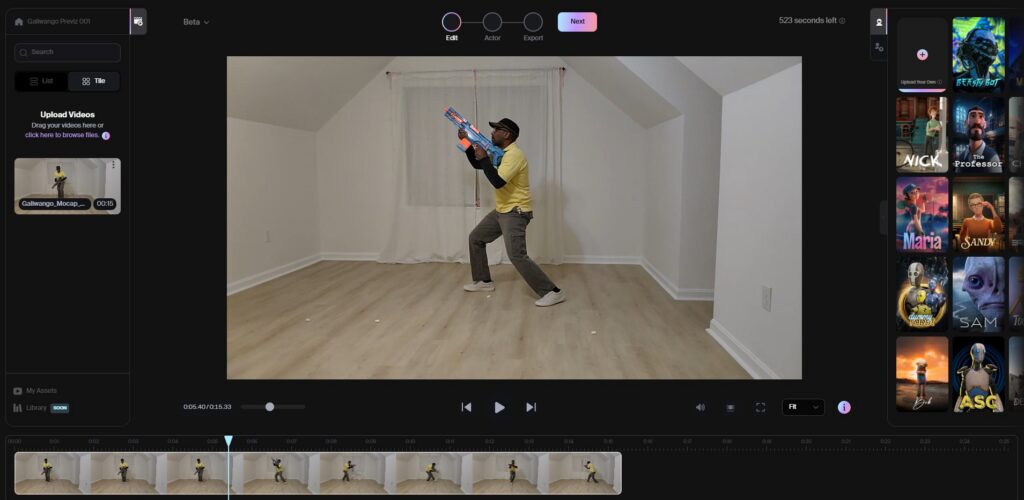
For Jagwe, Flow Studio became a critical bridge between idea and execution—especially as an independent filmmaker without access to a traditional motion capture stage. “It’s a great option for indie filmmakers who don’t own a motion capture suit but have ideas they want to bring to life quickly,” he explains.
More importantly, it changed how he interacts with his ideas. “It keeps me in a true creative flow,” he says. “Instead of stopping to troubleshoot technical roadblocks, I can stay focused on the storytelling itself.”
Flow Studio and a modern production workflow
Today, Jagwe is producing Galiwango using a hybrid pipeline that blends industry-standard tools with AI-assisted workflows.
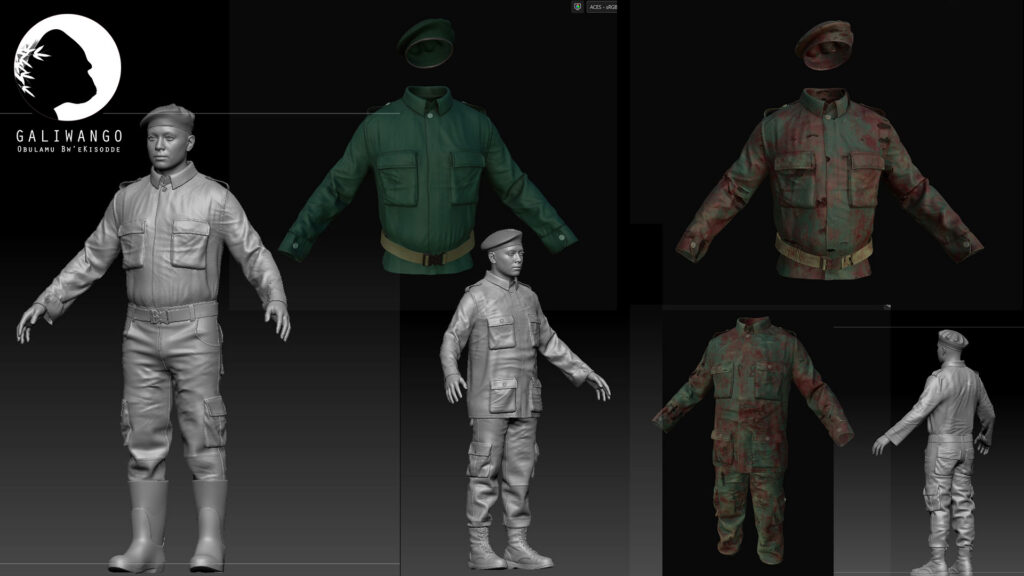
Models are built in Maya and 3ds Max. Flow Studio is used to capture and refine motion from live-action footage. Unreal Engine brings everything together for final lighting, camera work, and rendering.
“I keep the pipeline flexible,” he says. “That way I can test ideas quickly without overcommitting.”
At the center of that pipeline is Flow Studio. “What I love about Flow Studio is that you can upload live-action footage and get multiple outputs—including Unreal Engine and Blender scenes,” he explains. “You can also extract raw motion capture data, which is huge.”
That flexibility allows him to move from previs to final. But for Jagwe, the real value isn’t just technical—it’s creative. “That speed changes everything,” he says. “It lets me experiment, iterate, and make story decisions in real time.”
“What excites me about Flow Studio is that, for the first time, it feels like the technology is catching up to the indie filmmaking journey.”
Building a creative life—and a studio
Throughout the development of Galiwango, Jagwe has balanced client work, personal projects, and family life, while also working as a writer at Moonbug Entertainment from 2021 to 2024 on global children’s programming including CoComelon.
Together with his wife, Nerissa Kim Jagwe, he co-founded Sowl Studios and created The Adventures of Nkoza and Nankya, an animated series designed to teach children about Ugandan culture, language, and geography.
“My wife has been invaluable,” Jagwe says. “She’s worn multiple hats—even stepping into motion capture when I needed a performer.”
Jagwe has built an online presence—sharing tutorials and insights with a global audience on YouTube.
Looking ahead—and giving back
After decades of conservation, mountain gorilla populations have rebounded, now exceeding 1,000 individuals—the only great ape species with a growing population.
For Jagwe, Galiwango is both a celebration of that progress and a call to sustain it. “I hope audiences walk away with empathy—for the gorillas, for the people connected to them, and for the environment they all share,” he says.
He also hopes the project inspires other creators. “You don’t need massive resources or teams to tell stories that matter,” he says. “You need clarity of purpose, persistence, and the courage to start.”
Now working toward a summer 2026 release and festival run, Jagwe remains focused on impact.
“I’m hoping the process inspires other indie filmmakers,” he says. “People working from home, trying to bring an idea to life.”
For Jagwe, that journey—from idea to execution, from loss to possibility—is the story behind the story.