 Autodesk Media & Entertainment
From Stuart Little to the Spider-Verse films to KPop Demon Hunters, learn how Maya helps artists create performances that resonate with audiences around the globe.
It all started with Stuart Little in 1999. For Sony Pictures Imageworks, the film marked an early turning point in its character pipeline, as the studio used a prerelease version of Autodesk Maya to build Stuart’s modeling, rigging and cloth systems. This was a difficult technical challenge at the time, but it helped establish Maya as a core platform for character work in future animated and visual effects projects. “It really started our path of using Maya as our character platform,” said Imageworks Chief Technology Officer Mike Ford.
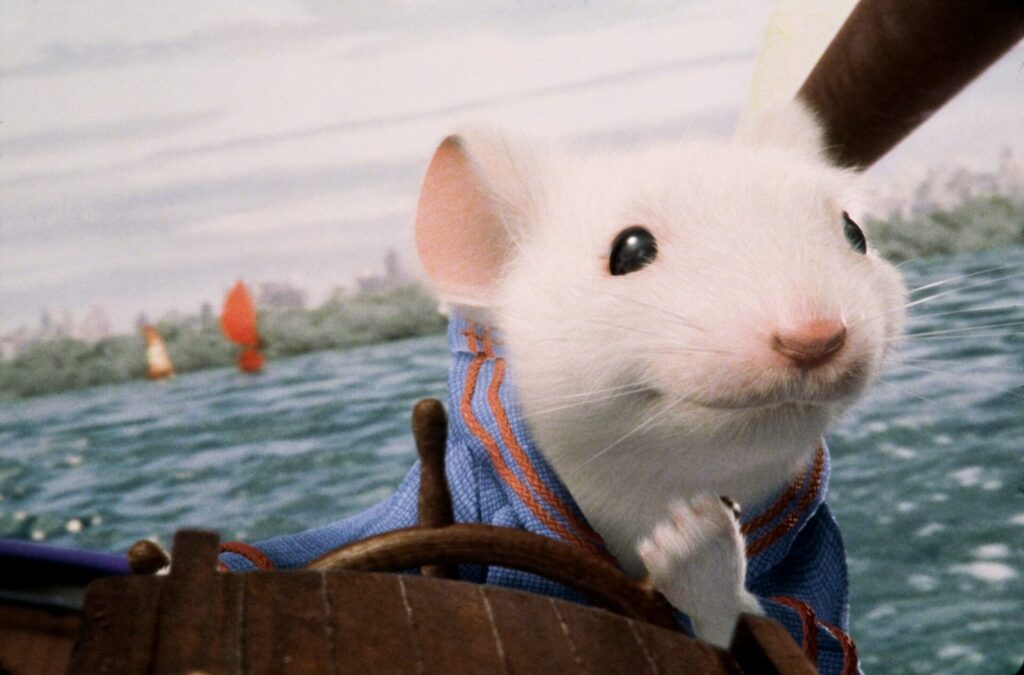
The 1999 Sony Pictures release was more than a technical milestone for Imageworks. Stuart Little became a worldwide commercial hit, grossing more than $300 million and helping to launch a family-film franchise for the studio.

Turning “impossible” 2D drawings into 3D performances
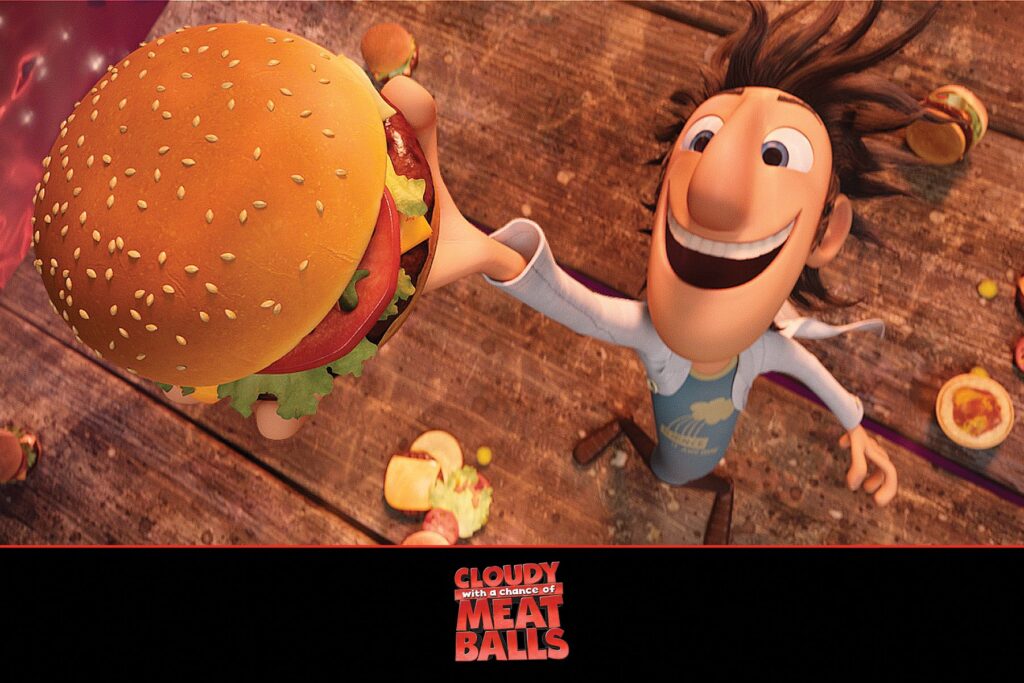
That early foundation carried over into films where the artistic demands became far more extreme. On Cloudy with a Chance of Meatballs, Imageworks had to translate the oddball charm of Flint Lockwood’s 2D design into a fully dimensional character that could still match the drawings’ exaggerated shapes. His tubelike arms, oversize hands, wild hair, and unusually flexible face created deceptively complex modeling and rigging challenges, including fitting his massive eyes into his narrow head and pushing his mouth shapes far beyond those of a conventional 3D character.
Those challenges helped set the stage for Hotel Transylvania, where director Genndy Tartakovsky pushed the team to make 3D animation behave more like his drawings. Rather than building every possible extreme into the rig, Imageworks built a system called “tweaks” that utilizes Maya deformers, clusters, sculpts, lattices, and blend shapes to let animators reshape characters shot by shot and frame by frame. As Ford put it, Tartakovsky looked at 3D animation and essentially said, “Let’s go figure out how to break it.”
The result was a workflow that gave animators more freedom to chase a specific silhouette, pose, or performance, even when that meant bending the character far beyond its default capabilities.
How Spider-Punk turned animation timing into character design
That same drive to make 3D animation feel less bound by convention reached another level with Hobie Brown, also known as Spider-Punk, in Spider-Man: Across the Spider-Verse. Designed as an anarchic character from a world inspired by 1970s and ’80s punk-rock magazine art, Hobie’s look combined degraded photocopy textures, physical-media collage, messy ink lines, and a cutout silhouette that constantly shifted with his movement.
“Our artists at Sony Pictures Imageworks created seven unique render scripts for Hobie that changed based on acting and story beats,” Ford said.
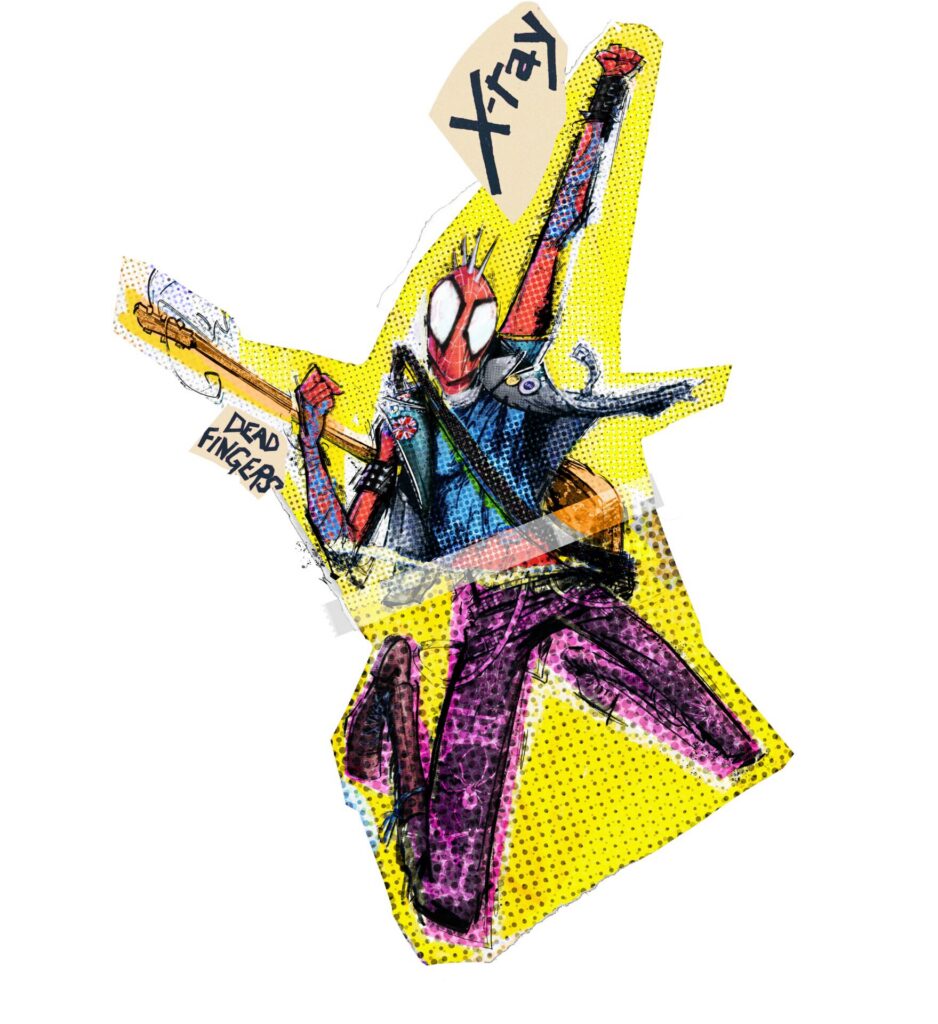
Those specialized looks required close collaboration across modeling, rigging, animation, look development, and effects. The effects team created sketch lines that could redraw dynamically around Hobie’s motion, while animators reinforced his unpredictable DIY energy through offset frame rates within the character’s silhouette. Hobie’s body might move on twos and threes, his jacket on fours, and his guitar on sixes, creating the feeling of a handmade animated collage. To manage those layers, Imageworks developed a tool called StepSets, which allowed animation and downstream departments to manage unique frame rates for different parts of the character. Ford said the work reflected the creative ambition of filmmakers who kept pushing the studio beyond the expected: “They’re not satisfied with normal.”
Bringing anime visual gags into 3D for KPop Demon Hunters
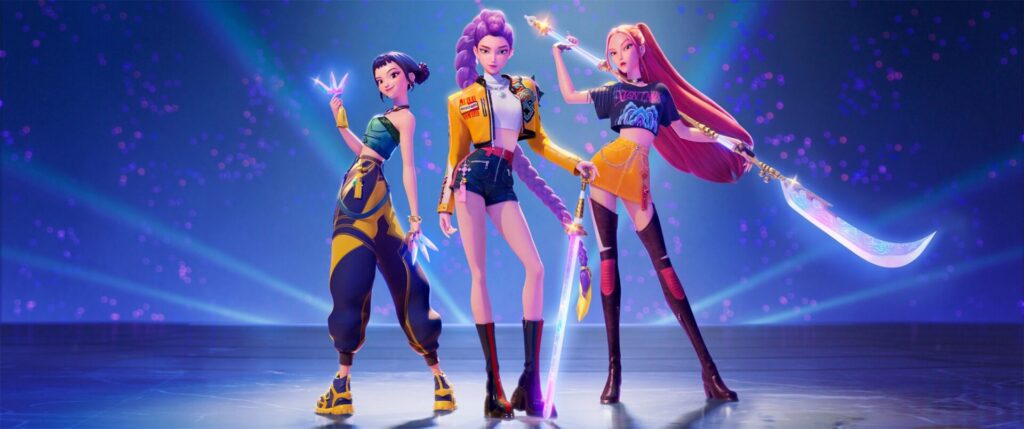
Imageworks’ most recent example of that constant evolution came with KPop Demon Hunters, which pushed the studio to translate anime-inspired visual language into 3D. The film’s characters needed to move between more naturalistic performance and highly exaggerated “chibi” forms, complete with oversize mouths, facial symbols, rapid pose changes, and visual gags.
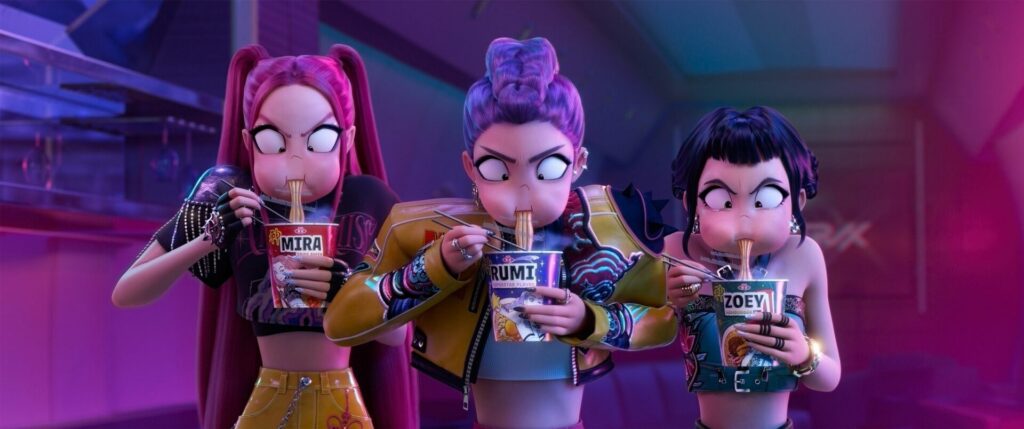
Ford described the chibi look as one of the production’s biggest animation challenges. In anime, he explained, characters can pop in and out of an exaggerated chibi form for comic or emotional effect. “It’s really exaggerated. It’s really crazy,” Ford said.
To make that work, the team built separate mouth and facial elements that could sit atop the standard face, giving animators direct control over expressions that would normally belong to 2D anime. The production also demanded a high level of design specificity, from fashion-inspired costumes and battle looks to makeup variations, manicures, and versions of the characters without makeup. According to Ford, the team modeled 20 outfits for each lead character and specifically created 75 variations for Rumi, with designs that referenced a high level of fashion and crafted details.
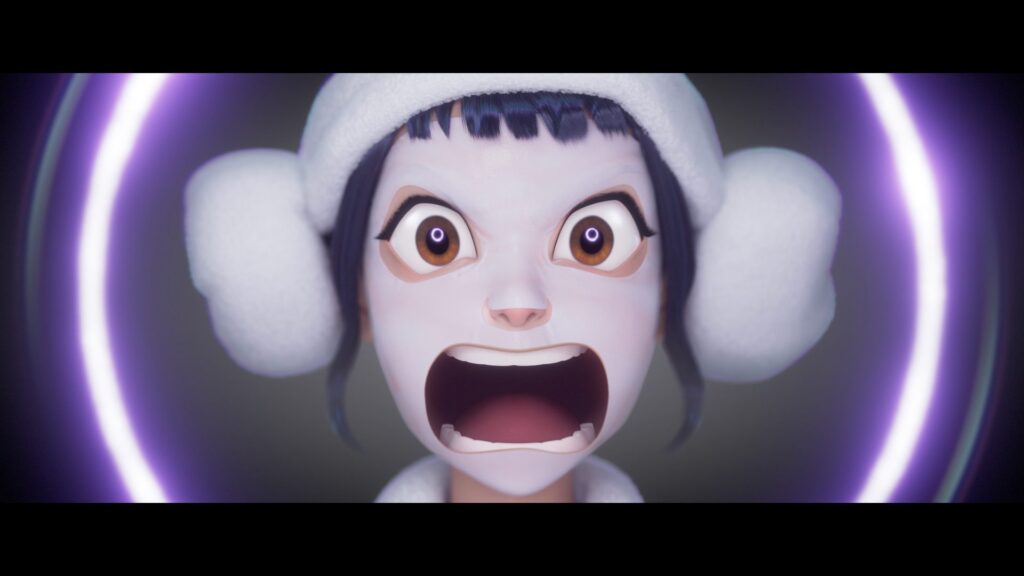
For Imageworks, the larger story was how each film builds on the last, turning previous technical breakthroughs into the foundation for the next creative challenge. “We never sort of look at anything new and say, there’s no way we can’t do that,” Ford said. For Imageworks, that mindset is what keeps the work moving forward, not limiting our creative partners to a single house style but continually expanding what new challenges 3D animation can take on.