 Autodesk Media & Entertainment
Hear from GOBELINS Paris, Wētā FX, and Autodesk about how AI is changing day-to-day workflows while the magic of animation and storytelling remains inherently human.
AI is reshaping animation, from the tools artists use to the creative decisions studios make and the guidelines that define responsible adoption. As AI becomes part of the production pipeline, a bigger question is emerging: Who decides what “AI done right” looks like? Technology companies, standards boards, studios, educators, and artists each bring different priorities to the conversation.
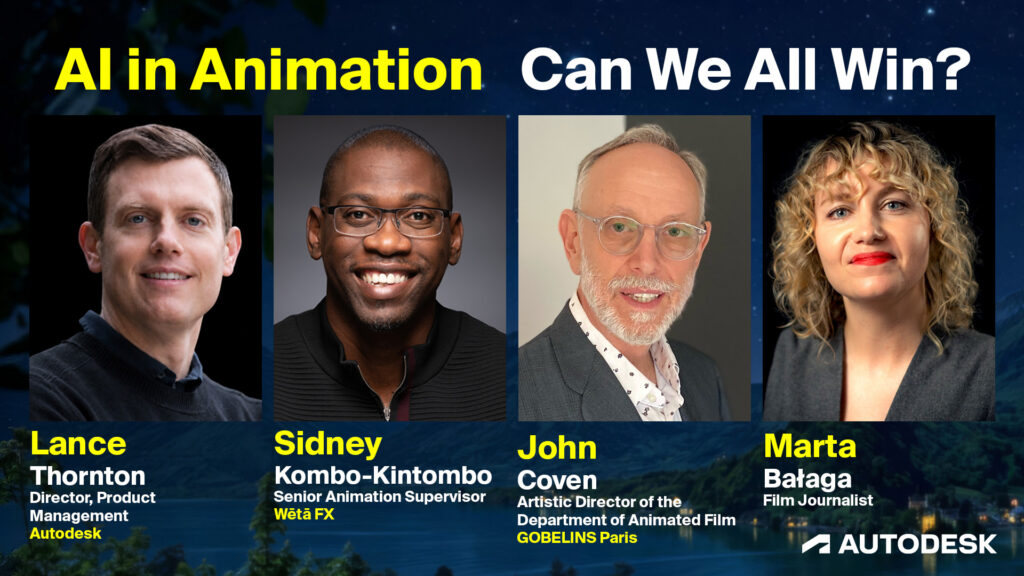
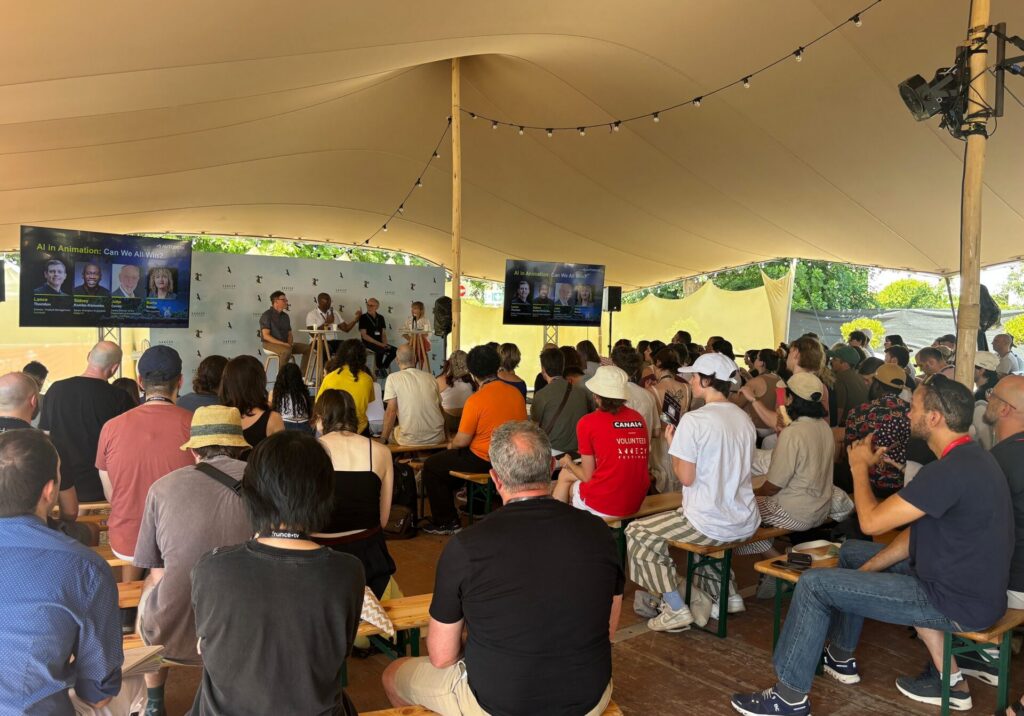
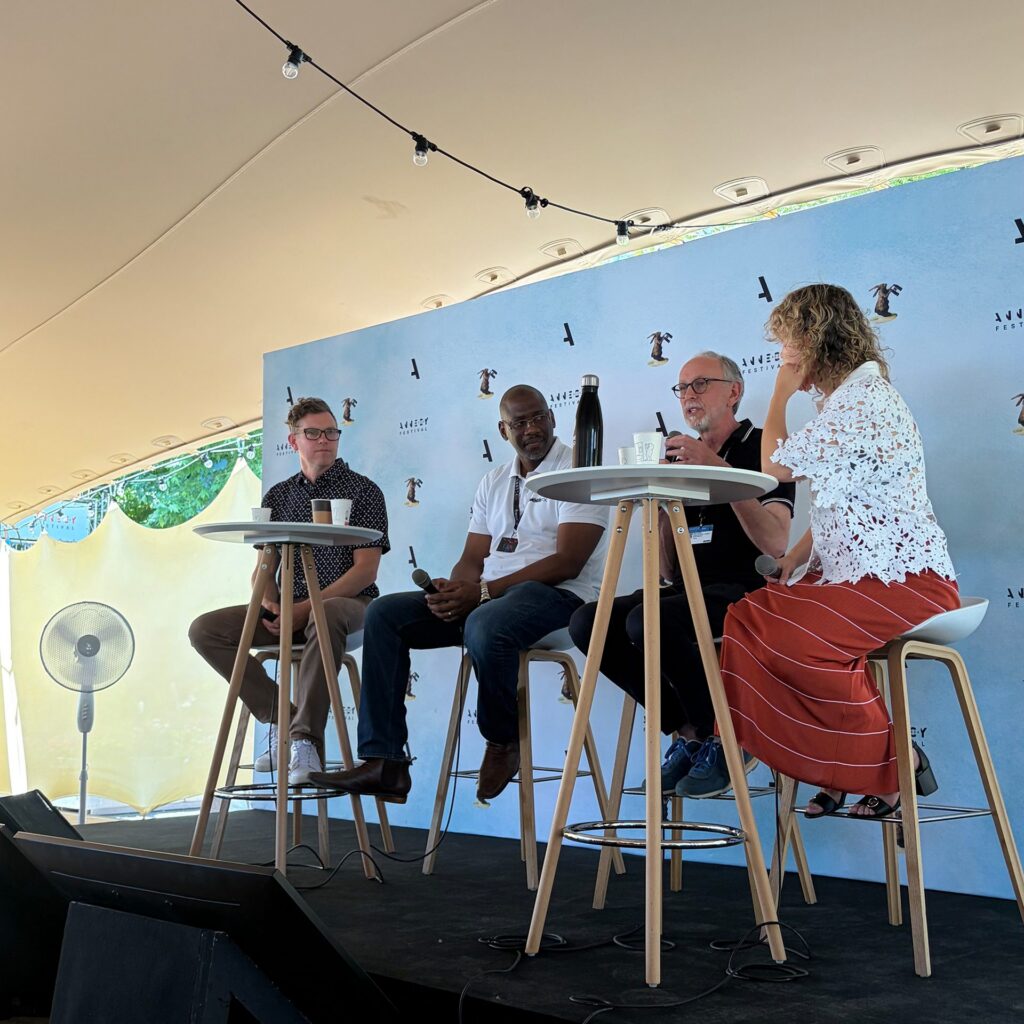
At Annecy International Animation Film Festival & Market, professionals from across the animation ecosystem took the stage to answer the question: Lance Thornton, director, product management at Autodesk; Sidney Kombo-Kintombo, senior animation supervisor at Wētā FX; and John Coven, artistic director of the Department of Animated Film at GOBELINS Paris. Moderated by Marta Bałaga, the panel explores how technology leaders, working artists, and educators view AI’s role in animation today and what it will take to shape its responsible use in the future.
AI enabling creators to do “more”
Thornton framed Autodesk’s approach to AI around a simple-yet-optimistic idea: It should enable more people to create. Rather than seeing AI as a zero-sum shift that takes work away from artists, he said he views it as a way to expand the creative field.
“I don’t think we’re carving a pie, and AI is taking more of the pie, and the artists have less of it,” Thornton said. “I think the pie gets bigger.”
For Thornton, one of AI’s clearest opportunities is lowering the barrier to entry. Creative tools can be powerful yet complex, making it difficult for people to turn an idea or vision into something tangible. Used well, he said, AI can help reduce that friction and enable more creativity.
He pointed to Autodesk Flow Studio as an example of how that philosophy is beginning to take shape. The platform integrates multiple AI-driven capabilities, like being able to generate editable mocap data, camera tracking, character passes, clean plates and full 3D scenes from live-action footage. Those results can then be moved into a traditional Maya workflow for further cleanup and refinement.
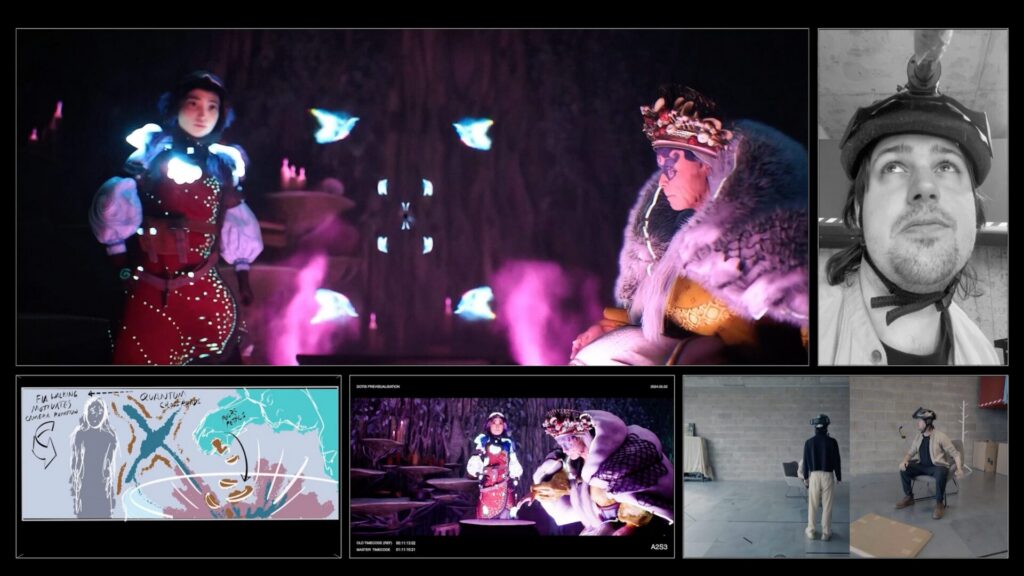
But Thornton emphasized that the creative center of the process remains with the artist, not the AI model. He said the goal is to automate some of the more tedious parts of production so artists can spend more time on the creative decisions that matter.
Overcoming industry fears
Coven approached the question from an educator’s perspective, acknowledging both AI’s promise and the unease it raises. Like Thornton, he noted that making art often involves a great deal of tedious, repetitive labor, work that may not be visible in the romanticized version of the creative process. “The great hope of AI is that it will eliminate that tedium,” Coven said.
For experienced artists and creators, he said, AI could be a powerful asset. It could make it easier to experiment, move faster, and generate more iterations of an idea. But Coven said his concern is less about the artists already at the top of the field and more about young people trying to enter it.
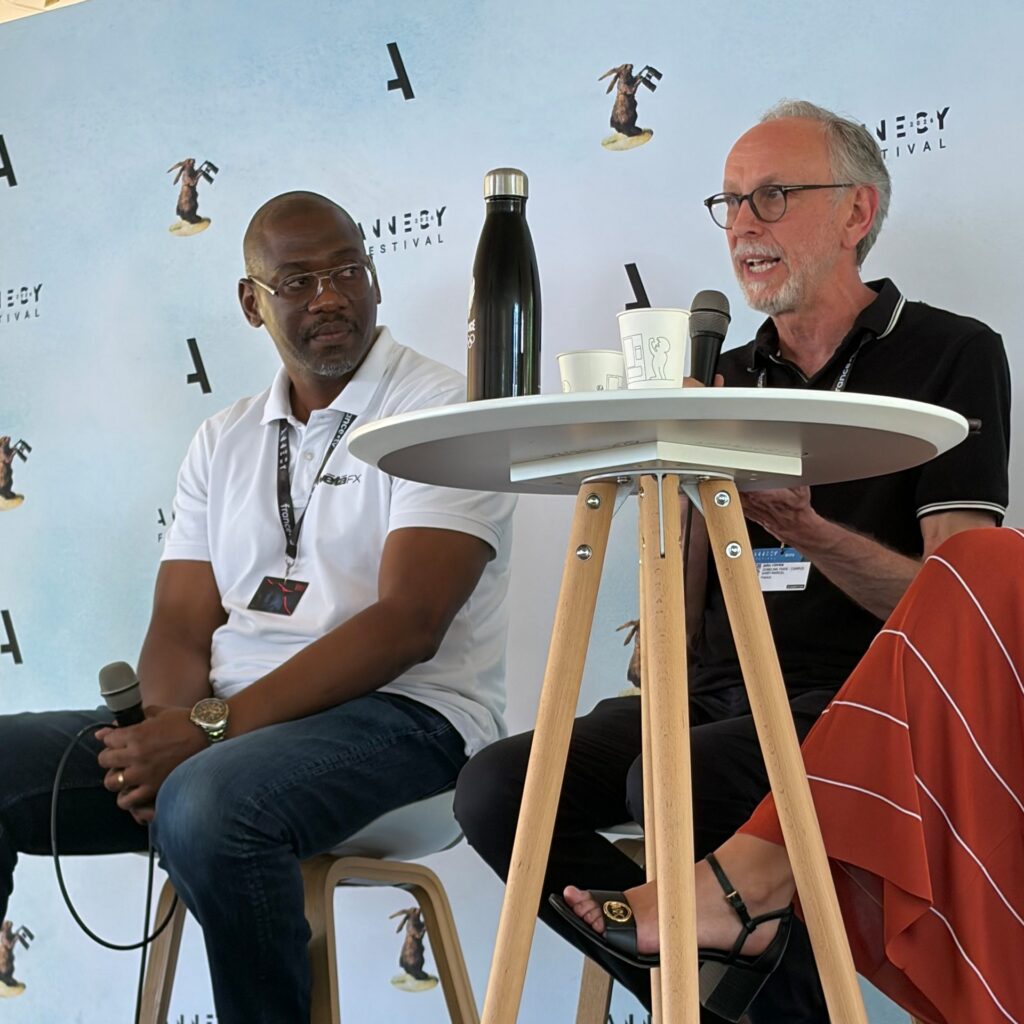
“You know, my concern is how do we take care of the young artists that are coming into the industry and give them a way to find mentors and have that human connection to people in their studio and be able to move up to become the creators,” Coven said.
Kombo added another layer to the conversation, focusing on the role that difficulty plays in learning a craft. The early struggle of making work, the trial and error, the repetition, and the slow process of understanding how an image comes together are not just obstacles, he said. They are part of how artists absorb the craft and become part of a creative tradition.
“I think AI gets you very quickly to a final result, skipping the need that you have to learn about the steps that you have to take to get there,” Kombo said. “And it’s not to say that we need to be scared of it or happy with it.”
In that sense, Kombo said, AI may give more people access to realizing their creative vision. But access alone does not automatically make someone an artist. The ability to generate an image from a few lines of text is not the same as understanding the choices, discipline, and skill behind the work. That distinction is one of the deeper philosophical questions the animation industry now must confront.
The industry is always advancing
Kombo emphasized that the goal is not to reject technological progress. He said that fighting technological advancement is ultimately unproductive. Instead, artists, studios, and educators need to understand how new tools can support better workflows and improve the way creative work is made.
For Kombo, AI is part of the animation industry’s ongoing evolution. Just as the tools artists use have changed dramatically over time, AI is now becoming part of the ecosystem. That makes it important for students and professional teams to understand what the technology can do, how it can be used, and where its limits lie. But he also stressed that the purpose of animation has not changed. Whatever tools enter the pipeline, artists are still trying to connect with an audience.
Thornton agreed, noting that technological evolution has always been part of animation’s DNA. From Disney’s multiplane camera to CAPS (Computer Animation Production System), 3D animation, and other major production advances, the industry has repeatedly embraced new techniques that expand visual storytelling. New technology can enable richer visuals, greater complexity, and new ways of telling stories, Thornton said. But the fundamentals remain the same: a performance still has to resonate, and the work still has to reach an audience emotionally.
Living through disruption
Kombo said he encourages young artists to see AI in the context of a much longer history of creative disruption. Every generation of artists, he noted, has had to respond to major changes in how work is made, shared, and understood. Each shift requires adjustment, flexibility, and a continued commitment to the craft. From painting on walls to drawing on paper to the many technological advances that followed, new tools have often sparked fears that art itself was under threat. But artists have continued to adapt. For Kombo, that resilience is central to the creative life.
What matters most, he said, is that artists remain focused on expression and on finding ways to share their own ideas and help others tell their stories. Technological change may feel unsettling at first, but it has often helped the animation industry evolve.
That does not mean the industry can move forward carelessly. Kombo said AI needs to be organized and adopted thoughtfully, with attention to the people it may affect. But with the right guardrails, he sees technological progress as something that can ultimately strengthen the field rather than diminish it.
Preparing for a future that is still in flux
Looking ahead, Thornton said he sees AI as a means to an end. It’s a new set of tools that could help more people express themselves in ways that were previously out of reach. His hope is that the next generation of artists will use these technologies not simply to work faster, but to discover new forms of creative expression. He pointed to small teams using emerging production tools to achieve work at a level that once required far larger resources. For Thornton, that is the real promise of technological change: giving more creators the ability to bring their ideas to life.
Kombo closed on a more philosophical note. For him, the future of AI in animation should not be framed only as a conversation about tools and systems. It should remain a storytelling conversation. The danger, he said, is that the industry becomes too focused on the most polished image or the most impressive technical result, while losing sight of whether the story itself still matters.
“What I think comes with that is the fact that we love the idea of shortcuts,” Kombo continues. “But everything that we have done has been through struggles. I’m just hoping that we are not building tools that will convince us that the struggle is not important.”
Ultimately, Kombo said, what he hopes will endure is the need to learn from others, hear new stories, and connect with the human meaning behind the work, regardless of what the final image looks like.
“I hope that it’s a certain democratization of more people being able to participate in making art at whatever level, because art is important,” Coven said. “It is a fundamentally human urge to make art, to tell stories, to say, I was here. If AI can help that and not hurt that, then it’s a success story.”