 Autodesk Media & Entertainment
What if, instead of simply generating an image of a space, you could step inside it, find the right camera angle, shape its visual identity, and decide how an audience moves through it?
That question sits at the heart of UMBRAL, a cinematic architectural visualization experiment by Didier Ramírez, created using 3D Editor + Canvas in Autodesk Flow Studio.
Ramírez set out to imagine a contemporary Mediterranean home and build a short visual story around it. But he wasn’t interested in simply generating a collection of beautiful architectural images. He wanted to explore the space, direct the camera, develop its visual language, and ultimately give it movement.
His approach was simple:
Generate a place. Explore it. Decide how to photograph it. Turn it into atmosphere.
Building an environment, not just an image
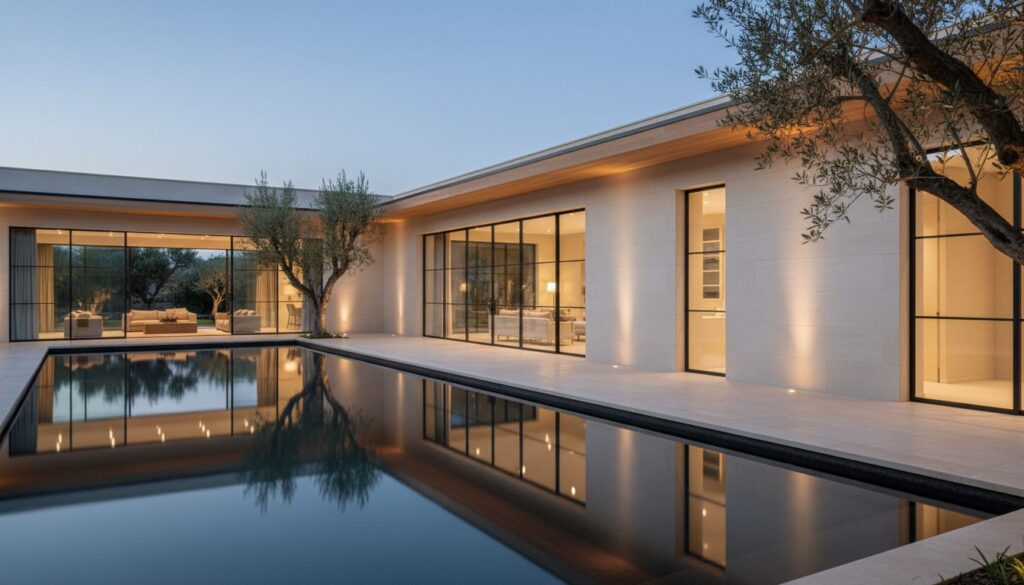
UMBRAL began with a prompt for a contemporary Mediterranean home organized around a central courtyard.
For Ramírez, the generated result wasn’t meant to be a finished image. It was a place to begin exploring: a 3D environment that could become the setting for a small architectural narrative.
That opened up a different set of creative questions.
Where should the viewer enter? What should be revealed first? Which perspectives best capture the relationship between the courtyard, interior, and exterior?
And, perhaps most importantly: Where should the camera go?
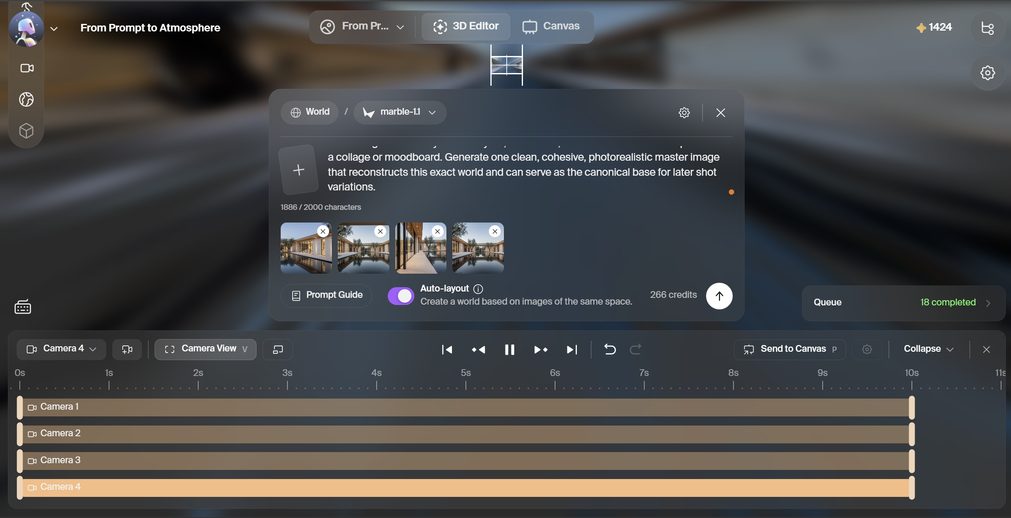
Finding the shot in 3D Editor
Ramírez used 3D Editor to move through the architecture and search for those answers.
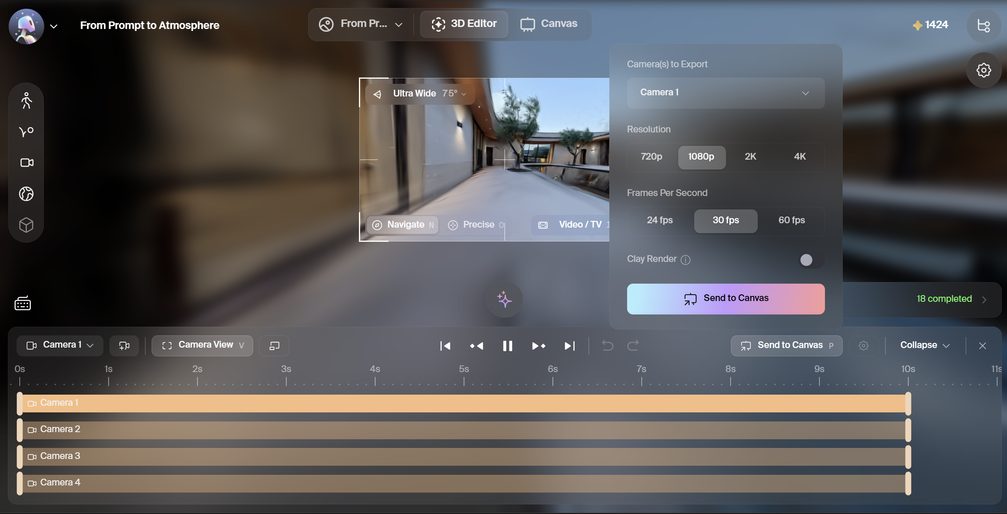
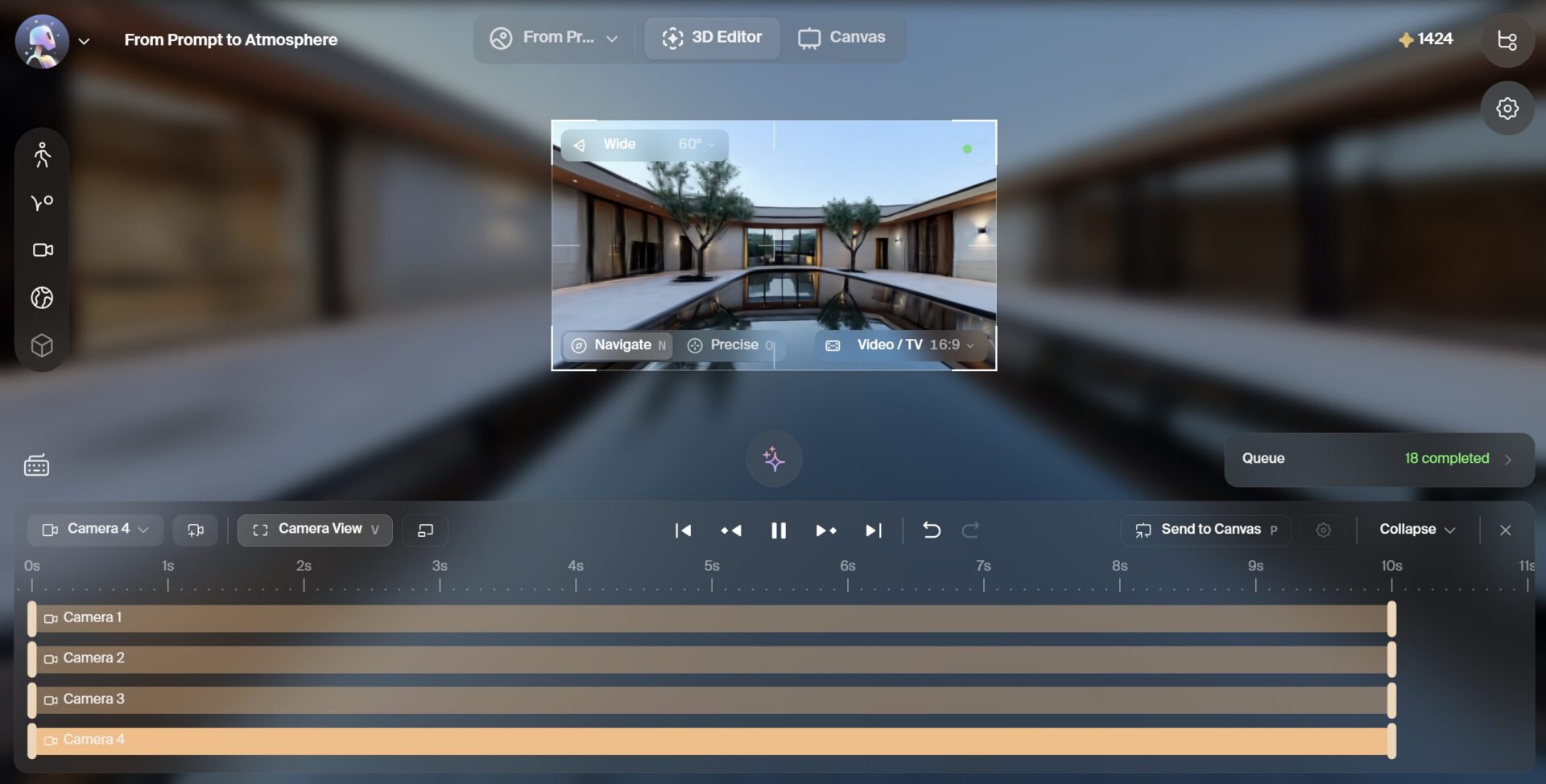
The process began to feel closer to cinematography than traditional architectural visualization. Instead of producing one view after another, he could explore the environment and look for shots: an exterior view that establishes the home, an approach toward the building, a passage across the courtyard, or an architectural detail that gradually reveals what lies beyond it.
From there, he worked with framing, focal length, composition, and camera movement, thinking about what each shot contributed to the sequence as a whole.
Some establish the architecture from a distance. Others draw the viewer closer, cross the courtyard, or explore the transition between inside and outside.
The architecture was no longer simply the subject. It became the set.
Shaping the atmosphere in Canvas
With the shots taking shape, Ramírez turned his attention to how UMBRAL should feel.
In Canvas, he developed a visual language around a deliberately restrained palette: light stone, wood, glass, water, and Mediterranean vegetation, with warm interior lighting against the cooler tones of blue hour.
Using references and image generation, Ramírez explored that visual identity across different points of view, looking for a sense of continuity between shots.
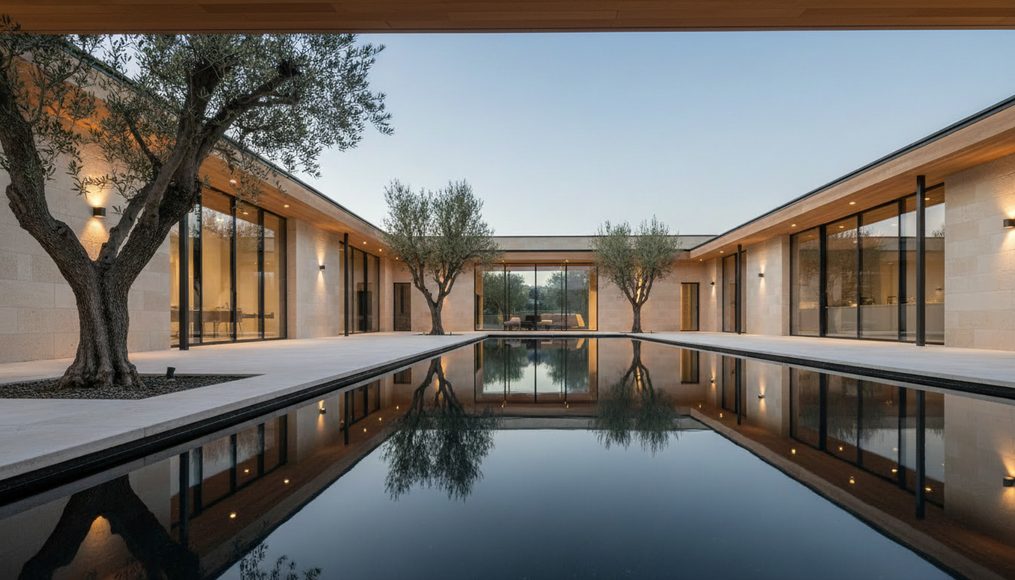
This is where the environment began to become something more than geometry.
Stone caught the changing light. Glass introduced reflections. Water added depth and movement. Vegetation softened the architecture, while the contrast between warm interiors and the darkening sky gave the scene a distinct sense of time and place.
Shot by shot, UMBRAL began to develop an atmosphere of its own.
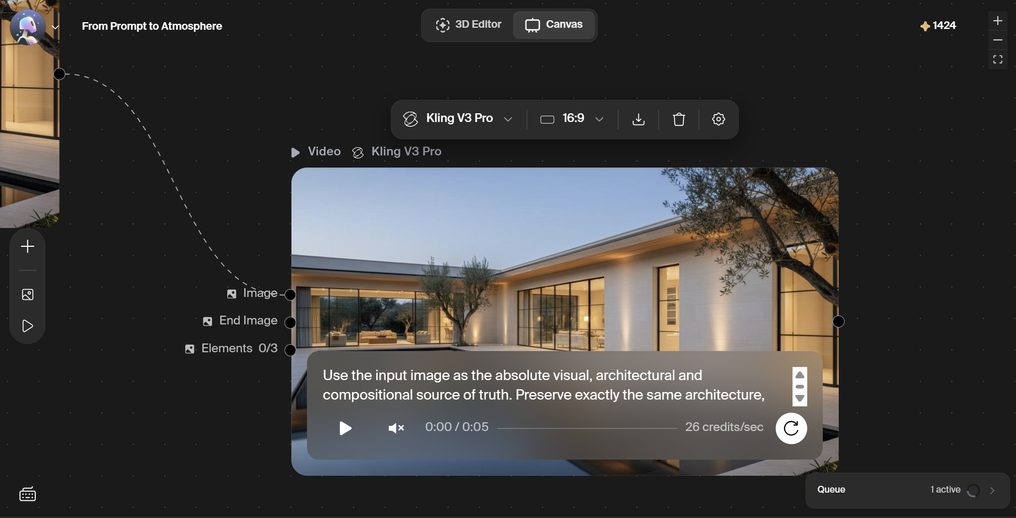
Giving the images movement
With the shots and their visual identity established, Ramírez used video models available in Canvas, like Kling V3 Pro, to bring the imagery into motion.
He deliberately kept that movement contained: dollies, sliders, and subtle push-ins rather than elaborate camera moves that might compete with the architecture.
The idea was to treat movement as an extension of the original composition, maintaining the geometry, framing, reflections, materials, and visual continuity as the camera moved through the space.
It’s a subtle distinction, but an important one for UMBRAL. A still can show us the architecture. Movement can begin to suggest what it might feel like to experience it.
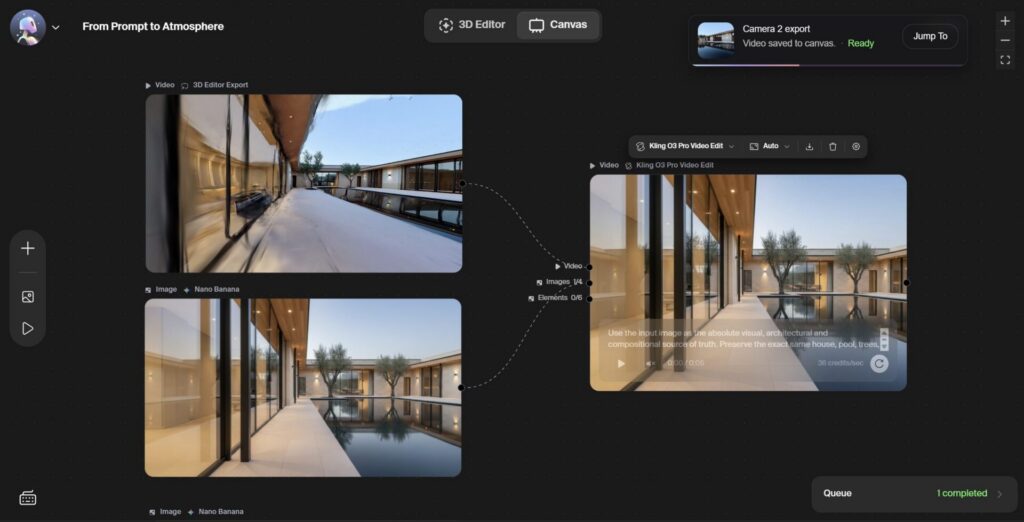
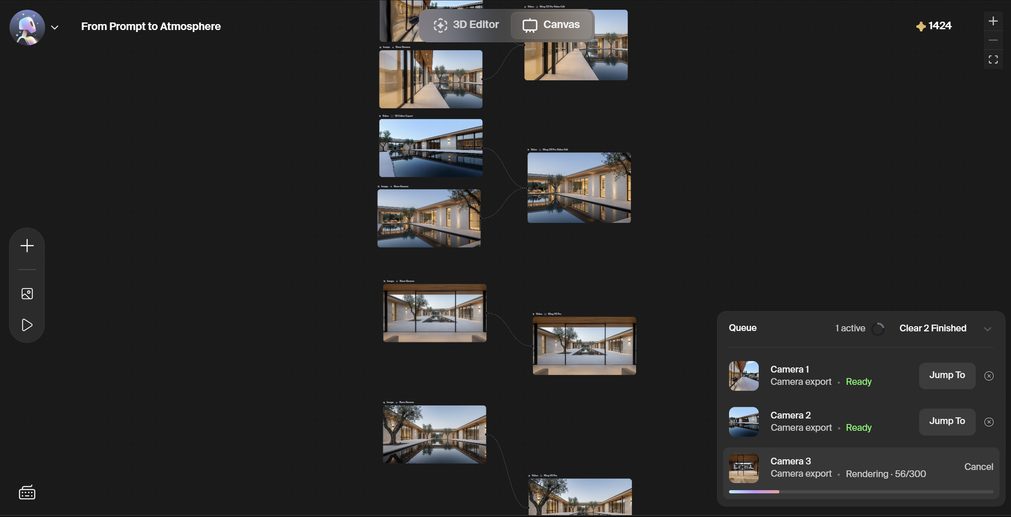
Beyond the generated image
Ramírez’s process for UMBRAL can be distilled into a simple progression:
Prompt. Space. Camera Direction. Visual Development. Movement. Atmosphere.
What interested him was everything that could happen after that first prompt.
The generated environment became something he could explore. Exploration led to decisions about cameras and composition. Those shots became the foundation for visual development, and eventually for movement. At each stage, Ramírez was making choices about not only what the architecture should look like, but how it should be perceived.
That’s what makes UMBRAL an interesting experiment in architectural visualization. AI is part of the process, but the story is ultimately about creative direction: using these tools to move beyond generating images of architecture and toward shaping an experience around it.
It leaves Ramírez’s original experiment with a bigger question: What happens when we use AI not only to imagine spaces, but to direct how those spaces are seen, explored, and experienced?
Want to hear more from Didier? Catch him at Autodesk University 2026 in Las Vegas, September 15–17, where he’ll share more about his AI-powered workflows with the Autodesk community.