 Autodesk Media & Entertainment
The Autodesk Design & Make Awards recognizes the people, projects and technologies behind exceptional contributions to move their industries forward. The program spans architecture, engineering and construction; product design and manufacturing; media and entertainment; and education.
With more than 280 submissions from around the world, this year’s global awards program recognized 52 finalists and 25 winners across all categories. Among them, the Media & Entertainment winners and finalists are pushing creative boundaries, bringing fresh perspectives to the forefront, and making space for more voices and untold stories.
Congratulations to this year’s winners:
- Felipe Fierro
- Friday Sundae
- Inferstudio
- Slay House
- Triggerfish Animation Studio
- WIA (Formerly Women in Animation)
Explore their achievements and get to know the finalists below.
Making creative careers more accessible
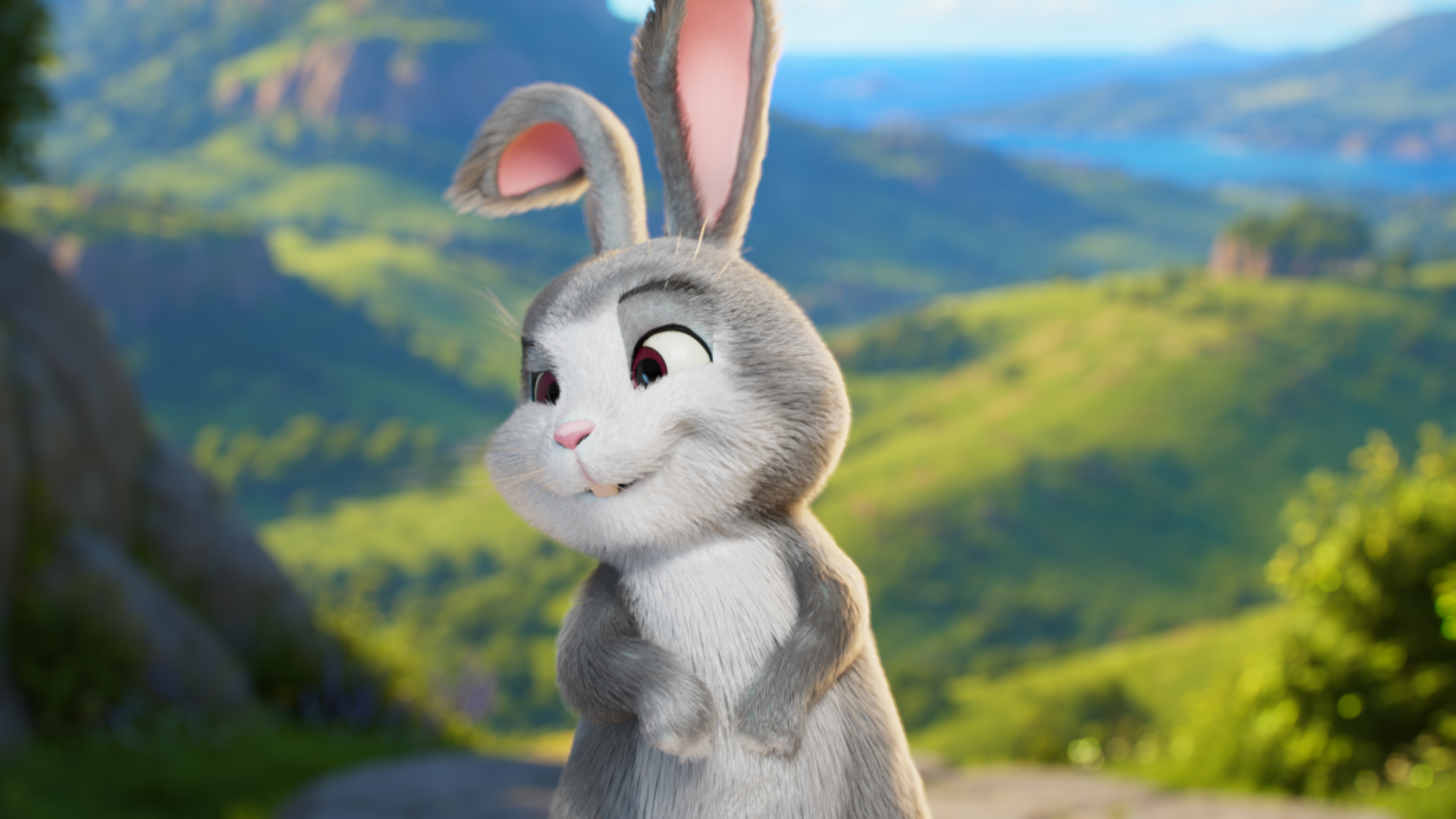
Winner Felipe Fierro, creative director of Pigmalion Animation Studio and a professor in Bogotá, sees access as something that starts with education. In Shark: Learn the Whole Pipeline in Five Hours, beginners use Autodesk Maya to model, texture, rig, animate, light, and render a complete character. The five-hour, project-based class helps students see how each stage fits into a full production pipeline. Felipe extends that work beyond the classroom, collaborating with Colombia’s ministries of Culture and Information and Communications Technologies to bring digital creativity to remote rural communities, including areas affected by armed conflict.
Winner WIA, formerly known as Women in Animation, supports people of underrepresented gender identities throughout the art, technology, production, and business of animation. Its flagship mentorship program connects more than 500 creatives each year with volunteer mentors across writing, directing, producing, editing, storyboarding, and other disciplines. Through practical guidance and industry relationships, the program helps participants build skills and confidence.
Support can come from a community, too. Finalist ASGC (Always Supporting the Games Community) began as a spreadsheet for people affected by layoffs and has grown into a volunteer-powered network with more than 60 free resources and a Discord community of over 20,000. It has helped more than 5,000 people find work in games. Finalist MissTechy addresses a different barrier: confidence. Her Autodesk Flow Studio videos combine education, experimentation, and cinematic storytelling to make emerging tools feel approachable. They have reached millions of viewers and encouraged many to try creating for themselves.
Creating new ways to tell stories
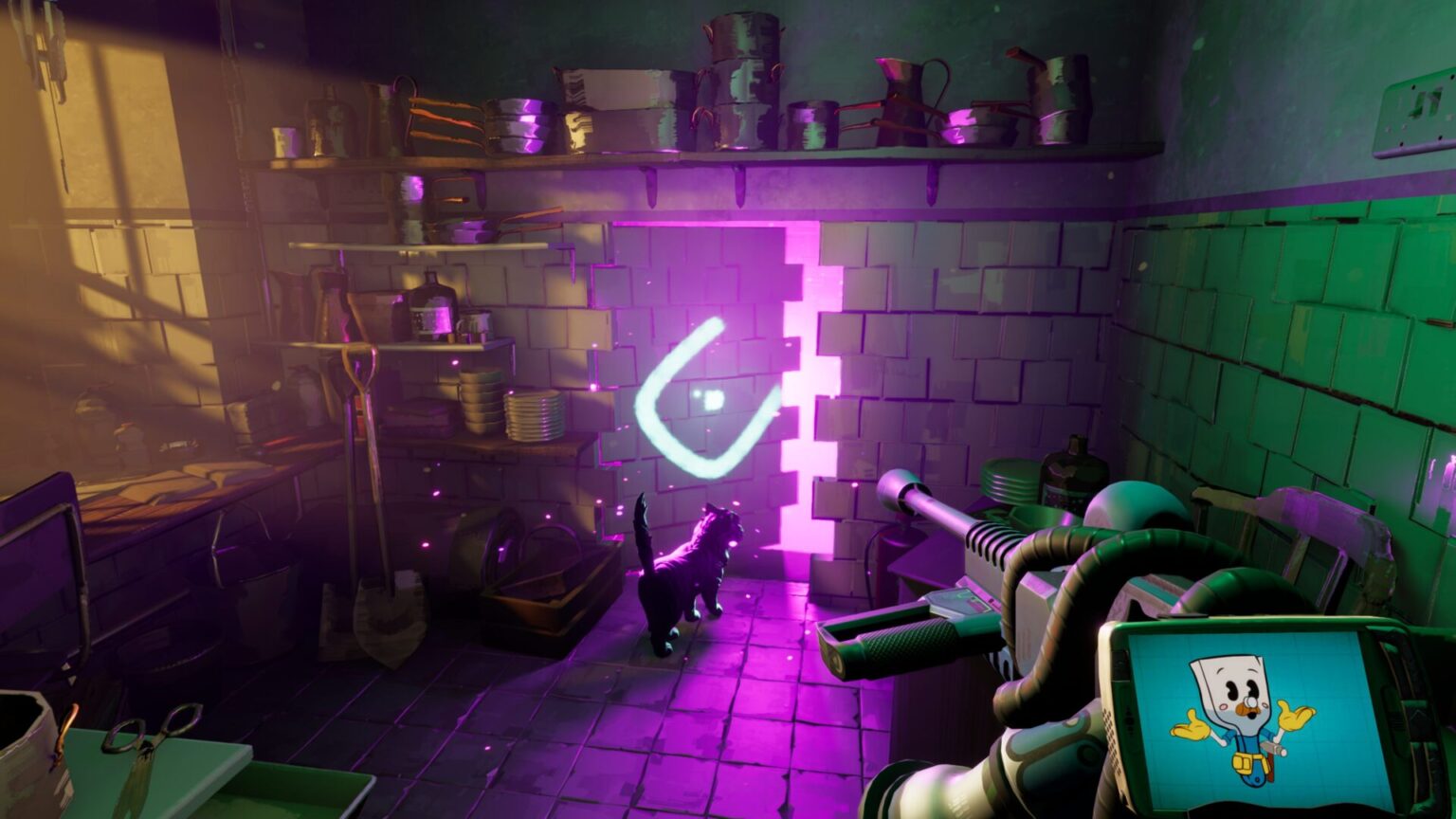
As more people gain access to creative tools, there is more room to experiment with how stories are told. Winner Friday Sundae’s There Are No Ghosts at the Grand is a first-person musical mystery game where character performance, songs, and player interaction sit at the center of the narrative. Using Maya in its character-animation and motion-capture pipeline, the team makes music part of the gameplay, with characters who sing, perform, and react in a world players can explore.
Winner Slay House uses a different format to make emerging technology part of the entertainment. Its Flow Studio project, featuring creator Dani Verdari, introduces auto-rigging and AI-powered 3D animation through original music and cinematic visuals. Rather than pausing for a conventional tutorial, the project invites a new generation of creators to experiment with the tools and workflows for themselves.
Letting production workflows support the art
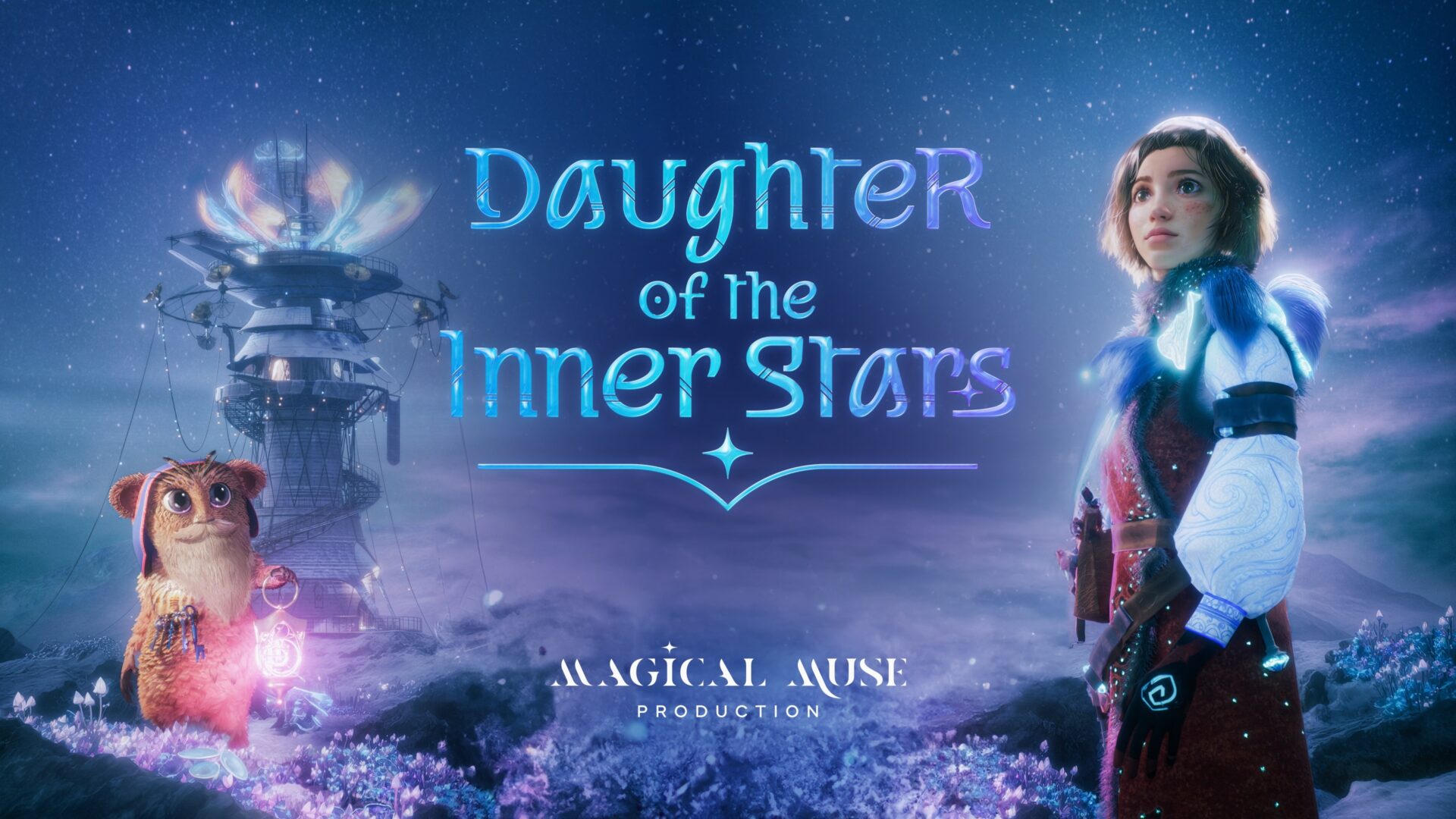
The work audiences see depends, in part, on the systems artists use behind the scenes. Winner Inferstudio used Autodesk Flow Studio’s markerless motion-capture pipeline to support a five-person team creating Daughter of the Inner Stars, a 50-minute symphonic orchestral experience combining live narration, original animation, and a cinematic score by Nicholas Buc. The workflow helped the team develop an expansive world of mythical characters, spacecraft, and imagined architecture.
Winner Triggerfish Animation Studio has built a connected production pipeline around its philosophy of letting artists be artists. Flow Production Tracking, Maya, Arnold, and Bifrost support asset and shot management, publishing, rendering, and review. By streamlining handoffs and keeping review material current, the workflow helps reduce manual work and supports faster iteration and more informed creative decisions.
The finalists bring that production focus to very different projects. Sowl Studios’ Galiwango, directed by Solomon W. Jagwe, follows a former child soldier and poacher who becomes a wildlife ranger protecting mountain gorillas in Uganda. Inspired by research with rangers in Bwindi Impenetrable Forest, the film connects his story with the wider challenges facing local communities and wildlife. Stellar Creative Lab’s project looks at how the studio produced Marvel Zombies, an animated series that places Marvel characters in a stylized horror world. To achieve its distinctive look, the team connected asset creation, animation, lighting, and rendering across a pipeline using Autodesk Maya, Arnold, Flow Production Tracking, and OpenUSD.
From a five-hour animation class to a connected studio pipeline, these projects show creative technology at work in people’s hands. Read the stories behind each project from the 2026 Design & Make Awards Media & Entertainment winners and finalists, and meet the people and teams shaping what comes next. Congratulations to all this year’s winners and finalists!